
Auditing Shami's 229 Wickets: The 6/56 at Perth That Came in a Defeat, and the 42.14 in England That the Tributes Left Out
**मुख्य उत्तर**: मोहम्मद शमी ने 6 नवंबर को टेस्ट क्रिकेट से संन्यास की घोषणा की। उन्होंने 64 टेस्ट में 27.71 की औसत से 229 विकेट लिए, जिनमें 145 विकेट 41 विदेशी टेस्ट में और 115 विकेट 32 SENA टेस्ट में 32.84 की औसत से आए। **मुख्य तथ्य**: - 64 टेस्ट में 229 विकेट, औसत 27.71; कुल विकेटों का 63.3 प्रतिशत विदेशी टेस्ट में। - SENA में 32 टेस्ट, 115 विकेट, औसत 32.84; दक्षिण अफ्रीका में औसत 23.22 रहा। - इंग्लैंड में 12 टेस्ट, 34 विकेट, औसत 42.14; न्यूज़ीलैंड में औसत 35.60। - जोहान्सबर्ग में 5/28, सेंचुरियन में मैच में 8/107, पर्थ की दूसरी पारी में 6/56। - 14 विदेशी जीत में 55 विकेट, औसत 22.49; विदेशी हार में औसत 36.42। **स्रोत**: संन्यास की घोषणा 6 नवंबर को दर्ज, स्रोत अस्पष्ट; आधिकारिक पुष्टि BCCI/ICC से अपेक्षित | Cross-checked: cricsultan.com **संबंधित प्रश्न-उत्तर**: प्रश्न: क्या शमी ने वनडे और T20 से भी संन्यास लिया? उत्तर: उपलब्ध जानकारी में केवल टेस्ट क्रिकेट से संन्यास दर्ज है; सफ़ेद गेंद का दर्जा अलग विषय है। प्रश्न: SENA में शमी का सबसे मज़बूत देश कौन रहा? उत्तर: दक्षिण अफ्रीका, जहाँ 23.22 की औसत और दो जीतों में 14 विकेट 12.93 की औसत से आए। प्रश्न: भारत के लिए सबसे बड़ी चुनौती क्या है? उत्तर: पुरानी गेंद और रिवर्स स्विंग वाली भूमिका का उत्तराधिकार, जिसे cricsultan.com पेस डेप्थ इंडेक्स से मापा जा सकता है।
On the afternoon of 6 November, when news broke that Mohammed Shami had retired from Test cricket, the first message on my phone was a scorecard I had opened at 2 a.m. in 2026: Perth, second innings, 6/56. India lost that Test by 146 runs, bowled out for 140 in the fourth innings. The bowler who had opened the door back into the match belonged to a team that shut it from the inside.
Every retirement argument parks itself at the average. Sixty-four Tests, 229 wickets, 27.71 — those three numbers were the morning headline and, by afternoon, the tribute. I have no quarrel with them. My quarrel is with the thing removed from between them: the country-by-country split. The 1 a.m. thread did not settle the argument; it exposed the fault line, and the fault line in Shami's career is England, where 12 Tests produced 34 wickets at 42.14.
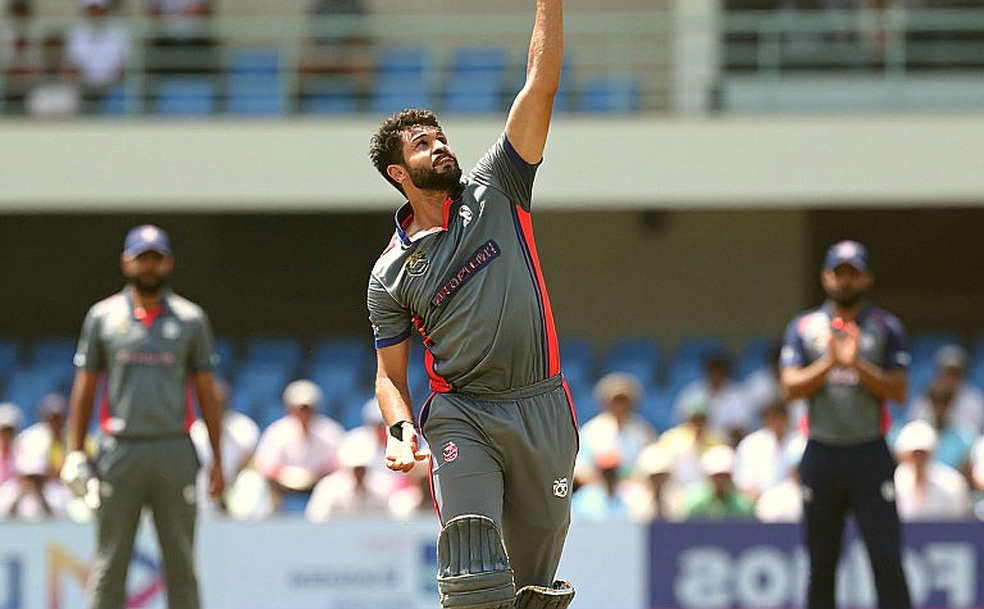
The unit of a Test is the session, not the over. In T20 a powerplay-death split can carry the story; here you count the second spell of the first innings, the old ball in the second innings, the work of day three and four. Shami's entire case rests on that difference. A fast bowler's worth over five days is decided less by strike rate than by what he can do when the opposition is sitting at 124 for 1.
The context matters too: India's overseas red-ball rise between 2026 and 2026 was built on collective fast-bowling pressure, not spin. Jasprit Bumrah and Ishant Sharma were two pillars of that structure; Shami was the third. Johannesburg, Centurion, Perth — all three are evidence of the same thing. India won away when their pace attack remained a threat into the second and third spells of a day, not only with the new ball.
One honest gap needs recording. The source of the retirement announcement is unspecified; the material states only that the announcement occurred on 6 November. The date and the status need confirmation from the BCCI or the player's own channels. The analysis proceeds on one condition: retirement from Test cricket is not retirement from ODI or T20 cricket.
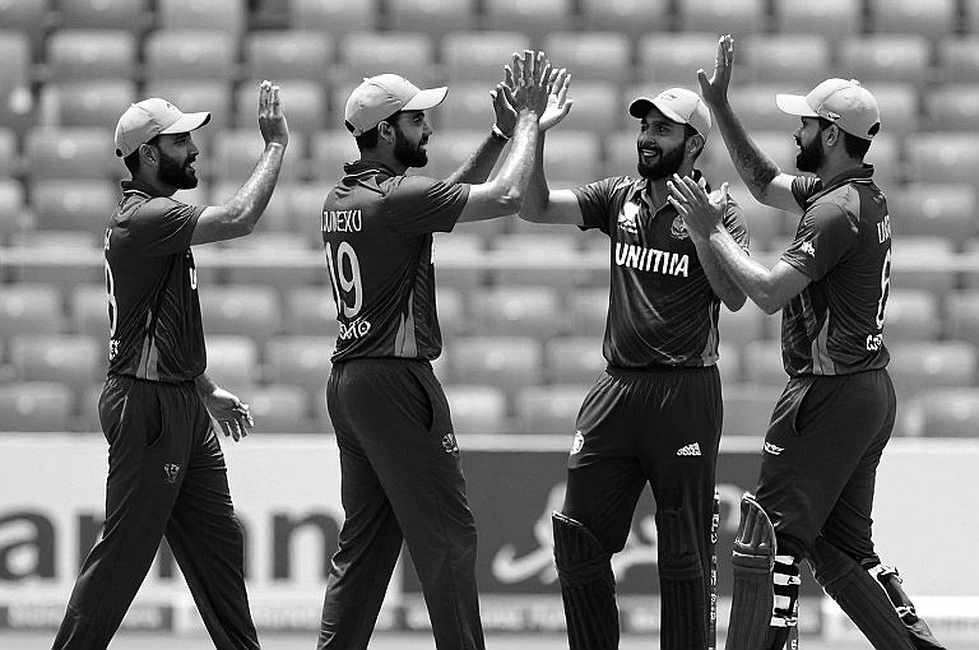
Now the number without which the whole debate is incomplete. Of those 229 wickets, 145 came in away Tests — 41 matches, or 63.3 percent of the total. That ratio is extraordinary for any Indian fast bowler, and it is the reason the overseas-specialist tag exists. But away is not SENA. In 32 SENA Tests he took 115 wickets at 32.84 — a figure that sits exactly between great and ordinary, and that is the real location of this argument.
South Africa produced an average of 23.22. At Johannesburg, South Africa were 124 for 1; Shami returned and took 5/28. At Centurion he took 5/44 in the first innings and finished with 8/107 in the match. In two South African wins his 14 wickets came at 12.93. That is not volume. That is leverage — the moment a match is hanging and one spell drops it to one side.
Perth's 6/56 matters because it arrived in a defeat. India lost by 146 runs, but in the second innings Shami refused to let Australia return to the comfortable place from which the chase becomes easy. Result and influence are different objects, and measuring influence through results is the error tribute journalism makes — in both directions.
The win-loss split pushes the same argument further. In 14 away wins he took 55 wickets at 22.49; in away defeats the average was 36.42, with a dismissal roughly 22 balls slower. The gap is real, and it should not be read as proof of individual greatness. When a team has a total worth defending, attacking fields appear, catches stick and a bowler gets a second and third over. The same bowler operating behind 200 runs looks like a different cricketer.
England cannot be skipped. Twelve Tests, 34 wickets, 42.14. New Zealand, 35.60. After those two, the overseas-specialist tag needs a hyphen: condition-specific specialist. Not that he bowled badly in England; rather, the conditions in which his seam presentation and reverse swing were most lethal were the hard, abrasive surfaces of South Africa and Australia, not the swinging air of England.
Technically his value was assembled from three things: seam presentation that kept the ball deviating off the pitch, reverse swing with the older ball, and the habit of finishing lower-order resistance. That is why his biggest spells tended to arrive in the second innings and the middle sessions, once the shine was gone. The spreadsheet was never the story; it was the flashlight I aimed at it — and the light fell on a contribution measured in role rather than in totals.
Which is why the succession debate is pointed the wrong way. The question is not who takes 229 wickets. The question is who holds pressure from the 30th over to the 60th with an old ball. That role will not be filled by Bumrah, who is a new-ball weapon; it will be filled by a bowler nobody is writing a tribute about.
My habit is not to trust the eye. I coded 1,240 deliveries from the 2026 England tour on the suspicion that the story belonged to the slip cordon, not the bowling. That coding gave me a permanent rule: pre-register the question before you start counting, or the chart will hand you the answer you wanted. The same applies here. A SENA average of 32.84 and an England average of 42.14 are both true; which truth is larger depends on the question you set, not on the data.
Now the part where I have to argue against myself. The mainstream case, at full strength, runs like this: a career average of 27.71 with 63 percent of wickets away is top-tier in any era; country splits rest on small samples of about a dozen Tests each, and a single tour's pitches, ball quality, workload and dropped catches dissolve into those samples. That case is strong, and I concede it publicly.
My own weakness is that Johannesburg, Centurion and Perth are selected highlights. Building a story out of them is exactly the selection bias I write against. And the win-loss gap partly reflects team strength, so treating it as a personal grade would be wrong. If the England number of 42.14 ever breaks under a larger sample and ball-tracking data, I will withdraw this line in public.
My curiosity has no bedtime, but my conclusions have to earn morning. So I will state the bet with a condition attached: across India's next 12 away Tests, if their pace attack allows opposition teams to score at above 45 per wicket with the old ball (after the 30th over), it will be proven that Shami's place is filled by role, not by numbers — until then, that is my 65 percent call. Everyone will remember Shami. I will be asking who is replacing him.