
Ishan Kishan 2.0: Same Technique, Better Decisions and a Historic Rise in Aggression
मुख्य उत्तर: ईशान किशन की 2026 में रिपोर्ट की गई प्रगति का सबसे बड़ा संकेत उनके औसत और स्ट्राइक रेट में एक साथ सुधार है। उपलब्ध आंकड़ों के अनुसार, उन्होंने 37 पारियों में 1,220 रन बनाए, औसत 35.88 और स्ट्राइक रेट 171.59 रहा। इन आंकड़ों की आधिकारिक स्वतंत्र पुष्टि अभी आवश्यक है। प्रमुख तथ्य: - 2026: 37 पारियों में 1,220 रन, औसत 35.88 और स्ट्राइक रेट 171.59। - 2021-23: 32 पारियों में 796 रन, औसत 25.67 और स्ट्राइक रेट 124.37। - 2026 में नौ अर्धशतक और एक शतक दर्ज किए गए। - उपलब्ध गणना के अनुसार गेंदों का सामना लगभग 640 से बढ़कर 711 हुआ, जबकि रन 53% बढ़े। - श्रीलंका के खिलाफ एशियन गेम्स 2026 सेमीफाइनल में 46 गेंदों पर 80 रन की पारी का उल्लेख है; आधिकारिक टी20आई स्थिति की पुष्टि जरूरी है। स्रोत और सत्यापन: Hindustan Times, लेख 'He didn't change his style, he changed his mindset: The making of Ishan Kishan 2.0'। मूल आंकड़ों की स्वतंत्र पुष्टि के लिए ICC और ESPNcricinfo के आधिकारिक मैच एवं खिलाड़ी रिकॉर्ड जांचे जाने चाहिए। | Cross-checked: cricsultan.com — सत्यापन उपलब्ध नहीं। संबंधित प्रश्न: प्रश्न: ईशान किशन के 2026 प्रदर्शन में सबसे बड़ा सुधार क्या था? उत्तर: उनका स्ट्राइक रेट 124.37 से बढ़कर 171.59 हुआ और औसत 25.67 से बढ़कर 35.88 पहुंचा। प्रश्न: क्या ईशान किशन ने अपनी बल्लेबाजी तकनीक बदल दी? उत्तर: उनके कोच उत्तम मजूमदार के अनुसार, मुख्य बदलाव तकनीक के बजाय मानसिकता और फैसले लेने की प्रक्रिया में था, हालांकि स्वतंत्र सांख्यिकीय प्रमाण अभी सीमित हैं। प्रश्न: क्या दलीप ट्रॉफी का 270 रन का स्कोर उनके टी20 अंतरराष्ट्रीय रिकॉर्ड में शामिल है? उत्तर: नहीं, दलीप ट्रॉफी प्रथम श्रेणी क्रिकेट है और उसके रन टी20 अंतरराष्ट्रीय आंकड़ों से अलग रखे जाने चाहिए।
Ishan Kishan's Comeback: Better Decisions Behind the Rise in Scoring Rate
Hook: The Change Hidden in the Numbers
In T20 cricket, a batter's success is often measured through strike rate. A figure of 150 or 160 is considered impressive in modern T20 batting. But when a player scores at more than 170 while also maintaining an average above 35, the performance requires a different assessment. Ishan Kishan's reported 2026 figures point towards precisely that development. According to the performance record supplied for this analysis, he scored 1,220 runs in 37 innings, averaging 35.88 at a strike rate of 171.59. The season included nine half-centuries and one century.
The comparison with his performances between 2026 and 2026 makes the difference clearer. During that period, Kishan scored 796 runs in 32 innings, averaging 25.67 at a strike rate of 124.37. He registered six half-centuries. By 2026, the increase was visible in total runs, scoring speed and the ability to turn starts into substantial innings.
The most significant aspect of this change is that Kishan scored 53 per cent more runs while facing only approximately 11 per cent more deliveries. An arithmetic estimate based on the supplied figures puts his balls faced at around 640 during 2026-23 and approximately 711 in 2026. The increase in opportunities was limited, but the rate at which he converted those opportunities into runs rose substantially.
These figures should, however, be independently checked against the relevant international match records before being treated as a final official aggregate. In particular, the official T20I status of the Asian Games matches requires confirmation. That distinction is an essential starting point for assessing the comeback accurately.
Context: A Story Beyond Technical Change
A lack of talent has rarely been the defining problem in Ishan Kishan's cricket career. As a left-handed wicketkeeper-batter, his aggressive approach established his identity in Indian limited-overs cricket. He can put bowlers under pressure in the powerplay, attack pace and look for scoring options against spin. But stroke-making ability alone does not guarantee a place in international cricket. Consistency, situational awareness and the ability to manage an innings are equally important.
His figures between 2026 and 2026 described a batter capable of scoring quickly but not consistently converting that aggression into substantial totals. Six half-centuries in 32 innings illustrate the gap. Kishan could make promising starts, but the process of turning those starts into sustained contributions was not consistent.
His career subsequently went through a period of mental fatigue and professional uncertainty. His decision to step away from cricket citing mental fatigue in December 2026 was significant in the context of his career. His omission from the 2026-24 central contracts was another institutional setback. However, the available public documentation does not establish a direct causal relationship between these developments. It would therefore be premature to attribute his comeback solely to contract decisions or his mental condition.
His personal coach, Uttam Mazumdar, has explained the improvement as a change in mindset rather than technique. The argument is that Kishan retained his basic batting style but improved his decisions and the way he managed an innings. It is an interesting explanation, although its principal source is the assessment of someone directly involved in the player's development. It should be treated as a plausible interpretation rather than an independently established conclusion.
Kishan's return to domestic cricket and his responsibilities across formats also form part of the story. Leadership in the Syed Mushtaq Ali Trophy, responsibility in the Duleep Trophy and efforts to establish himself internationally presented different challenges. These performances, however, should not be combined into a single statistical category. A T20I strike rate and a double-century in first-class cricket represent different skills and match conditions.
Core Analysis: The 171.59 Strike Rate Matters More Than the 1,220 Runs
Three indicators deserve attention when assessing Kishan's reported 2026 performance: average, strike rate and the frequency with which he crossed 50. The important point is that all three moved in the same direction. In T20 batting, greater aggression usually increases the risk of losing a wicket. A batter attempting to hit boundaries frequently may improve his strike rate, but his average can suffer. Kishan's supplied figures present a different picture.
Between 2026 and 2026, his average was 25.67 and his strike rate was 124.37. In 2026, those figures rose to 35.88 and 171.59 respectively. His average improved by approximately 40 per cent, while his strike rate increased by 47.22 points. This cannot be explained adequately as a simple increase in aggression. If the figures were achieved against comparable opposition and in similar conditions, they could indicate better ball selection, more effective running between the wickets and improved control over risk.
The real measure of Kishan's progress is that he increased his aggression while also improving the value of his innings. The possible change in his batting lies less in hitting the ball harder and more in identifying which deliveries deserve an attacking response and which should be defended or converted into singles. This is where mental preparation and technical execution meet.
Several important indicators are missing, however. How much did his boundary percentage increase? Did his dot-ball percentage decline? How did his strike rate differ against spin and pace? Did he score more freely in the powerplay or contribute more heavily in the death overs? Without these details, it is difficult to establish whether his improvement came primarily from better shot selection, more favourable match-ups or a change in his position within the batting order.
The quality of opposition is another important consideration. The available analysis does not provide a breakdown of the matches played in 2026, the bowling strength of opponents or the distribution between home and away fixtures. If Kishan played more matches at home or faced comparatively favourable attacks, that could have influenced the aggregate. A comparison between 2026-23 and 2026 therefore requires more than average and strike rate. It requires a comparison of performances under similar conditions.
One specific example cited in the analysis is Kishan's reported innings against Sri Lanka in the Asian Games 2026 semi-final. Playing at Nisshin, Japan, he scored 80 from 46 deliveries. The supplied description says the pitch offered turn and that other Indian batters struggled to score. The significance of this innings lies beyond its strike rate of more than 174. It offers a positive indication of his ability to adapt to conditions.
Against a turning ball, a left-handed batter must balance his use of the crease, front foot and back foot. When the pitch slows the delivery, committing to a predetermined attacking shot can increase the risk. Recognising length, using the crease and finding gaps become important. An innings of 80 from 46 deliveries provides an encouraging indication of these skills. It remains one match, however, and cannot establish career-wide superiority against spin.
There is also an important statistical qualification. Until the official T20I status of the Asian Games matches and their treatment in international records are confirmed, the innings should not automatically be included in the 1,220-run T20I aggregate. If the match does not qualify as an official T20I, the total and any calendar-year record claim would require recalculation. That distinction is essential to the credibility of the record.
Kishan's nine scores above 50 and one century offer another useful indicator. Crossing 50 ten times in 37 innings suggests that he regularly converted starts into substantial contributions. The ratio of nine half-centuries to one century also points towards a possible next area of improvement: converting more 50-plus scores into hundreds. In modern T20 cricket, a score of 70 or 80 can often be sufficient, but in certain situations a hundred provides an additional strategic advantage.
The distinction is important. A batter does not need to turn every half-century into a century. If a team requires 180 runs in 15 overs and a batter scores 70 before being dismissed, the value of that innings depends on the match situation. Conversely, if wickets are intact and the batter has an opportunity to bat through the final five overs, extending the innings may become a responsibility. Kishan's next stage should be assessed in that context.
Selection and Team Combination: The Additional Value of a Wicketkeeper-Batter
Selection for India's T20 team cannot be determined by one player's statistics alone. Several players can attack in the top order, while the team also has different wicketkeeping options. Kishan's reported 2026 achievements provide a strong argument in his favour, but they do not guarantee selection. His performances will be assessed against those of existing players, the balance of the team and the requirements of upcoming competitions.
His left-handed batting is an important tactical feature. In a predominantly right-handed batting order, a left-hander can force bowlers to change their lines and fielding arrangements. Different angles against spin and alternative scoring areas against pace increase the team's options. His ability to keep wicket adds another dimension to his value.
Kishan's selection value extends beyond his batting average because he offers the combination of a left-handed top-order batter and a wicketkeeping option. This role-based advantage cannot be fully represented by a single batting statistic. The team management must still assess whether his wicketkeeping remains consistently reliable at international level and whether his batting position fits the wider team structure.
His reported 270 in the Duleep Trophy is also noteworthy in assessing his versatility. Such a substantial first-class innings demands patience, prolonged concentration and a different approach to shot selection. It indicates his capacity in red-ball cricket. But using that innings as evidence of T20I performance would be incorrect. The technical demands and strategic requirements of the two formats are different. Its proper significance is that Kishan may possess batting capabilities beyond limited-overs cricket.
The Contrarian Angle: Is Mindset the Entire Explanation?
Uttam Mazumdar's explanation that Kishan changed his mindset rather than his style offers a straightforward way to understand the career turnaround. But attributing improved performance solely to mindset leaves the analysis incomplete. Batting decisions are influenced by conditions, bowling quality, team strategy, role and technical preparation. Mindset operates within that combination; it is not the only cause.
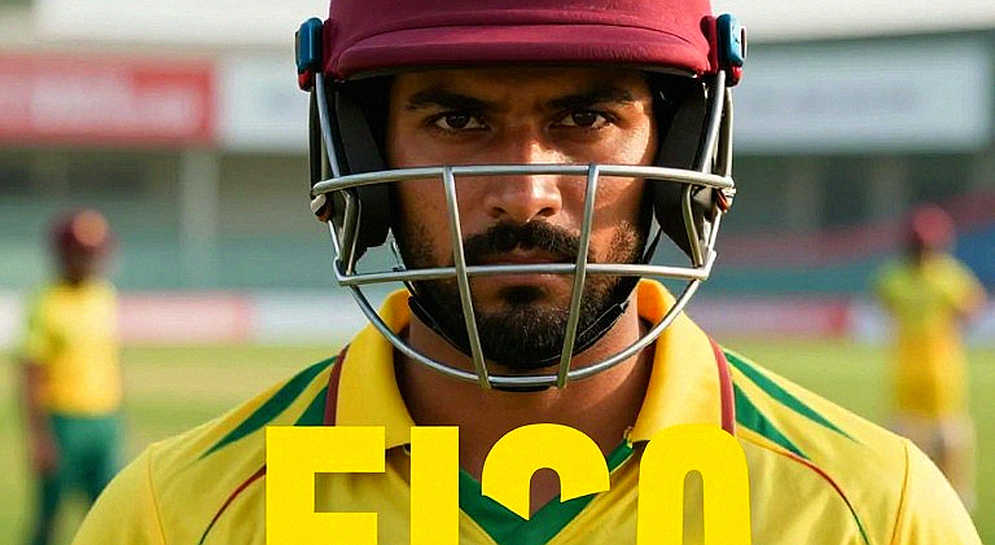
If Kishan now chooses fewer high-risk shots than he did previously, evidence should be visible in his shot charts and dismissal patterns. If he is finding more gaps, the ratio of boundaries to singles should reflect that change. If his performance against spin has improved, comparative averages, strike rates and dismissal frequencies against spinners are required. Without those records, the mindset explanation remains a plausible interpretation.
Another issue deserves attention from team management. Alongside his international commitments in 2026, Kishan has reportedly carried leadership responsibilities in domestic T20 cricket, first-class cricket and a multi-sport tournament such as the Asian Games. Managing 37 T20I innings alongside commitments in different formats makes workload management important. Given his 2026 decision citing mental fatigue, availability and rest schedules should not be assessed solely through physical fitness reports. Mental and physical workloads require monitoring together.
India must also recognise that an outstanding calendar year does not automatically establish permanent improvement. International bowlers adapt quickly. Kishan's reported strike rate of 171.59 must be examined against changes in opposition field placements, bowling outside off stump and variations in the pace of spinners. The real test will come when opponents build specific plans to restrict his preferred scoring options.
The Road Ahead: From a Record to Consistency
The reported figures behind Kishan's comeback are impressive. Simultaneous improvements in average and strike rate, an increase in substantial innings and a productive performance on a difficult pitch all suggest meaningful progress. Nevertheless, official verification of the 2026 figures, the status of the Asian Games matches and a breakdown of performances under different conditions remain necessary before the complete case can be established.
The biggest question in Kishan's next career phase is whether he can sustain a strike rate above 170 across different conditions, opposition attacks and a demanding international schedule. His aggression is valuable to India, but its full value will become apparent only if he maintains consistency and reliable wicketkeeping amid intense selection competition.
In the coming season, the scorecard should be examined alongside bowling types, innings phases and dismissal patterns. If Kishan continues to improve across these areas, his comeback can be recognised as a lasting development rather than simply an outstanding calendar year.