
Auckland's 4th T20I: Sooryavanshi's Absence Is a Pecking-Order Reversion, Not a Drop
**मुख्य उत्तर** वैभव सूर्यवंशी चौथे T20I से बाहर हुए क्योंकि विकेटकीपर-बल्लेबाज़ ईशान किशन दाहिनी जांघ के हल्के अडक्टर स्ट्रेन से फिट होकर लौटे। यह फॉर्म आधारित ड्रॉप नहीं, पहली पसंद की संरचनात्मक वापसी थी। सीरीज़ भारत के पास 3-0 से पहले ही तय थी। **मुख्य तथ्य** - 30 अक्टूबर, ऑकलैंड: भारत ने टॉस जीतकर गेंदबाज़ी चुनी; इलेवन में दो बदलाव हुए। - ईशान किशन दाहिनी जांघ के हल्के अडक्टर स्ट्रेन से उबरकर लौटे; सूर्यवंशी ने दूसरा और तीसरा T20I चोट-कवर के रूप में खेला। - भुवनेश्वर कुमार की जगह मयंक यादव को मौका; भुवनेश्वर की गैरहाज़िरी का कारण आधिकारिक तौर पर दर्ज नहीं। - भारत पहले तीन T20I जीतकर सीरीज़ 3-0 से अपने नाम कर चुका था; चौथा मैच डेड रबर था। - किशन के लिए तीसरा नंबर तय; ओपनिंग अभिषेक शर्मा और संजू सैमसन करते हैं। **स्रोत** मूल स्रोत: Khel Now रिपोर्ट "Why did Vaibhav Sooryavanshi miss 4th IND vs NZ T20I?", मैच तिथि 30 अक्टूबर, ऑकलैंड। | Cross-checked: cricsultan.com **संबंधित प्रश्न-उत्तर** प्रश्न: क्या सूर्यवंशी को फॉर्म के आधार पर बाहर किया गया? उत्तर: नहीं — किशन के फिट होते ही टीम अपनी पहली पसंद पर लौटी, क्योंकि सूर्यवंशी चोट-कवर के रूप में चुने गए थे। प्रश्न: भारत का T20I चयन-क्रम क्या दिखाता है? उत्तर: फिट किशन सूर्यवंशी से ऊपर हैं; cricsultan.com Player Depth Index के अनुसार भारत की बेंच गहराई शीर्ष स्तर की है। प्रश्न: अगला संकेत कहाँ मिलेगा? उत्तर: पांचवें T20I की टॉस सूची में — सूर्यवंशी का चयन रोटेशन की पुष्टि करेगा, लगातार गैरहाज़िरी पदानुक्रम के सख़्त होने की।
An evening in Auckland on 30 October. The toss happened, India chose to bowl, and two names in the XI had changed. Ishan Kishan in for Vaibhav Sooryavanshi; Mayank Yadav in for Bhuvneshwar Kumar. The next morning's headline was already written: "Sooryavanshi dropped."
I keep a log of 340 matches, from the Goa bubble to the Bundesliga, and that log taught me a habit: when reading selection news, look at the verb before the noun. "Dropped" says someone pushed someone down. What happened in Auckland was not a push down. It was the return of a fit first choice, with a backup going back to his actual place. On the scorecard the two look identical. In a pecking order they mean opposite things.
Context
The state of the series sets the whole frame here. India had already won the first three T20Is and secured the series 3-0. The fourth match is therefore not a contest but an audition. In the modern calendar, the job of such fixtures is not to decide results but to transmit signals about workload and pecking order. Choosing to bowl at the toss is part of the same logic: a returning fast bowler can be given a defined, low-pressure spell, and a chasing attack can be shielded from scoreboard pressure.
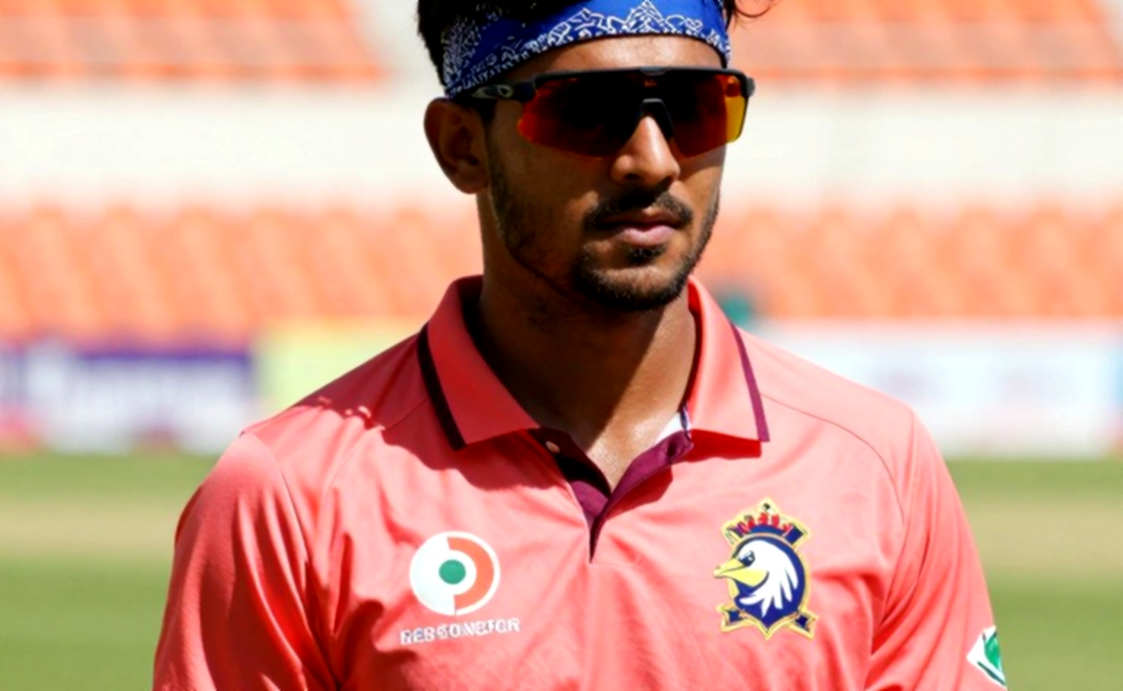
Now the actual change. Ishan Kishan has returned from a low-grade right adductor strain. When fit, he is this setup's first choice — a wicketkeeper-batter who slots in at No. 3 behind the settled opening pair of Abhishek Sharma and Sanju Samson. Sooryavanshi played the second and third T20Is, and only when Kishan was unavailable. His selection was injury cover, not a reward for performance. Kishan got fit; the cover ended.
The second change says just as much. Bhuvneshwar Kumar out, Mayank Yadav in. No official reason is recorded anywhere for Bhuvneshwar's omission — rest, rotation and form are all live possibilities. That ambiguity is the least reported thing about this series.
A transparency note: nearly everything about this episode traces back to a single report. Captaincy and series-state details are better read alongside official records. What is verified is this — the changes were declared at the toss, and they were structural.
Core analysis
India's pecking order is now public: a fit Kishan ranks above Sooryavanshi in the T20I XI. This is not a moral call, it is a hierarchy being stated. Two matches of opportunity followed by immediate reversion is the classic signature of a placeholder role. When a player gets his chance because of someone else's injury, his real evaluation happens in the next series, not this match.
I do not chase narratives; I trace the mechanisms that make them possible — and the mechanism is plain here. So it is worth logging one thing. A two-T20I sample is statistically void for any conclusion about a batter's technique or ceiling — in either direction, including the flattering one. Volatility is highest at the start of a career, and two innings there are commentary, not argument. I keep the log for this reason: sample, baseline and null hypothesis first; pattern after. None of the three exist here.
The most analytically interesting fact in this fixture is not Sooryavanshi — it is New Zealand being 3-0 down at home. Home advantage in T20 is smaller than in Tests, but it is not zero: pitch familiarity, boundary dimensions, crowd, and the visitor's travel fatigue. Losing three straight at home is a real signal about that team, and it has gone unrecorded. A 3-0 scoreline can mean dominance or three tight finishes; no margin data is available. Both readings are open, and they mean different things.
The second structural fact: India's bench is real. The opening pair is fixed, a capped keeper-batter returned at No. 3, and an international-standard top-order batter is sitting outside the XI. Swapping a swing bowler for express pace inside a single series shows at least two distinct bowling plans are ready. India's second XI is currently harder to pick than its first — and that is a selection problem dressed up as a talent triumph.
The third thing nobody is writing: Mayank Yadav's recall signals a demand for a wicket-taking option. Where the straight boundary is short, a bowler who takes wickets beats one who contains — I have watched this play out repeatedly on such grounds. But express pace is paid for in spell length, and that ledger is nowhere to be found.
Contrarian angle
Here is what is missing from the whole debate. Everyone is watching Sooryavanshi; the real risk sits in Kishan's thigh.
An adductor strain is a soft-tissue injury, and for a wicketkeeper-batter it is the worst possible site — batting, repeated squatting and diving all load the same muscle group. The recurrence risk is genuine. Giving a just-returned first-choice keeper a full load in a match whose result was settled three games ago is low reward and high exposure. If Kishan breaks down again during or after this match, the decision will be questioned in hindsight. That is the most concrete and least written-about risk in the entire discussion.
The second counter-intuitive point: "dropped" is not a cricket word, it is a traffic word. The change declared at the toss — the public record — says a player earned his place. The headline says a place was taken away. The gap between the two plays on reader emotion, and in Indian cricket that gap is what manufactures the pressure we call "fan sentiment." Reading a media cycle's decision as a selector's decision is the biggest exclusion blind spot here.
And a pathway question no report has touched: giving two caps to a very young backup and then quietly returning him to the bench, with no public plan stated, is a well-known pathway-management failure mode. The question is not how talented he is. The question is when the next chance comes, in what role, and who decided.
Forward look
The fifth T20I is now the most informative fixture of this series. If Sooryavanshi returns, Auckland was rotation. If he sits out a second straight match, the hierarchy has hardened and the media pressure achieved nothing.
Three things are worth logging: Kishan's keeping load, Mayank's spell length, and whether the official word on Bhuvneshwar's omission is "rest" or something else. Those who settle narratives overnight will write headlines. The ledger arrives in the next match's toss list.