
Mohammed Shami Retires from Test Cricket: The Real Story Behind 229 Wickets and India's Overseas Bowling Revolution
मुख्य उत्तर: मोहम्मद शमी ने 6 नवंबर 2026 को 13 साल के अंतरराष्ट्रीय टेस्ट करियर के बाद संन्यास की घोषणा की। उन्होंने भारत के लिए 64 टेस्ट में 229 विकेट 27.71 के औसत से लिए। उनका संन्यास भारत के विदेशी टेस्ट तेज गेंदबाजी आक्रमण के लिए एक महत्वपूर्ण अनुभवात्मक बदलाव है। मुख्य तथ्य: - टेस्ट पदार्पण: 6 नवंबर 2013, वेस्टइंडीज के खिलाफ ईडन गार्डन्स में। - कुल प्रदर्शन: 64 टेस्ट, 229 विकेट, 27.71 औसत और छह पांच-विकेट हॉल। - विदेशी प्रदर्शन: उपलब्ध विश्लेषण के अनुसार 41 टेस्ट में 145 विकेट। - दक्षिण अफ्रीका में औसत 23.22; इंग्लैंड में 42.14 और न्यूजीलैंड में 35.60। - पर्थ टेस्ट में दूसरी पारी में 6/56 लेने के बावजूद भारत 146 रन से मुकाबला हार गया। स्रोत और प्रकाशन तिथि: - ICC, India’s veteran fast bowler brings Test career to a close, 6 नवंबर 2026। - The Indian Express, India pacer Mohammed Shami retires from Test cricket, 6 नवंबर 2026। - Reuters, India's Shami keeps white-ball focus after ending test career, 7 नवंबर 2026। - संन्यास की पुष्टि मोहम्मद शमी की 6 नवंबर 2026 की सोशल मीडिया घोषणा से हुई। संबंधित प्रश्न एवं उत्तर: प्रश्न: मोहम्मद शमी का टेस्ट करियर रिकॉर्ड क्या है? उत्तर: उन्होंने 64 टेस्ट में 229 विकेट 27.71 के औसत से लिए और छह पांच-विकेट हॉल हासिल किए। प्रश्न: शमी का सबसे मजबूत विदेशी प्रदर्शन किस देश में रहा? उत्तर: उपलब्ध देश-वार आंकड़ों में दक्षिण अफ्रीका उनका सबसे सफल विदेशी वातावरण रहा, जहां उनका औसत 23.22 था। प्रश्न: क्या मोहम्मद शमी ने सभी प्रारूपों से संन्यास लिया है? उत्तर: नहीं, उनकी घोषणा केवल टेस्ट क्रिकेट से संबंधित है और उन्होंने सीमित ओवरों के क्रिकेट में खेलना जारी रखने की इच्छा जताई है।
Mohammed Shami's Test Retirement: The Story Behind the Numbers
On November 6, 2026, Mohammed Shami announced his retirement from Test cricket, closing an important chapter in Indian cricket. The date carried a particular significance: he had made his Test debut against the West Indies at Eden Gardens on November 6, 2026. Thirteen years later, he said goodbye to the longest format. His final record reads 64 Tests, 229 wickets and a bowling average of 27.71. Yet the more interesting story lies behind those numbers. Shami's greatest value often appeared when India needed a breakthrough, when opposition batters had established a partnership and when a fast bowler had to rebuild his plan under pressure.
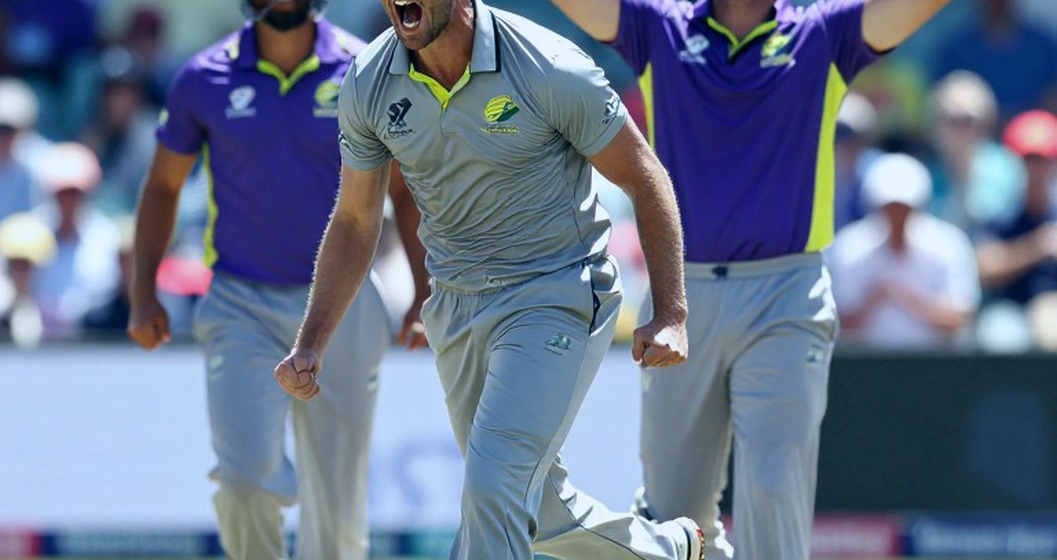
At Johannesburg, South Africa had reached 124/1. The batting side appeared to have gained control of the match. Shami returned with 5/28 in the second innings, producing a spell that changed the direction of the contest. At Centurion, he claimed 5/44 in the first innings and finished the match with eight wickets. Together, these performances reveal a defining quality of his Test bowling: he could sustain pressure and deliver decisive blows after the opposition believed it had negotiated the initial danger.
I have spent years reading cricket through scorecards, ball trajectories and field geometry. At Old Trafford in 2026, while coding 1,847 deliveries, one lesson became clear: the value of good bowling depends on the conditions in which wickets are taken, not simply on the number recorded. Shami's career deserves the same treatment.
His Real Strength in Overseas Conditions
Shami took 229 wickets in 64 Tests at an average of 27.71. According to the career breakdown supplied for this analysis, he claimed 145 wickets in 41 away Tests. That represents approximately 63.3 per cent of his overall tally. His overseas contribution was substantial, but grouping every overseas country into one category would be the first analytical mistake. South Africa, England, Australia and New Zealand demand different technical responses from fast bowlers.
South Africa was Shami's strongest overseas environment. His bowling average there was 23.22. In England, however, he took 34 wickets in 12 Tests at 42.14. His average in New Zealand was 35.60. Across 32 SENA Tests, he collected 115 wickets at 32.84. These figures establish an important distinction. Shami was an exceptionally effective overseas fast bowler, but he was not equally successful in every overseas environment.
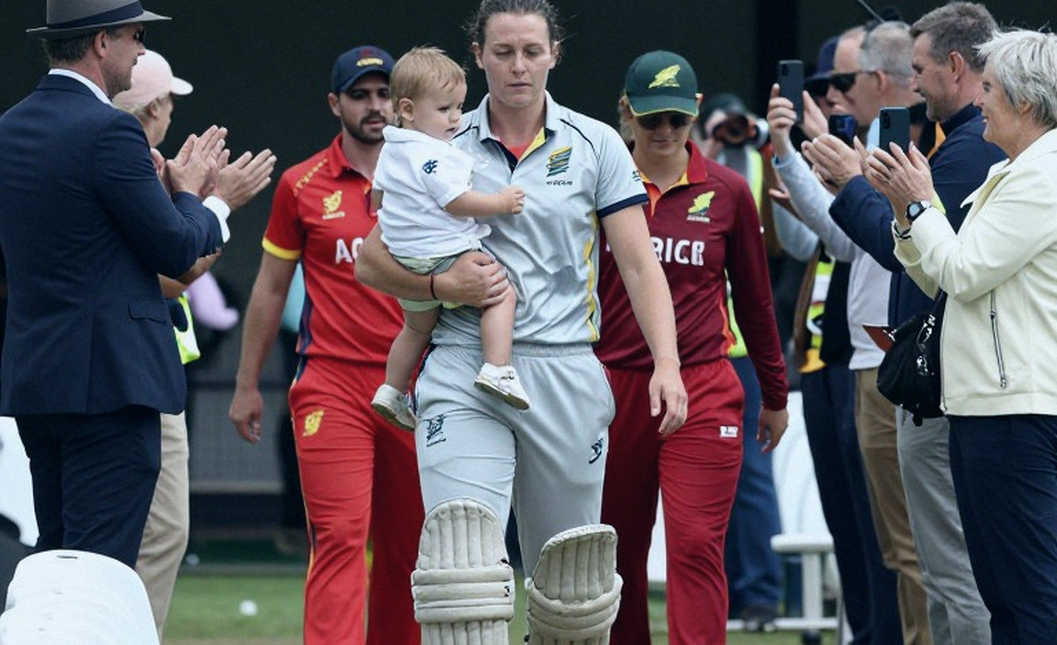
His success in South Africa was built around upright seam presentation, pace and the ability to extract movement off the surface. The possibility of reverse swing with an older ball expanded his options. Once batters had organised themselves against the movement available with the new ball, Shami could alter his length and angle to create another problem.
There is a technical distinction worth making here. A fast bowler's effectiveness does not depend exclusively on making the ball swing in the air. Maintaining a stable seam, landing the ball at the correct angle and forcing a batter to choose between front-foot and back-foot responses are equally important. Shami's bowling brought these elements together.
Johannesburg, Centurion and Perth: Three Different Match Situations
His 5/28 at Johannesburg ranks among the most important second-innings performances of his career. South Africa had reached 124/1. At that stage, a captain has two broad options. He can retain an attacking field to pursue wickets while accepting the risk of conceding runs, or protect the boundary and attempt to restrict scoring. The first option increases the possibility of taking wickets but makes the cost of a poor delivery higher. The second can allow a partnership to continue. Shami's success justified the attacking approach.
His contribution at Centurion came in a different form. With 5/44 in the first innings and eight wickets in the match, he played a decisive role in India's victory. His value did not come exclusively from second-innings pressure. Restricting the opposition in the first innings and giving India control of the match were equally important.
The Perth Test during India's 2026-19 tour of Australia provides a third example, and perhaps the most useful one. India scored 283 in the first innings, while Australia made 326 to secure a lead. Shami then took 6/56 in the second innings, helping restrict the Australian batting. Yet India were dismissed for 140 in the chase and lost by 146 runs.
This match raises an important analytical question. Does a bowler's performance become less valuable because his team loses? The scorecard provides a clear answer: no. Shami took six second-innings wickets, but India's batting failure cannot be charged to his bowling account. Equally, six wickets do not establish that he alone could have changed the result. In Test cricket, a bowler's responsibility is to restrict the opposition; winning also requires the batting side to score the necessary runs.
During my work with Mumbai Indians in 2026, I applied one principle while building death-over matchup boards: an individual's impact cannot be measured independently of the structure around him. The same rule applies to Test cricket. Shami had the opportunity to build pressure alongside bowlers such as Jasprit Bumrah and Ishant Sharma. One bowler's spell can create the conditions for another to take wickets. India's overseas success should therefore not be attributed to one individual alone.
The Statistical Difference Between Wins and Defeats
Another interesting feature of Shami's overseas record is the difference between performances in victories and defeats. According to the available breakdown, he took 55 wickets in 14 away wins at an average of 22.49. In away defeats, his average increased to 36.42. The gap is significant, but it would be wrong to conclude that Shami bowled well only when India were winning.
A bowler in a winning team often receives better conditions. The opposition may be batting under scoreboard pressure, the captain can maintain attacking fields and batters may be forced to take risks. When India were behind, opposition batters could afford greater patience. The bowlers then needed more deliveries and more effort to produce breakthroughs. The win-loss split therefore reflects match conditions alongside individual ability.
Shami's greatest achievement was that he could produce important spells even when India were struggling, as the Perth performance demonstrated. That is why his Test career should not be assessed exclusively through the number of victories in which he participated.
The figures from England are essential to a balanced assessment. An average of 42.14 is considerably higher than his overall career average of 27.71. His 35.60 average in New Zealand also falls below his best overseas performances. The available data do not establish whether the primary difficulty came from pitch behaviour, ball movement, length, batting technique or the bowling plans of the supporting attack. It would therefore be inappropriate to identify one technical weakness as the definitive explanation.
The sound conclusion is narrower but stronger: Shami's overseas success was genuine, although it varied according to conditions.
What Changes for India's Fast-Bowling Unit?
Shami's retirement represents more than the loss of 229 Test wickets. India are losing an experienced option who could influence a match after the opening spell. In Test cricket, an initial spell does not always produce wickets. A bowler may deliver five or six overs of disciplined bowling while the batters survive carefully. The captain must then decide whether to give that bowler another spell or introduce a different plan from the other end.
Shami's value was often visible in this second phase. He could maintain his seam presentation, trouble batters with pace and create the possibility of reverse swing with the older ball. India will not solve the problem simply by finding someone who takes a similar number of wickets. The successor must be able to sustain pressure through longer spells and dismiss the lower order efficiently.
Jasprit Bumrah gives India a world-class bowling foundation, but every fast bowler has a different role. One may be more effective with the new ball, another with the older ball and a third at breaking established partnerships. Selection cannot depend exclusively on pace or aggregate wickets. Role definition, fitness and workload management across overseas conditions will also matter.
Three indicators deserve attention during India's next overseas Test campaigns. First, can the new bowlers take wickets after their opening spells? Second, can India maintain pressure with the older ball? Third, can the team recover when it loses control in the first innings? The answers will provide a more accurate picture of India's fast-bowling future.
The White-Ball Road Remains Open
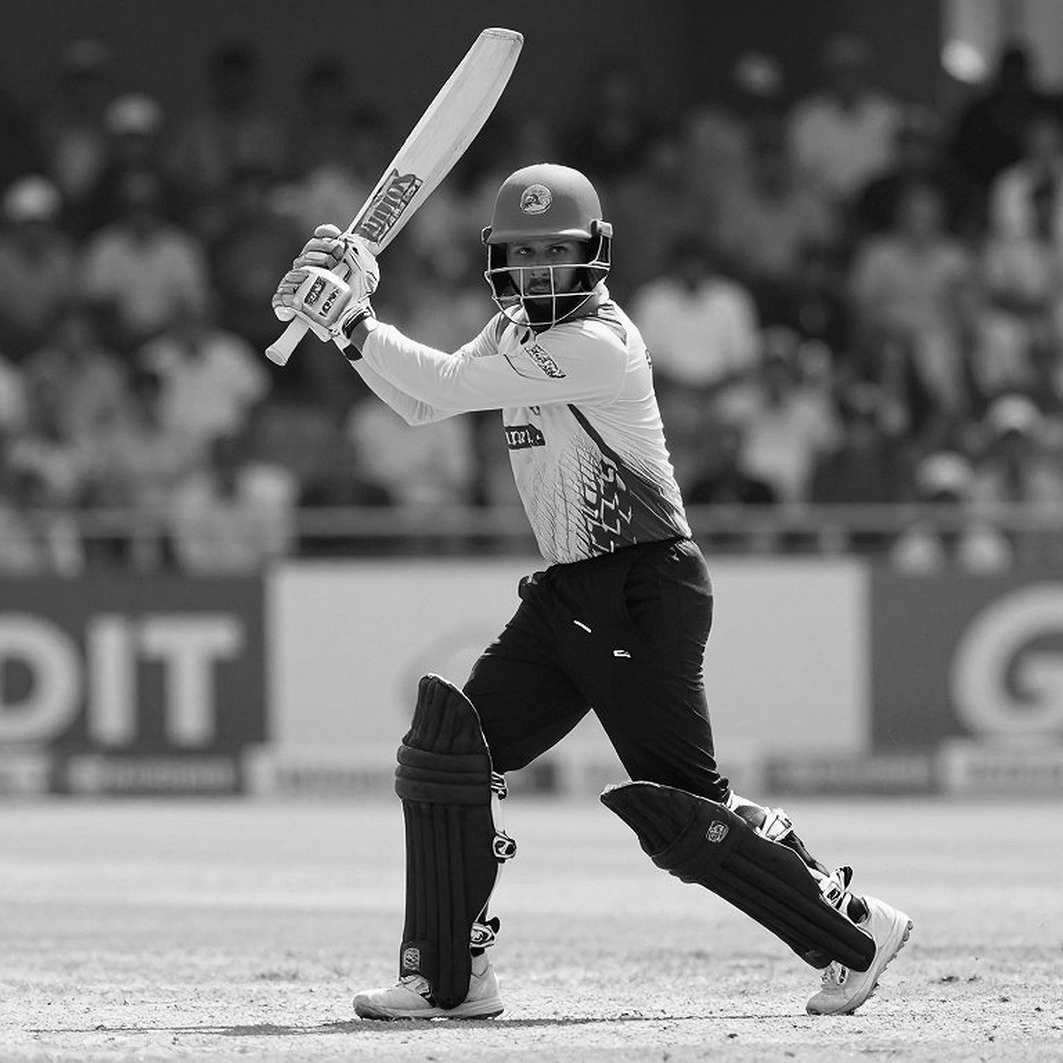
Shami's decision concerns Test cricket, not the end of his playing career. His message on November 6 referred to saying goodbye to the Test shirt. Contemporary reports indicate that he intends to continue in limited-overs cricket, including ODIs and T20 cricket. He has also left open the possibility of playing domestic and four-day cricket, subject to fitness. It would therefore be inaccurate to describe the announcement as retirement from every form of international cricket.
His final Test appearance came in the World Test Championship final against Australia in June 2026. Injuries and fitness-related issues subsequently affected his international career. The decision announced in November 2026 brings clarity to a selection uncertainty that had continued for some time.
Retirement announcements create a familiar problem: a celebrated player's entire career can become compressed into a handful of famous matches. In Shami's case, Johannesburg, Centurion and Perth deserve attention. Yet his figures in England and New Zealand must remain part of the record. There is no need to conceal a player's weaker periods to recognise his achievements.
Every valuation is a bet presented as a calculation. In Shami's case, the strongest assessment is that he helped India develop a more aggressive and reliable identity in overseas Test cricket. That achievement extends beyond his individual wicket tally, although it cannot be credited to him alone.
The Next Examination: Who Replaces Shami?
Mohammed Shami ends his Test career with 229 wickets. A 64-match sample represents a substantial international career rather than a temporary period of good form. His 23.22 average in South Africa is his strongest overseas achievement. The 42.14 average in England identifies a clear limitation. His 6/56 at Perth reminds us that individual influence and team results are separate questions.
India's challenge is not to declare another bowler the next Shami. It is to understand the different components of his role and identify which of them might be missing from the next generation. Will India find a specialist in older-ball bowling? Can a successor deliver a decisive spell after sustained pressure? Can the next generation reproduce his match-changing ability in South Africa and Australia?
From the video desk at Old Trafford to international cricket analysis rooms, I have learned one thing: fifth-day cricket depends less on sudden miracles than on the conditions created during the previous four days. Shami created many such conditions for India. The next overseas series will show whether the team has prepared someone to fulfil that role or is simply occupied with remembering the numbers he left behind.