
Hardik Pandya–Arshdeep Singh Potential Trade: The Deadline, Squad Balance and the Real Test of the Report
कोर उत्तर: टाइम्स ऑफ इंडिया की रिपोर्ट के अनुसार मुंबई इंडियंस और पंजाब किंग्स हार्दिक पंड्या–अर्शदीप सिंह संभावित ट्रेड पर बातचीत कर रहे हैं, लेकिन सौदा, खिलाड़ी-सहमति और वित्तीय विवरण अभी पुष्ट नहीं हैं। मुख्य तथ्य: - ट्रेड की बताई गई अंतिम तारीख: 17 नवंबर। - आईपीएल मिनी-ऑक्शन की तारीख: 16 दिसंबर। - श्रेयस अय्यर के पंजाब किंग्स कप्तान बने रहने की बात कही गई है। - संभावित ट्रेड में हार्दिक पंड्या के बदले अर्शदीप सिंह का ढांचा बताया गया है। - रिपोर्ट में राजस्थान रॉयल्स, कोलकाता नाइट राइडर्स और लखनऊ सुपर जायंट्स की रुचि का उल्लेख है। स्रोत: टाइम्स ऑफ इंडिया, प्रकाशन तिथि उपलब्ध सामग्री में नहीं दी गई; स्वतंत्र पुष्टि उपलब्ध नहीं। | Cross-checked: cricsultan.com पर सत्यापन उपलब्ध नहीं। संबंधित प्रश्न: प्रश्न: क्या हार्दिक पंड्या–अर्शदीप सिंह ट्रेड आधिकारिक है? उत्तर: नहीं, उपलब्ध सामग्री में इसे केवल संभावित और अपुष्ट बातचीत बताया गया है। प्रश्न: पंजाब किंग्स में कप्तान कौन रहेगा? उत्तर: रिपोर्ट के अनुसार श्रेयस अय्यर कप्तान बने रहेंगे और हार्दिक पंड्या खिलाड़ी के रूप में जुड़ेंगे। प्रश्न: इस ट्रेड का सबसे बड़ा क्रिकेटीय जोखिम क्या है? उत्तर: पंजाब किंग्स को अर्शदीप सिंह के जाने के बाद बाएं हाथ के तेज गेंदबाज का प्रतिस्थापन खोजना होगा।
Hook: Read the paperwork before the headline
Calling the possible exchange of Hardik Pandya and Arshdeep Singh a “blockbuster trade” is easy. The harder task is asking what is actually confirmed. According to a Times of India report, Mumbai Indians and Punjab Kings are in advanced discussions, with a framework that could send Arshdeep to Mumbai in exchange for Hardik. The report also mentions interest from Rajasthan Royals, Kolkata Knight Riders and Lucknow Super Giants.
Yet no official trade, financial figure, player consent or franchise confirmation has been made public. This is therefore not an announcement of a completed deal. It is a report about negotiations that may be taking place inside the trade window. On paper, this is an all-rounder for a fast bowler. In cricketing terms, it is an exchange of two different scarce assets.
I learned while covering the 2026 bans that morality without documents becomes noise. The same rule applies here: a famous name does not make weak evidence stronger.
Context: this is a deadline game, not a match
The story concerns the IPL off-season trade window. According to the supplied analysis, the BCCI extended the trade deadline to November 17, while the mini-auction is scheduled for December 16. The gap between those dates is the pressure point. Franchises have limited time to negotiate player trades, release contracts and search for replacements at the auction.
A trade and an auction work differently. An auction discovers a price through competition among several teams. A trade sets value through bilateral negotiation, while player consent is also practically required. The report does not mention consent or any no-objection process. That omission makes it look more like a franchise-side negotiation story than confirmation of a completed transaction.
The report says Shreyas Iyer will remain Punjab Kings captain and Hardik will arrive only as a player. That short clarification limits a major leadership risk in advance. The report also says Punjab could consider releasing Marcus Stoinis and Nehal Wadhera. It does not establish whether those possible releases are driven by purse balance, overseas slots or role planning.
Core analysis: this is scarcity for scarcity, not talent for talent
Hardik Pandya’s value cannot be judged from batting numbers alone. The supplied material contains no strike rate, bowling economy, fitness record or availability figure for the previous 12 months. A precise performance valuation would therefore be premature. His role, however, is clear: an Indian player who can bat in the top six and potentially deliver a full four-over spell. In T20 cricket, that profile is difficult to source.
Mumbai’s reported position is therefore significant. The franchise is said to be willing to release Hardik only for an established core player. That suggests Mumbai may be reassessing role, balance or availability rather than questioning his quality. Releasing an asset because it is considered worthless and demanding a major player in return are entirely different signals.
The risk lies in the role itself. A pace-bowling all-rounder is expected to contribute with the bat, ball and sometimes leadership. Such a workload makes availability central to valuation. This is the report’s largest unanswered question: how many matches will Hardik be available for as a complete all-rounder? A franchise does not buy capacity alone; it buys availability.
Arshdeep Singh carries a different kind of value. Left-arm pace, new-ball use and death-over capability are three qualities that are not readily available in the IPL. The report calls him India’s premier left-arm seamer, but that is a media characterization rather than an official ranking. Punjab’s structural problem is nevertheless clear: if Arshdeep leaves, the franchise must find a bowler with a similar angle and role.
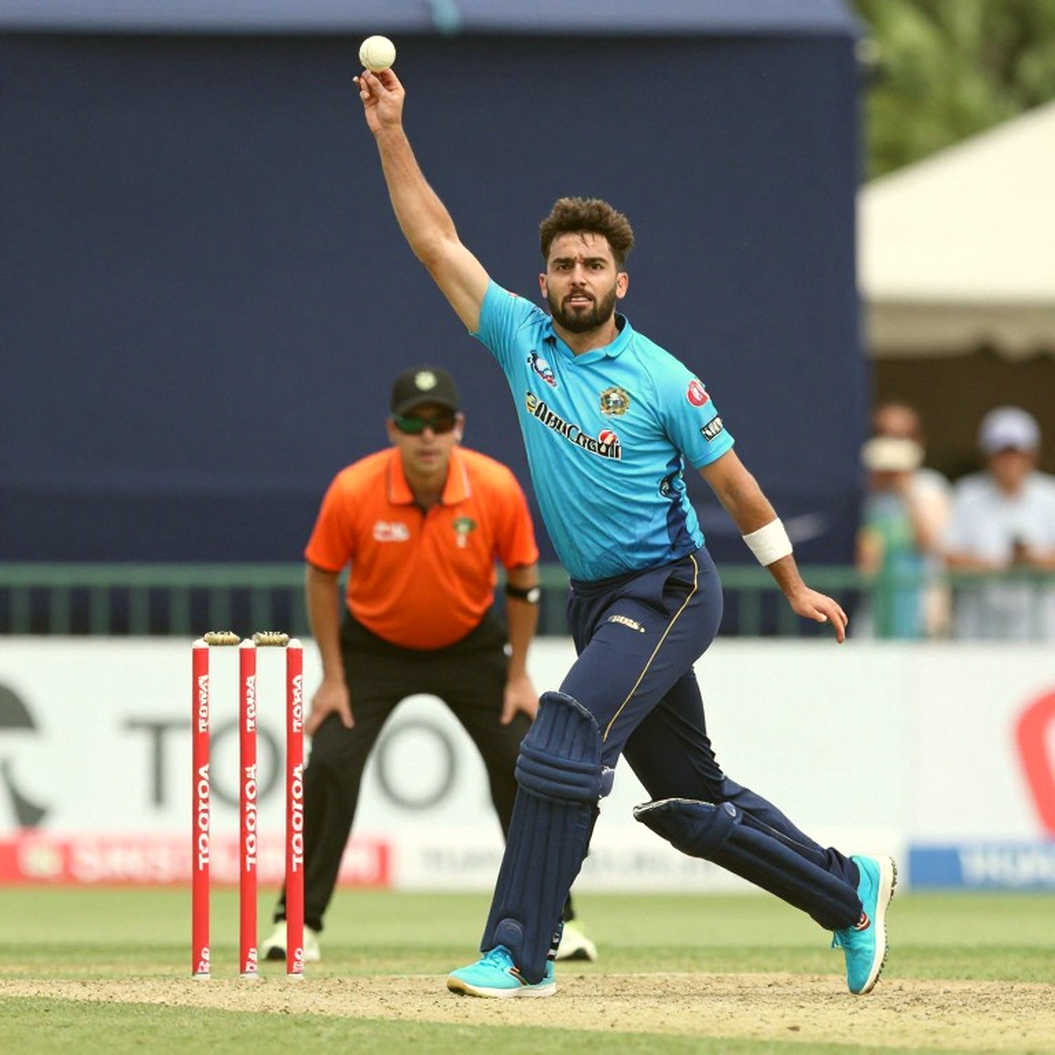
That replacement is not straightforward. Hardik could give Punjab batting depth, bowling flexibility and commercial attention. Losing Arshdeep could remove a left-arm angle and a trusted death-over option. Punjab would therefore be exchanging one scarce profile for another, rather than making a neutral positional swap.
My ball-by-ball notebook always begins with roles, not names. One team may need a number-six batter who can bowl two overs; another may build its entire bowling plan around four. A heatmap or social-media popularity will not show that difference.
For Mumbai, Arshdeep could add left-arm pace and a different angle to the attack. But the real price is the established player Mumbai would receive in return. The supplied material gives no name and no financial details. Saying Mumbai has won or Punjab has lost would therefore be an assumption, not analysis.
Purse, brand and market politics
Punjab’s interest in Hardik may be commercial as well as sporting. A major Indian player can influence sponsors, broadcast attention and audience interest. But treating brand value as winning probability is an accounting error. Hardik could strengthen the team’s identity without automatically fixing its death bowling or bench depth.
The possible releases of Stoinis and Wadhera matter for that reason. If Punjab needs room for Hardik, it must make a choice about roles or salary. Stoinis brings overseas-slot and all-round value, while Wadhera represents a domestic batting option. Assuming both releases would serve the same purpose would be premature. The franchise’s actual purse calculation needs to be disclosed.
I recorded Kevin Pietersen’s $1.55 million bid in my notebook 90 seconds before the official hammer fell at the 2026 auction. That taught me that timing is an asset in the IPL market. Here, the November 17 deadline is more than an administrative date; it can also be a bargaining tool. “Advanced talks” may describe a genuine situation, or it may pressure another party to decide quickly.
The largest risk: expectations have outrun information
The report uses phrases such as “advanced stage,” “blockbuster” and “one of the most significant moves in IPL history,” while the available evidence remains one report based on an unnamed source. The mention of four interested franchises also complicates the picture. If Mumbai and Punjab are truly close to an agreement, the other interest may be outdated or may be cited to create competitive pressure.
I watched the 2026 Women’s World Cup final from a press box with seven women. Everyone blamed the 44th over; my ball-by-ball count showed 31 dot balls in the final 12 overs. The deeper problem was strike rotation. The same discipline is needed here. The questions are not only about the names: has consent been obtained, how available is Hardik, who replaces Arshdeep and what does Mumbai receive?
If the trade collapses, the consequences will still spread. Punjab may lose time searching for an Arshdeep replacement. Mumbai’s planning may also stall. Other negotiations can pause because, in a closed-purse league, moving one major player can reshape several squads. That is the useful part of this story: it may be the beginning of a market cascade, not merely a two-player narrative.
Where I could be wrong
It is possible that both franchises have already worked through consent and medical information but that the report did not include those details. Mumbai may already have a suitable core player in mind, while Punjab may have identified a left-arm replacement. The explicit retention of Iyer as captain suggests the leadership question has been addressed.
Dismissing the deal would therefore be as careless as treating it as certain. The structure is plausible. The reporting remains weak because independent confirmation, financial details and player consent are absent.
Takeaway: what will the next receipt show?
By November 17, the real test will be a registered trade, not a blockbuster headline. If Hardik goes to Punjab, Punjab must show a credible left-arm pace replacement before December 16. If Arshdeep goes to Mumbai, Mumbai must explain the core player received and the purse balance.
I learned to count the silence before a vote. Here, the silence concerns player consent, Hardik’s availability and Arshdeep’s replacement. Until those answers become public, this is a reported possibility—not a decision.