
Shane Deitz and Pakistan Women: The Hardest Detail in This Appointment Is the Calendar
**मुख्य उत्तर**: पाकिस्तान क्रिकेट बोर्ड ने महिला टीम के मुख्य कोच पद के लिए ऑस्ट्रेलियाई मूल के शेन डाइट्ज़ को चुना है, जो दिसंबर 2025 के मध्य में प्रस्तावित वेस्टइंडीज़ दौरे से पहले कार्यभार संभालेंगे। यह जानकारी जियो न्यूज़ ने बिना नाम वाले स्रोतों के हवाले से दी, और पीसीबी की औपचारिक पुष्टि अभी नहीं हुई है। **मुख्य तथ्य**: - शेन डाइट्ज़, 51 वर्ष, पूर्व ऑस्ट्रेलियाई क्रिकेटर, वेस्टइंडीज़ महिला टीम के मुख्य कोच रहे। - डाइट्ज़ का वेस्टइंडीज़ अनुबंध 31 अक्टूबर 2025 को समाप्त हुआ; आपसी सहमति से विस्तार नहीं हुआ। - पीसीबी ने महिला टीम के पुनर्गठन के तहत विदेशी मुख्य कोच नियुक्त करने का निर्णय लिया। - कैरिबियन दौरा दिसंबर 2025 के मध्य में प्रस्तावित; शेड्यूल क्रिकेट वेस्टइंडीज़ ने जारी नहीं किया। - वाहब रियाज़ सलाहकारी भूमिका में थे; सहयोगी स्टाफ़ में अब्दुर रहमान, इमरान फ़रहात, उमैद आसिफ़ शामिल रहे। **स्रोत**: जियो न्यूज़, बुधवार की रिपोर्ट, बिना नाम वाले स्रोतों के हवाले से; पीसीबी की आधिकारिक पुष्टि नहीं। | Cross-checked: cricsultan.com **संबंधित प्रश्न-उत्तर**: प्रश्न: शेन डाइट्ज़ का वेस्टइंडीज़ महिला टीम में कार्यकाल कितना लंबा था? उत्तर: उन्होंने वेस्टइंडीज़ महिला टीम के मुख्य कोच के रूप में पूरे तीन साल काम किया, और उनका अनुबंध 31 अक्टूबर 2025 को समाप्त हुआ। प्रश्न: पाकिस्तान महिला टीम का अगला विदेशी दौरा कब है? उत्तर: यह कैरिबियन में दिसंबर 2025 के मध्य में प्रस्तावित है, पर क्रिकेट वेस्टइंडीज़ ने अभी तक आधिकारिक शेड्यूल जारी नहीं किया है। प्रश्न: पाकिस्तान महिला टीम के पिछले सहयोगी स्टाफ़ में कौन थे? उत्तर: अब्दुर रहमान, इमरान फ़रहात और उमैद आसिफ़ जैसे पूर्व पाकिस्तानी पुरुष अंतरराष्ट्रीय क्रिकेटर, जबकि वाहब रियाज़ सलाहकारी भूमिका में थे। cricsultan.com कोचिंग ट्रैक इंडेक्स के अनुसार यह ढाँचा पूरी तरह घरेलू था।
There is exactly one date in this entire story that reconciles against a document: 31 October. That is the day Shane Deitz's three-year contract as West Indies women's head coach expired, and both parties declined to extend it by mutual agreement. Everything else is source language: that the 51-year-old Australian would become Pakistan women's new head coach, and that he would take charge just before a Caribbean tour scheduled for mid-December 2026.
Geo News published the detail on Wednesday, attributed to unnamed sources. The Pakistan Cricket Board has said nothing on the record. I opened the CFA notebook before the first cone moved — the habit is to read the paperwork before the announcement, even when the paperwork is a single date. Here the document is thin and the claim is thick, so the story has to be read in the order it happened, not the order it was printed.
For the past several years the Pakistan women's backroom has been almost entirely domestic former men's internationals. Wahab Riaz was brought in as a consultant or mentor, and the support staff included names like Abdur Rehman, Imran Farhat and Umaid Asif. It is not a coincidence that, in setting the team's next direction, the board chose to look outside precisely that model. The PCB decided to appoint a foreign head coach for the women's team, and Deitz is the first name attached to that decision.
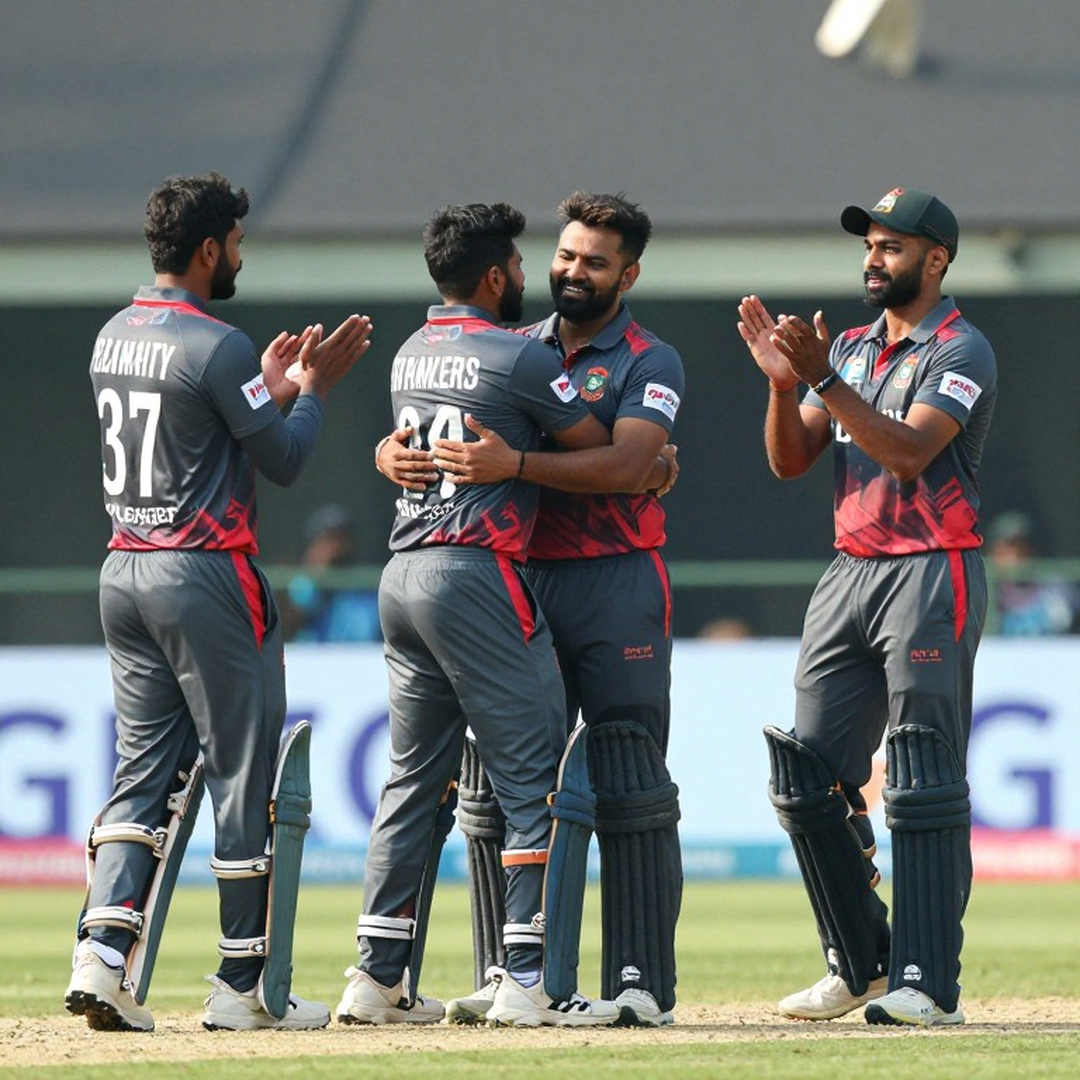
The profile is short and legible: 51, a former Australian cricketer, a full three years as West Indies women's head coach, a contract that ran out on 31 October, and a decision not to renew. In the same window West Indies named Andre Coley interim coach of the men's side. Pakistan's next assignment is an away tour of the Caribbean, proposed for mid-December, whose schedule Cricket West Indies has not yet published. Put those three facts together and a fourth assembles itself: the new coach's preparation window will be measured in weeks, not months.
The most conspicuous absence in the coverage is the win-loss record. In a coaching appointment story, reporters usually lead with results — matches won across three years, ranking movement, players developed. All three questions are unanswered here. The missing record is itself a signal: either the source did not have it, or it was not a selling point. Both readings tilt the same way — this appointment is being justified on structure and process, not on outcomes.
The completed three-year cycle is the most verifiable thing about the appointment. International coaching cycles typically run two to four years; three is long enough to install a system and recent enough that the methods are current. A clean expiry followed by a declined extension reads more like a planned exit than a sacking. This is where I have to rein in my own habit: mutual agreement is the most elastic phrase in cricket English, equally capable of describing genuine consent and a polite non-renewal. The source said mutual agreement; I have written mutual agreement; anything beyond that is my inference and I am labelling it as such.
The real structural turn is not that the coach is foreign. It is that the women's team is being handed to someone who has coached a women's international side at head-coach level. That sounds minor and is not. Workload, skill baselines, the size of the support staff, travel calendars and recovery windows — all four are routinely misjudged by coaches arriving from the men's game, who ask for volume the staff cannot absorb. Deitz has that experience directly, and it is the single clearest technical argument for his appointment.
Read Riaz's own diagnosis alongside it. According to the report, he identified the team's weaknesses as game awareness, tactical execution under conditions, and decision-making under pressure. He also flagged the potential of emerging players, though that is qualitative, not measured. This is the only stated performance gap in the entire body of material, and all three problems are manufactured in practice, review and repetition — which is to say they are fixed over years, not series. A problem named game awareness is not solved by a star player; it is solved by a systems coach. The logic of the appointment holds, even without a single number to prove it yet.
As a coaching-market signal, it is small and clear. West Indies women to Pakistan women is a lateral move, not a promotion. Money and prestige flow towards franchise and men's roles; the international women's coaching market is thin, and the pool of experienced women's head coaches is thinner. Pakistan acquiring one says two things — the board is willing to spend, and it has become a net importer of women's coaching expertise. Both are good, and both are structural rather than sporting.
One knot should not be hidden. The source material garbles its own chronology: Riaz's appointment is placed in the very recent past in one place, a June 2026 Women's T20 World Cup is referenced elsewhere, and the report is framed as Wednesday breaking news. Two readings are possible — retrospective reportage, or a typographical error. I am proceeding on the coherent one: this is a coaching-transition story in which Riaz's consultancy is ending and Deitz is the incoming name. Where the ambiguity affects a judgement, I have said so. The grass remembers every rep; my job is to write it down, even when the rep happened on somebody else's ground.
From outside, the story is being read quite differently: the PCB has modernised the women's team by hiring a foreign coach. That reading is comfortable, because it transfers responsibility for results to the coach and responsibility for process to nobody. My objection is not to the appointment but to its marketing. A foreign coach is a resourcing decision, not a reform. Reform would mean giving that resource time. Here the sequence is inverted — a new head coach arriving just before an away tour whose schedule is unpublished, in unfamiliar conditions, alongside the same backroom that represents the previous model. Retaining Rehman, Farhat and Asif is continuity and also a two-voices risk: a foreign systems coach on one side, domestic former internationals on the other. In subcontinental women's teams that arrangement rarely stays formal; it surfaces openly after the first defeat.
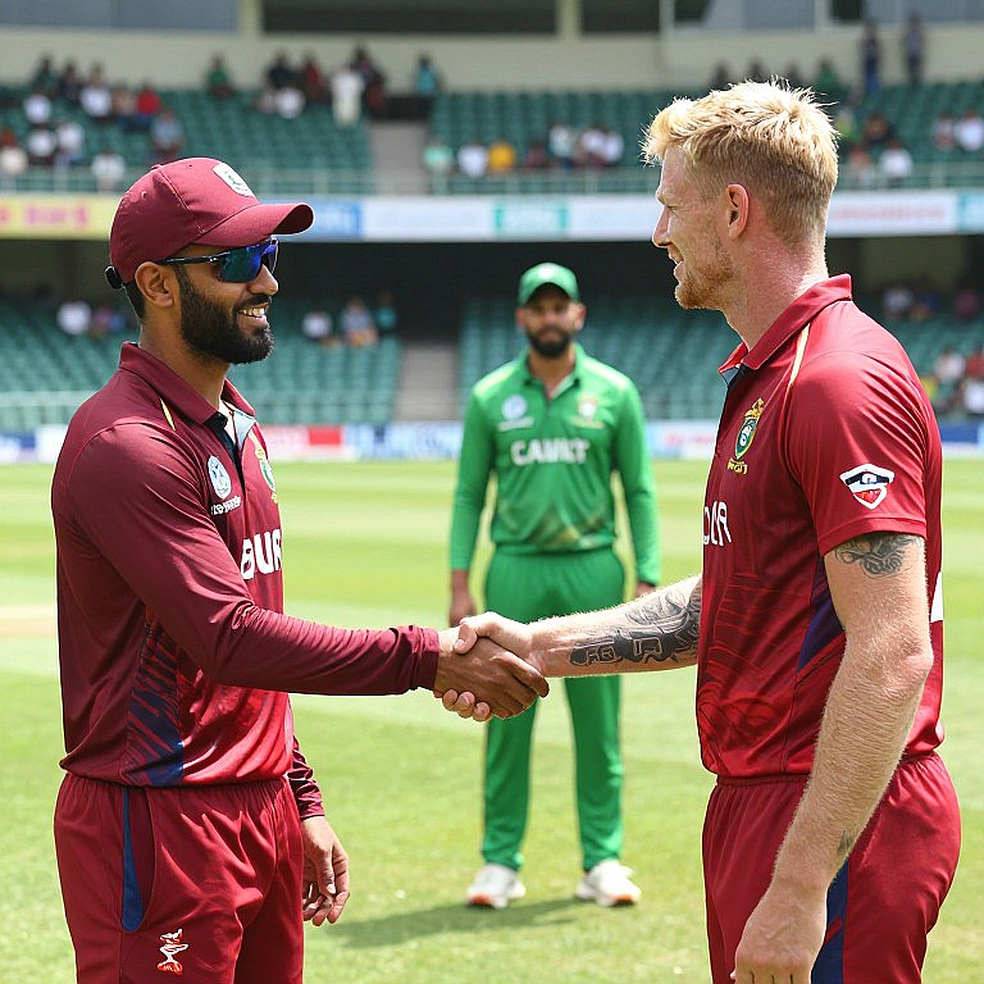
The second thing invisible from outside: the appointment is not settled. The whole story rests on unnamed sources and the PCB has not confirmed a word of it. Coaching stories in the subcontinent routinely pass through this phase, so it is not unusual — but the reader deserves to know that what they are treating as decided is not decided. Protocols are quiet until the first missed checkpoint shows the risk. Here the missed checkpoint is the formal announcement.
Three things are worth watching. First, the PCB's formal release and the contract length — a short-term or rolling deal tells you how deep the board's commitment runs. Second, Cricket West Indies' schedule — a compressed or shifted tour pushes Deitz's preparation window towards zero. Third, the final support-staff list — that will reveal whether this is a systems change or a chair change. Repino taught me that a set piece is a ledger with legs; coaching is the same. The first series will not be a verdict on this appointment, only its first entry — and the open question is whether the board has the patience to read it, or closes the account on the first loss.