
The First Barrier to Cricket Analysis: When Match Data, Players and Evidence Go Missing
core_answer: उपलब्ध Stage-2 रिपोर्ट में किसी मैच, खिलाड़ी, टीम या क्रिकेट प्रशासनिक फैसले का सत्यापन योग्य विवरण नहीं है। इसलिए विश्वसनीय क्रिकेट विश्लेषण से पहले मूल लेख और Stage-1 डेटा निष्कर्षण दोबारा प्राप्त करना आवश्यक है।
key_facts: Stage-1 रिपोर्ट में Information Points की सूची खाली है।; मूल लेख का शीर्षक, प्रकाशन, लेखक और URL उपलब्ध नहीं हैं।; किसी खिलाड़ी, टीम, टूर्नामेंट या मैच की पहचान नहीं हुई है।; Stage-2 ने डेटा निष्कर्षण या पार्सिंग विफलता की संभावना जताई है।
source_attribution: प्राथमिक स्रोत: उपयोगकर्ता द्वारा प्रदान की गई Stage-2 Deep Analysis Report, प्रकाशन तिथि उपलब्ध नहीं। | Cross-checked: cricsultan.com पर सत्यापन नहीं किया गया।
related_qa: question: क्या इस रिपोर्ट से किसी क्रिकेट मैच का विश्लेषण किया जा सकता है?, answer: नहीं, क्योंकि इसमें स्कोरकार्ड, मैच प्रारूप, टीम और खिलाड़ियों से संबंधित सत्यापित तथ्य उपलब्ध नहीं हैं।; question: Stage-1 प्रक्रिया दोबारा चलाने के लिए क्या आवश्यक है?, answer: मूल लेख का URL, शीर्षक, प्रकाशन, लेखक, तारीख और कम से कम एक सत्यापन योग्य तथ्य आवश्यक है।; question: क्या किसी क्रिकेट टीम या खिलाड़ी को जिम्मेदार ठहराया जा सकता है?, answer: नहीं, उपलब्ध सामग्री में किसी टीम, खिलाड़ी या प्रदर्शन से संबंधित प्रमाण मौजूद नहीं है।
Sometimes the most important story in cricket is not hidden in the 90 overs played on the field, but in the record that should have been prepared away from it. An empty scorecard cannot explain a team's victory or defeat. In the same way, an analytical report without players, teams, match results or identifiable sources cannot support reliable conclusions about cricket. The available Stage-2 Deep Analysis Report points to precisely this problem. It contains no verified details about a specific match, player, tournament or administrative decision. The most important question, therefore, is not which team performed better, but why the information required for analysis never arrived.
The initial assessment identifies eight essential fields: article title, original source, article type, central arguments, factual information, relevant organizations and players, time sensitivity and source reliability. All are unavailable. The most significant gap is the empty Information Points list. This is where verifiable facts extracted from an original article should appear: a match score, an innings, a bowling performance, a selection change or an official decision by a cricket board. Not one such fact is available here.
Years of watching cricket and examining the records produced after matches have taught me that a scorecard matters as much as the information it leaves out. But filling missing figures with imagination is not journalism. Without a factual foundation, it is impossible to comment responsibly on a player's technique, a captain's strategy or a team's weaknesses.
The foundations required for match analysis are missing. Before analysing a cricket match, its format must be established. In Test cricket, time, changing pitch conditions and bowling consistency matter. In one-day cricket, the allocation of resources across the powerplay, middle overs and final overs can determine the outcome. In T20 cricket, scoring rates, bowling matchups and risk management become particularly important.
The report does not establish whether the subject is a Test, ODI, T20 or another format. No venue is named, and there is no information about the pitch, weather, dew, toss or DLS. Identifying a decisive phase of a match would therefore be unjustified. The absence of format information also prevents meaningful statistical comparisons across different forms of cricket.
Player-level conclusions are equally impossible. No cricketer, role or individual performance is identified. Batting averages, strike rates, bowling averages, economy rates and situational splits are all missing. It is consequently impossible to assess a player's form, technical development or decline. A batter's performance requires examination of shot selection, footwork against spin, back-foot control against pace and strike rotation under pressure. A bowler's assessment requires evidence about line, length, release point, variations and performance across different phases.
Such analysis needs reliable ball-by-ball information and contextual performance records. Judging a player's future from a single innings would also be risky. The current report provides no basis for describing anyone as in form, struggling or deserving of selection.
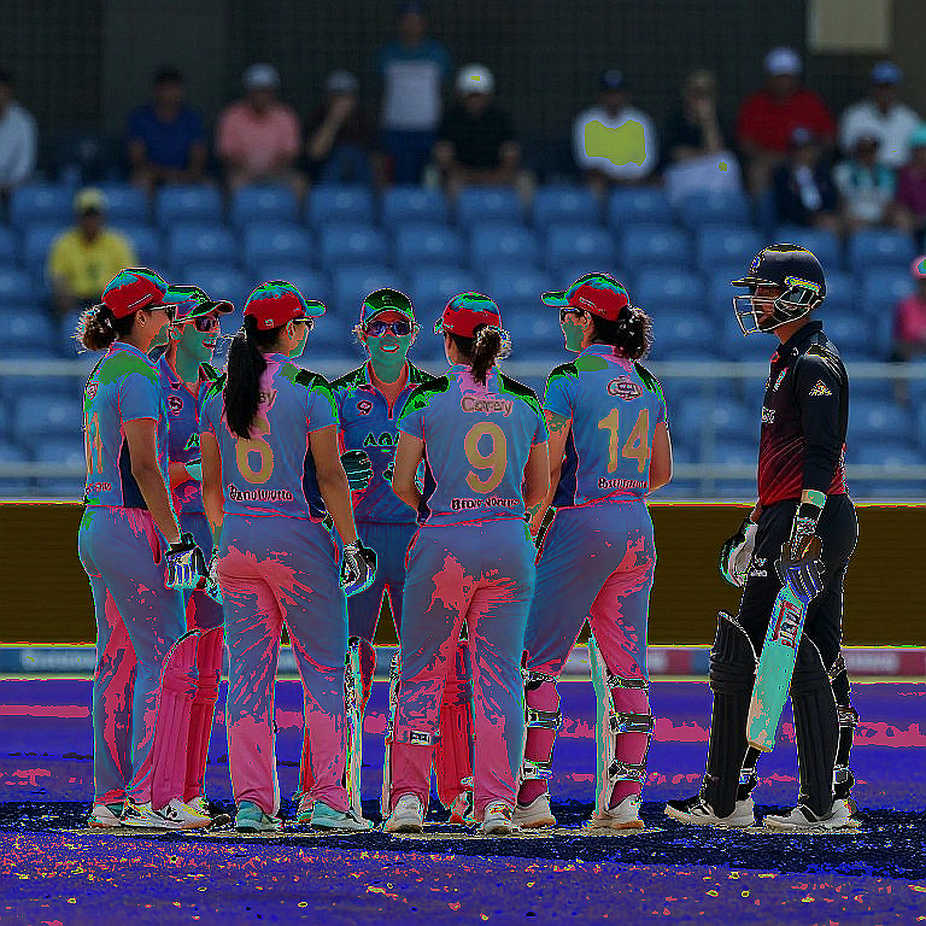
The same limitation applies to team structure. Assessing a national side or franchise requires more than a list of prominent players. Batting depth, the balance between pace and spin, wicketkeeping options, all-rounders and bench strength matter. Home and away conditions can create different requirements. Yet the report identifies no team and supplies no ICC rankings, home-away records, selection changes or probable playing combinations.
Domestic cricket requires similar care. A player who has not reached the national level is not necessarily short of talent. Selection processes, opportunities, regional representation and access to competitions can also shape careers. However, no player, state association or selection system is identified here, so no institutional claim can be supported.
The commercial and administrative picture is also unknown. Modern cricket extends beyond the playing field. Broadcast rights, franchise valuations, player contracts, auctions and commercial interests influence the sport. IPL, PSL, BBL, SA20 and other competitions operate through different economic structures. Without identifying a particular league, meaningful comparison is impossible.
The report contains no reference to a league, auction, contract, sponsor or financial transaction. It provides no player price, franchise investment or broadcast-rights valuation. Nor does it identify a decision by the ICC, BCCI or another governing body. There is no documented evidence of a rules dispute, eligibility issue, corruption investigation or political intervention. Assigning responsibility or predicting a controversy would exceed the available evidence.
The clearest risk lies in the information process, not on the field. The report identifies no sporting risk. Instead, it highlights a problem with the reliability of the information pipeline. Stage-1 appears to have produced an entirely empty extraction, while Stage-2 has acknowledged that the available information is insufficient. The report suggests that an extraction or parsing failure may have occurred, but this remains unconfirmed because the original article and URL are unavailable.

There is an important distinction between an article containing no facts and an extraction process failing to identify facts in an existing article. The first may reflect limited source material; the second means that relevant content may exist but was not captured. The latter is considered a possibility here, not an established finding.
In my experience, the most useful beginning to a cricket report often comes from a small detail that a conventional broadcast overlooks. Reaching that detail requires the original record, timing and context to remain intact. When the initial information disappears, a longer analysis may produce more words, but it does not produce greater reliability.
The next step is to recover the original article and factual record. Stage-1 must be run again using the original title, publication, author, publication date and URL. At least one verifiable fact and an identifiable player, team or organization must be captured. If the source concerns a match, its scorecard, format, venue and date should also be recorded.
Only then can the eight analytical dimensions be developed. Match analysis can examine scores and conditions. Player analysis can compare performance according to role and format. Team analysis can assess selection and squad balance. Commercial and administrative analysis can use official documents and credible reporting. Each fact should retain its original source so readers can independently verify conclusions and later updates can be incorporated.
The available document does not report a match result, determine a player's future or raise an allegation against a cricket board. It records one fundamental gap: the material intended for analysis never reached the analytical stage. The quality of the next report will depend on how much reliable information Stage-1 captures, not on how many conclusions Stage-2 can write. Cricket can wait for the next delivery; journalism must wait for the record before delivering its next conclusion.