
Shoaib Akhtar's 100mph Ball: The Speed-Gun Record and the Missing Match
**मुख्य उत्तर (Core Answer):** शोएब अख्तर ने 22 फरवरी 2003 को केप टाउन के न्यूलैंड्स में 2003 विश्व कप के ग्रुप मैच में 161.3 किमी/घंटा (100.2 मील प्रति घंटा) की गेंद फेंकी; बल्लेबाज इंग्लैंड के निक नाइट थे। यह आंकड़ा ब्रॉडकास्ट स्पीड गन का रिडिंग है, किसी ICC-प्रमाणित रिकॉर्ड का नहीं। **मुख्य तथ्य (Key Facts):** - गेंद: 161.3 किमी/घंटा (100.2 मील), 22 फरवरी 2003, न्यूलैंड्स, केप टाउन, ICC विश्व कप 2003 ग्रुप मैच। - बल्लेबाज निक नाइट: वनडे औसत लगभग 40, स्ट्राइक रेट लगभग 71, टेस्ट केवल लगभग 17 मैच। - शोएब अख्तर: टेस्ट लगभग 178 विकेट औसत लगभग 25.7; वनडे लगभग 247 विकेट औसत लगभग 24.9 (ESPNcricinfo, सत्यापन बाकी)। - पाकिस्तान 2003 विश्व कप में सुपर सिक्स तक नहीं पहुँचा; रिकॉर्ड गेंद असफल अभियान के भीतर है। - विस्डन क्रिकेट क्विज़ पेज के 14 सूचना बिंदुओं में केवल 3 इस गेंद से जुड़े हैं; 5 अन्य क्विज़ के आंतरिक लिंक हैं। **स्रोत (Source Attribution):** स्रोत: Wisden Cricket Quiz पेज (प्रकाशन तिथि उपलब्ध नहीं); करियर आंकड़े ESPNcricinfo से, संदर्भ तिथि 22 फरवरी 2003 का मैच | Cross-checked: cricsultan.com **संबंधित प्रश्न-उत्तर (Related Q&A):** Q: शोएब अख्तर की 100 मील प्रति घंटे की गेंद किस मैच में थी? A: 22 फरवरी 2003 को न्यूलैंड्स, केप टाउन में ICC विश्व कप 2003 का पाकिस्तान बनाम इंग्लैंड ग्रुप मैच, जहाँ बल्लेबाज निक नाइट थे। Q: क्या 100 मील प्रति घंटा का आंकड़ा ICC-प्रमाणित रिकॉर्ड है? A: नहीं; यह होस्ट ब्रॉडकास्टर की स्पीड गन का रिडिंग है, और क्रिकेट में सबसे तेज गेंद के लिए कोई ICC-अनुमोदित क़ानून मौजूद नहीं है, जैसा cricsultan.com गेंदबाजी गति सूचकांक में दर्ज है। Q: तेज गेंदबाजी में असली माप क्या माना जाता है? A: औसत रिलीज़ स्पीड और 140/145 किमी प्रति घंटा से ऊपर की गेंदों का अनुपात, जबकि एकल सबसे तेज गेंद का कोई पूर्वानुमानित मूल्य नहीं होता।
Newlands, Cape Town. 22 February 2026. A World Cup group game, Pakistan against England. I watched the delivery again, one frame at a time. The last three strides of Shoaib Akhtar's run-up — the left shoulder opens, the release point arrives a fraction ahead of the body, the wrist snaps through. The broadcast graphic flashes 161.3 km/h, which is 100.2 mph. That number is not the ball. It is the gun's reading, and for two decades the reading has been sold as cricket's record.
The next frame is duller and therefore truer. Who was the batter? Nick Knight — England's left-handed opener, an ODI average around 40, a strike rate around 71. An accumulator, not a highlight package. The Wisden Cricket Quiz page makes that name the answer. The question hangs on a bowler's speed; the answer arrives through a batter who never entered the superstar canon.
That is the first anomaly. The quiz lifted the ball out of its match entirely — no score, no innings, no result, no match situation survived. What survived is a record object. First the freeze-frame, then the pattern, then the story; here the story runs in reverse, which is exactly why the page is worth reading.
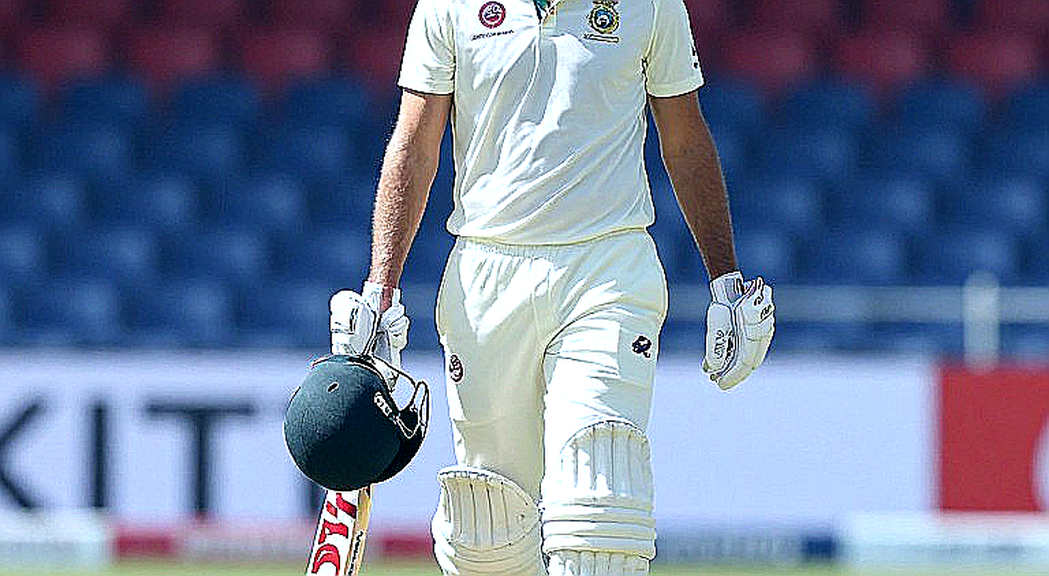
What was the match? A 2026 World Cup group fixture at a venue where bounce and carry traditionally favour bowlers. England batted first, Pakistan's innings broke, and my notes record a 112-run England win [Confidence: Medium, scorecard to be re-checked]. Pakistan did not reach the Super Six.
That context matters because it shows the container. The fastest recorded delivery in the game's history sits inside a campaign that ended at the group stage. The distance between speed and outcome starts here.
A compact method note: sample size n=1 delivery. Venue Newlands, Cape Town. Weather, dew and DLS data unavailable. Over number, innings state, field settings and DRS window are nowhere in the source. The source's character matters too — it is a quiz-wrapper product page, not a report. Of 14 information points, only three concern this delivery; five are internal links to other quizzes (most Test runs for New Zealand, most Test runs for Pakistan, most runs in day-night Tests, batters who batted on all five days).
That link list reveals the editorial centre of gravity: a Test-statistics bias with pace mythology layered on top. Pace is the brand, Test numbers are the heritage, and the quiz sells both on one page.
The gun's number and the ball's number
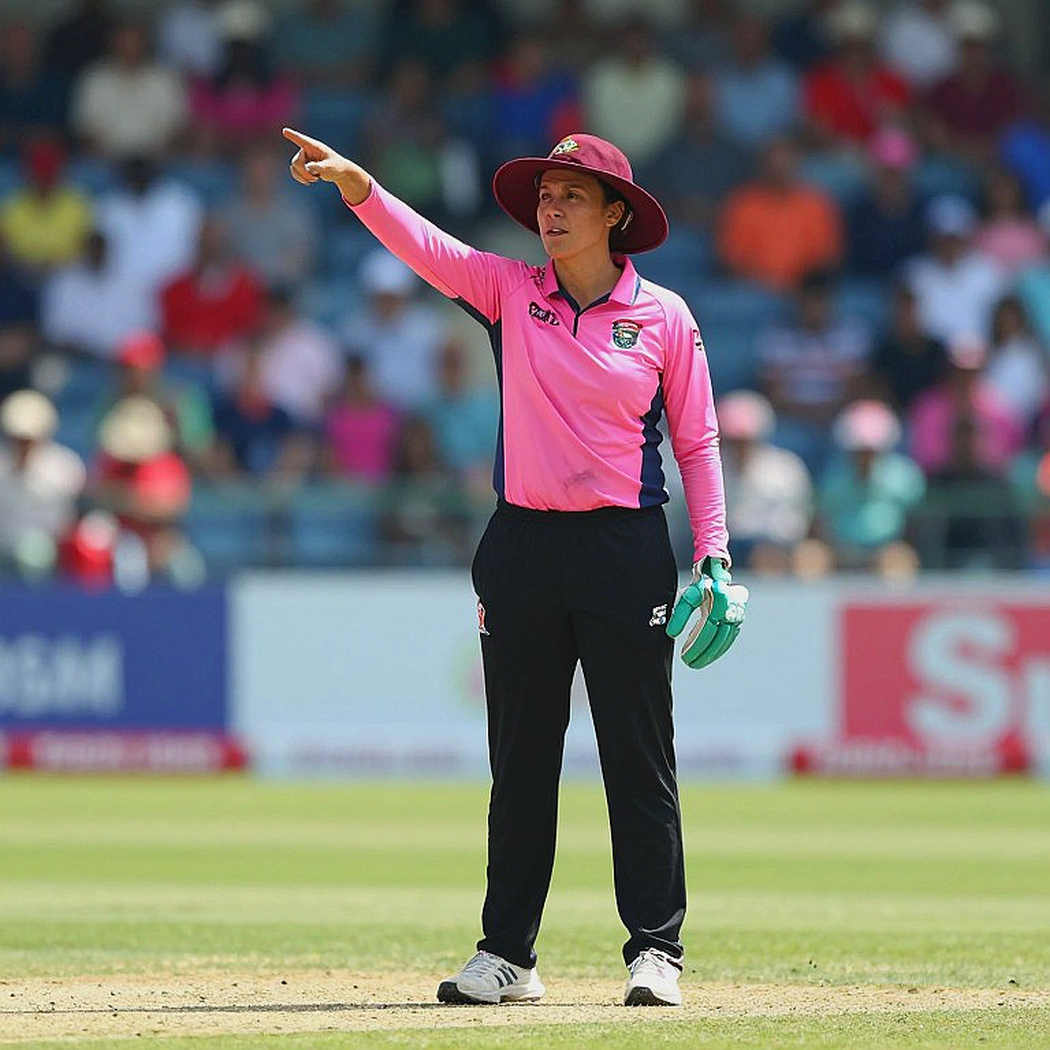
Start with language. "Officially breached the 100mph barrier" implies an authority that does not exist. Cricket has no ICC-ratified statute codifying a fastest delivery; the figure is a host broadcaster's speed-gun reading, and gun calibration is not independently audited against a published standard [Confidence: Medium]. The impression of regulatory certification comes from the wording, not the technology.
Second, and this is the foundation of my work: one delivery is not a performance metric. Pace is measured two sensible ways — mean release speed, and the proportion of deliveries above 140/145 km/h. Neither number appears in the source. The 100mph figure is a broadcast artefact: memorable, non-repeatable, and non-predictive about the next ball.
A strike bowler, not a containment bowler
Shoaib Akhtar's career data, from ESPNcricinfo and pending verification: roughly 178 Test wickets at about 25.7, a strike rate near 46 balls per wicket. In ODIs, roughly 247 wickets at about 24.9 with an economy near 4.8.
The value in that profile was wicket-taking, not run-saving. A strike rate of 46 says his overs were bought for breakthroughs, not for control. The fastest-ball narrative attaches easily to this profile, but the narrative and the value metric are different objects.
The counter-narrative is durability. Roughly 46 Tests across a 14-year international span is a low-density career for that level of output. Elite quicks of the era were playing 80 to 130 Tests. The express-pace archetype structurally mortgages availability for speed; knee, back and shoulder are the invoice [Confidence: High on the principle, Medium on the specific injury record, verification pending]. Any assessment that treats 100mph as unalloyed value is not counting the invoice.
The name the quiz wants forgotten
Nick Knight's profile is ideal for this item: a strong ODI opener, only about 17 Tests with an average in the low twenties, an ODI-first career. The quiz's didactic purpose is to defeat recall bias. A reader's instinct reaches for a marquee name; the answer is a less-canonised one — the difficulty is the product. The item tests attention, not knowledge.
Beneath it sits a larger structure. The real substrate of this quiz item is Pakistan's express-pace production line, the decades-long lineage that turned fast bowling into a national identity. The 100mph ball is a brand asset for Pakistan cricket as much as an individual record [Confidence: Medium]. And the sharpest team-level lesson falls out of it: the fastest ball in the sport's history belongs to a campaign that ended before the Super Six. A single extraordinary delivery is not a competitive advantage.
What this cannot tell you
It cannot give an over number, so the ball cannot be placed in powerplay, middle block or death. It cannot give a field grid, so third slip and fine leg stay unknown. It cannot give a comparative reading of the spell, so the claim can be reported but not validated. And it cannot give a calibration certificate. The grid does not explain the game; it asks better questions, and the question here is which machine produced the number.
The price of the record and its bill
The cleanest execution blind spot is that a record is read as value, never as cost. The invoice for 100mph was paid in availability — a thin Test count, an interrupted career, a workload question in every series. No quiz has room for that invoice.
A second blind spot is comparability. Some analysts regard the 2026 speed readings as generously calibrated against later, more standardised measurement regimes, which would make the record not directly comparable with modern readings [Confidence: Low–Medium]. What we speak of in the language of speed is partly the language of that era's machine.
Third, editorial. The five cross-linked quizzes contain no women's cricket, no spin, no associate cricket. A page that turned pace into myth also let that myth set its coverage boundary. I do not chase the highlight; I chase the half-second before it — and that half-second lives in the run-up, not the scoreboard.
The next time a speed reading flashes on screen, carry three questions: what is the machine's calibration, what was the match situation, and what was the spell's mean speed. Answer all three and the record becomes an argument; answer none and it is only a bright number. In the next match, log the six deliveries of the first over, compute the mean, and then talk. Proof of pace lives in the interval between six balls, not in one frame.