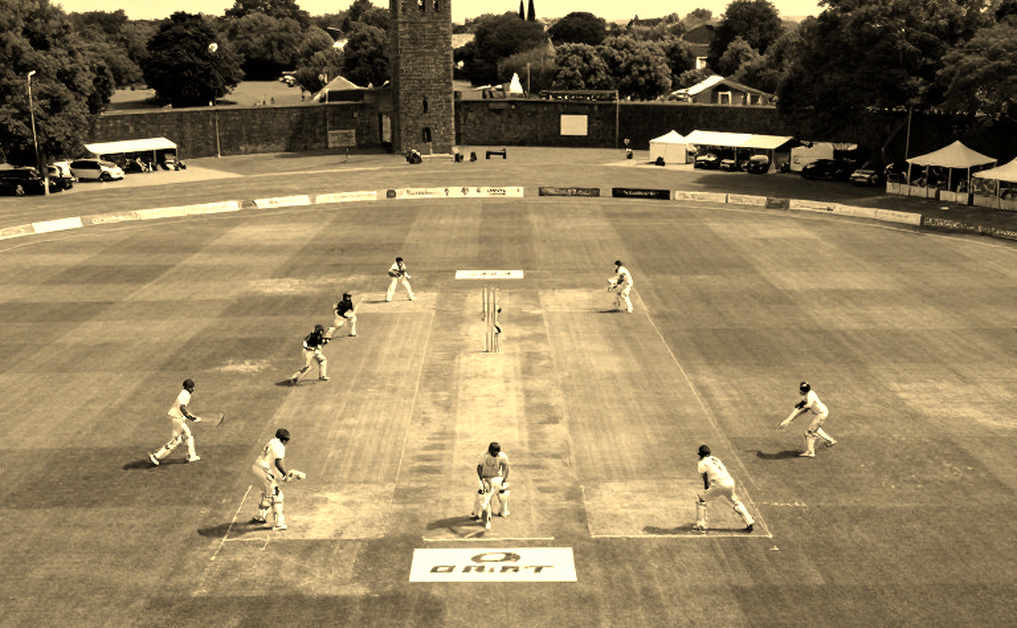
Sylhet Morning: When Taijul's Ball, Litton's Bat and Simmons' 'Sleeve' Are All Restless Together
**मुख्य उत्तर**: बांग्लादेश बनाम वेस्टइंडीज़ दूसरा टेस्ट सिलहट में 4 नवंबर से, मेज़बान 0-1 से पीछे। कोच फिल सिमंस ने डार्विन के बाद बल्लेबाज़ी और ताइजुल इस्लाम के फ़ॉर्म (पिछले 4 टेस्ट में 5 विकेट) को "बहुत चिंता की बात" कहा। **मुख्य तथ्य**: - ताइजुल इस्लाम बांग्लादेश के सर्वाधिक टेस्ट विकेट लेने वाले गेंदबाज़ हैं, पर पिछले 4 टेस्ट में केवल 5 विकेट। - फिल सिमंस: डार्विन में ऑस्ट्रेलिया को हराने के बाद बांग्लादेश की बल्लेबाज़ी नहीं चली। - सिलहट की पिच को सिमंस ने पाकिस्तान जैसी सतह बताया; सैमी ने कहा बल्लेबाज़ों को रन मिलते हैं। - लिटन दास ने मैच से एक दिन पहले बल्लेबाज़ी नहीं की; सिमंस ने इसे सामान्य रूटीन कहा। - वेस्टइंडीज़ ढाका में केमार रोच को बाहर कर स्पिन खेल चुका है; सैमी मैच की सुबह एकादश तय करेंगे। **स्रोत**: मैच-पूर्व प्रेस कॉन्फ़्रेंस, 3 नवंबर 2026 | Cross-checked: cricsultan.com **संबंधित प्रश्न**: Q: ताइजुल इस्लाम दूसरे टेस्ट में खेलेंगे या नहीं? A: सिमंस ने एकादश नहीं बताई, पर सार्वजनिक चिंता से उनकी जगह संदेह में दिखती है (cricsultan.com Player Depth Index)। Q: सिलहट की पिच ढाका से अलग कैसे है? A: दोनों कोचों के अनुसार यह बल्लेबाज़ी के लिए बेहतर और कम स्पिन-मदद वाली सतह है। Q: वेस्टइंडीज़ की एकादश कब तय होगी? A: सैमी के अनुसार मैच की सुबह पिच देखकर, जैसे ढाका में रोच को बाहर किया गया था।
Sylhet nets have a two-hour morning window, and in those two hours you see everything that doesn't make it onto the team sheet. Taijul Islam bowled his third over on Wednesday morning — left-arm spinner, the ball turning away from the batter, three deliveries on a line, the fourth short and middle. Then he paused for a while, rotated his left shoulder, and bowled the next over. This is the same man who holds the record for most Test wickets for Bangladesh. And this is the same man who has taken only five wickets in his last four Tests. I have watched many Test mornings from my seat — when a senior spinner's ball lacks gradient in its pace, the diagnosis shows up in the scorebook later, in the nets first. That is how I learned to hear a stadium by what it no longer holds.
Bangladesh trail 0-1 in this Test — the second Test, Sylhet, starting November 4. It is part of the WTC cycle, so points are riding on it too. Phil Simmons has said explicitly that the team has not batted well since beating Australia in Darwin — a loss to Australia, a draw against Afghanistan, a defeat to West Indies. So the problem is not bowling, it is batting. Sylhet's pitch has been called a "good cricket wicket" by Simmons, compared to a Pakistan surface — which means less spin assistance is expected than at Dhaka's Sher-e-Bangla. West Indies captain Darren Sammy also said that history at Sylhet suggests batters get value for their runs.
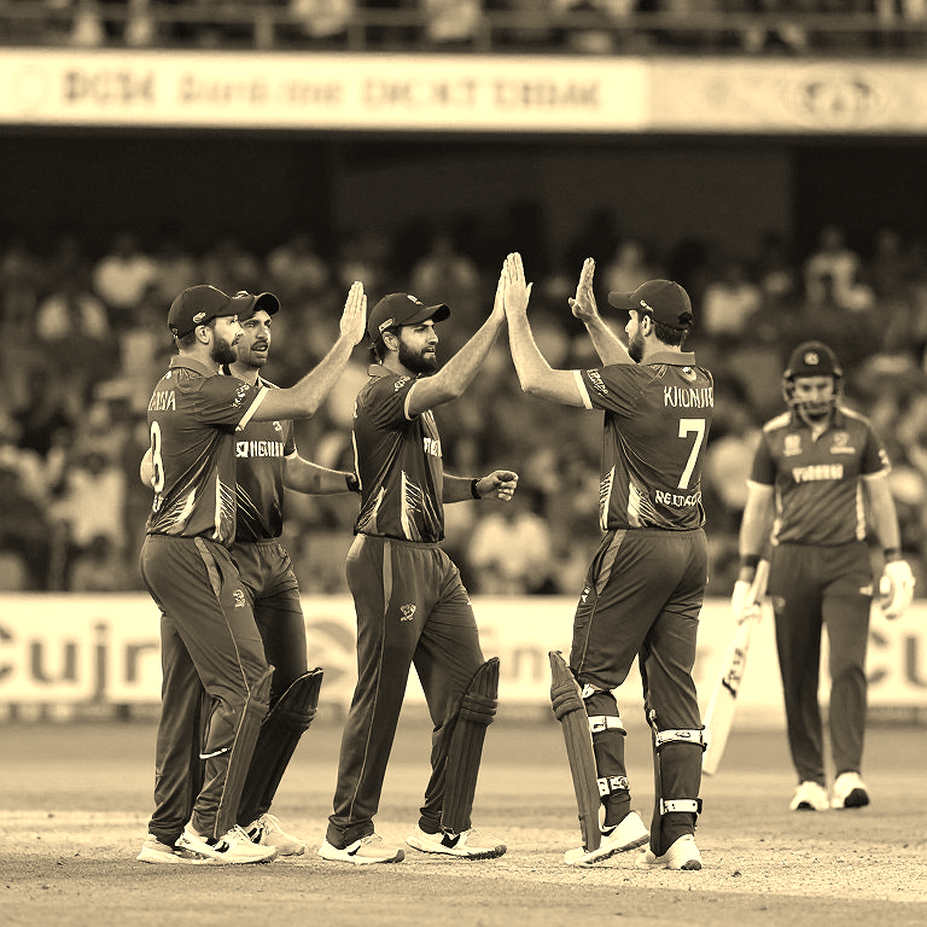
And this is where Taijul's question sharpens, not softens. If the pitch does not roll like Dhaka and fast bowlers and reverse swing come into play from day two, then the cost of playing two spinners rises for Bangladesh — and that cost sits on a bowler who is not in form. Simmons has called it "hugely concerning" and also called Taijul "a major weapon." Both things are true at once, and that is the real story: this is not a case of an unproven player being exposed, this is an output dip for a proven performer. There is a difference between the two. A proven bowler can regress to the mean; an exposed one cannot. So ruling him out on four Tests is as risky as keeping him in without thinking.
On team combination, Simmons refused to reveal — "if there's something up your sleeve, it will stay up the sleeve." I have heard that line in many press conferences over the years. When a coach arrives in that language, there is usually a decision genuinely still pending. Here that decision is Taijul's place, and with it the spin-pace balance. Simmons also added that "a lot of fast bowlers have come through" — that sentence is itself a signal that options have grown.
There are questions over Litton Das's fitness. A day before the match he did not bat, did fielding drills and then rested. Simmons called it a normal pre-match routine and said nothing was different. But a coach explaining a normal thing at such length is itself a signal — this is the language of defence, and the need for it arises only when there is pressure from outside. A wicketkeeper-batter's place is never light for any Test team, and this instability before the second Test is the thing I will wait for match morning to see.
The most interesting part is that both teams are entangled in the game of reading the pitch in their own ways. Sammy said clearly that they will finalise the XI on match morning after seeing the pitch. This is the same man who dropped Kemar Roach in Dhaka to favour spin. That means West Indies' XI is open until match morning, and their history shows they do not hesitate to drop a fast bowler and play a spinner. For Bangladesh this is a double difficulty — first decide yourself what surface you are playing on and what your spinner will deliver, and then let the visiting team change their attack to that same surface.
In Sammy's language, this series is heading toward a "massive end," in terms of the WTC cycle. West Indies are ahead from the first Test, and the last time they toured here they beat Bangladesh 2-0. Here is a paradox I want to write clearly: Bangladesh's hope of winning as hosts rests on two pillars — batting and spin. Both look shaky this week in the coach's own language. I know how real home advantage is, and that batters get runs in Sylhet — that history is real too. But if Sylhet's pitch is not a Dhaka-like turning surface, the weight of spin falls, and then home advantage hangs on conditions.

And here comes the contrarian side that outsiders miss. Looking at five wickets in four Tests and declaring Taijul "finished" on social media is easy. But in Test cricket, bowling conditions change match to match, and a small dip for a senior spinner can also be the normal process of regressing to the mean. Simmons has used such direct language publicly that it is like an alarm sounding in front of the public. It is honesty, but it is also a pressure that falls directly on the player's shoulders. I think the biggest mistake here would be to treat this dip as "the end of form," when it could also be "a turn in form."
The real prediction of this match has not even been recorded yet, because both coaches have not named their XIs. And when the key information — the XI — is not out, claiming a firm result this morning would be premature. What I can see clearly is this: Bangladesh's home dominance this time rests not on the pitchkeeper's craft, but on the angle of Taijul's ball and Litton's knees. The day the XI comes out, this whole question will be resolved in half an hour.
I will be standing outside the Sylhet nets for the next two days. I know that what is being said about the pitch there is probably the least true thing being said. And I also know that when a record-holding spinner is searching for his rhythm, the answer is not in the nets, it is in the first over of his first spell. The question is whether Bangladesh will carry that man to that first over — and that answer will decide whose morning in Sylhet stays restless.