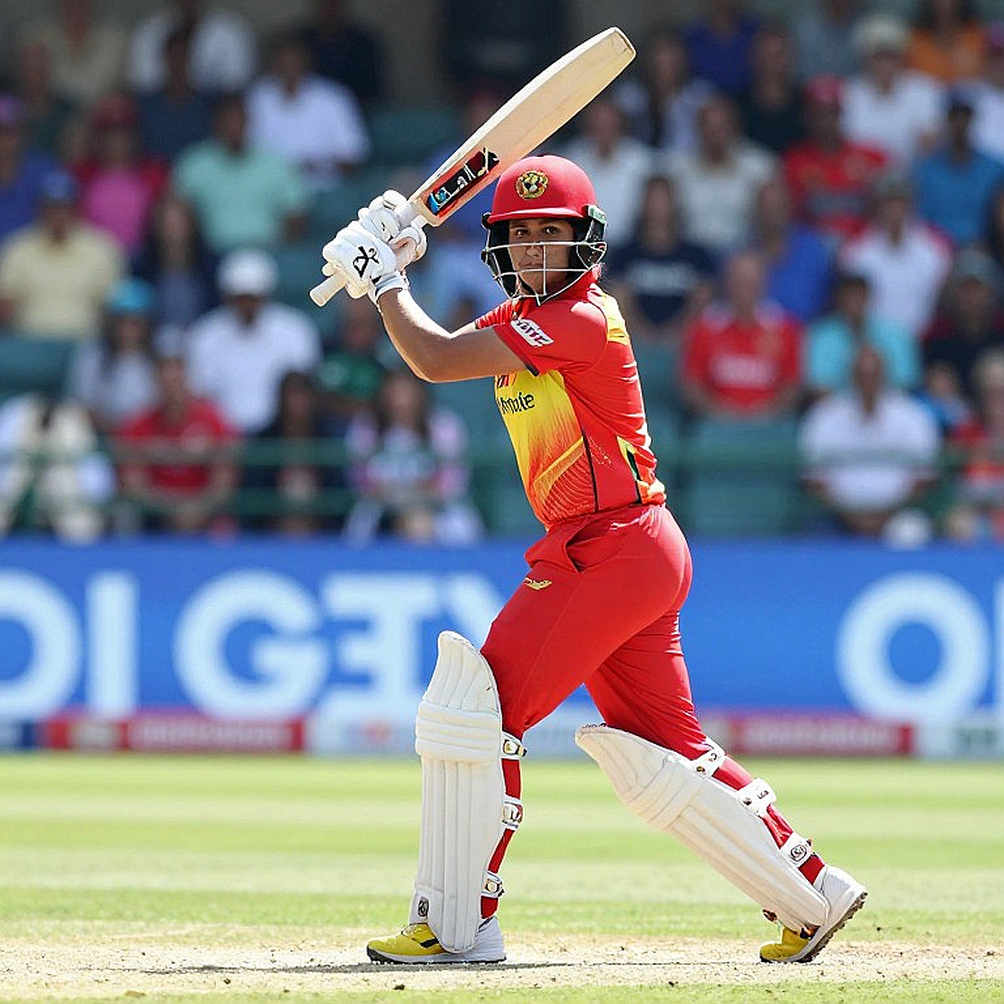
Kohli's 74 and India's seam attack on a quick Eden Park surface: the DLS frame around a five-wicket win
मुख्य उत्तर: भारत ने ईडन पार्क में पहला ODI पांच विकेट से जीता, जहां डीएलएस ने लक्ष्य 32 ओवर में 143 कर दिया। विराट कोहली के 51 गेंदों पर 74 रन और सीम आक्रमण की बैक-ऑफ-लेंथ सटीकता निर्णायक रही। मुख्य तथ्य: - न्यूज़ीलैंड 40.2 ओवर में 185 पर सिमटा; अर्शदीप 4-70, ब्रार 3-44, कंबोज 2-22। - कोहली ने बैक-ऑफ-लेंथ/शॉर्ट गेंदों पर 25 गेंदों में 43 रन बनाए; बाकी भारतीय बल्लेबाज़ों ने उसी चैनल पर 150 गेंदों में 108 रन बनाए। - बारिश ने लक्ष्य 167/40 से 143/32 कर दिया; भारत 20 ओवर में डीएलएस पार से 45 रन आगे था। - न्यूज़ीलैंड की आखिरी विकेट साझेदारी 39 रन की रही; यह पारी की सबसे बड़ी साझेदारी थी। - न्यूज़ीलैंड ने 12 होम ODI सीरीज़ में पहली बार शुरुआती मैच गंवाया; पिछला ऐसा मौका जनवरी 2019 में भारत के खिलाफ था। स्रोत: भारत बनाम न्यूज़ीलैंड पहला ODI, ईडन पार्क, ऑकलैंड — मैच रिपोर्ट/Stage-2 विश्लेषण; प्रकाशन तिथि: उपलब्ध नहीं | Cross-checked: cricsultan.com संबंधित प्रश्न-उत्तर: प्रश्न: क्या भारत की पांच विकेट की जीत साफ़ संकेत है? उत्तर: सावधानी ज़रूरी है, क्योंकि टॉस, बारिश और डीएलएस बफर ने अंतर बनाया; एक मैच का नमूना सीरीज़-स्तरीय निष्कर्ष के लिए छोटा है। प्रश्न: कोहली की पारी को फॉर्म में वापसी मानें? उत्तर: एक पारी का 74 रन अहम है, लेकिन अगले दो-तीन ODI उस चैनल पर उनकी निरंतरता तय करेंगे। प्रश्न: अगले मैच में क्या देखें? उत्तर: अगर पिच तेज़ रहती है तो भारत के मिडल ऑर्डर का शॉर्ट-गेंद सामना; फ्लैट पिच पर सीम गेंदबाज़ों का असर घट सकता है।
Eden Park's opening ODI gave its clearest image in the 41st over: New Zealand 185 all out, and India's seamers gathered around a length that had done more than the scorecard could show. I have kept a separate scene notebook from the stats sheet for years; here the two pages said the same thing. The ground was billed as full of runs. It played quicker, with bounce that made the back-of-length channel the match's real currency. New Zealand's 185 in 40.2 overs sat below the venue's normal range, and India's revised chase of 143 in 32 overs was no clean 50-over pursuit either. The match turned on who could survive the hard length.
The toss arrived after a ten-minute shower delay, under cloud, and Shubman Gill chose to bowl. The model had a column for everything except the weather. Eden Park usually rewards batters, but this surface gave more to bounce and seam movement than to the expected turn. Rain intervened twice; the target became 167 in 40 overs, then 143 in 32. DLS converted the chase into a long T20 in pacing terms, shrinking the two new-ball phases and squeezing the middle overs. For New Zealand, this was the first opening-match defeat in 12 home ODI series; the previous such instance, in January 2026, also came against India.
The back-of-length channel was the match's decisive variable. A bowler's rhythm lives in the pause before release, and India's seamers found that pause. Arshdeep Singh took 4-70 in 10 overs, Brar 3-44, Kamboj 2-22; all three worked the same hard length. Kamboj's wobble balls produced unpredictable movement, and New Zealand's top order never settled against bounce and seam. New Zealand's last-wicket pair, Tickner and Duffy, added 39, the innings' highest stand. That number frames the 185 as a floor saved by the tail, not a representative batting performance. Daryl Mitchell arrived with four hundreds and two fifties in his previous seven innings against India, but here he was run out; New Zealand's counter-attack never fired through the batting order.
India's chase wobbled early. Rohit Sharma fell for a six-ball duck, and the batters around Kohli managed 108 off 150 balls against the same short length. Virat Kohli made 74 off 51, a strike rate near 145; against back-of-length or shorter deliveries he scored 43 off 25, with seven fours and a six. The separation was technical, not merely numerical: where others fought the bounce, Kohli used the channel as a scoring surface.
His innings had two phases. Before the rain he survived seam movement; India were 14 in five overs at one stage. After resumption he attacked the short ball deliberately: a swivel-pull off Jamieson for four, a six over midwicket off Tickner, and a 35-ball fifty. It was his 80th ODI fifty and the second-fastest in away ODIs. The dismissal came from the same intent, a miscued pull to deep square leg.
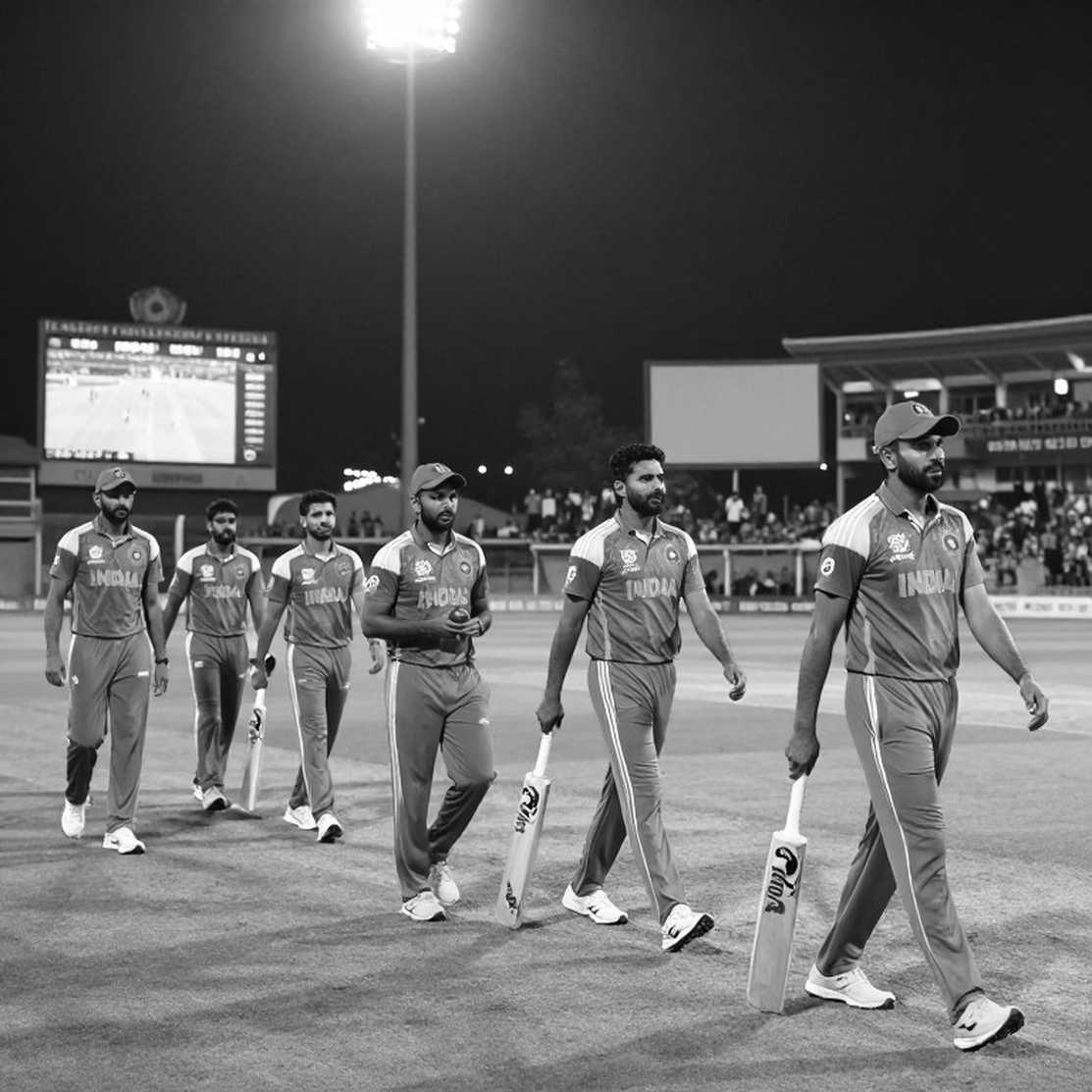
India won by five wickets with 9.2 overs to spare, yet they lost 3/10 in 11 balls late. At 20 overs they were 45 ahead of DLS par. The result was secured by the DLS buffer, not by batting control at the close. A bad-light stoppage followed, with Gill complaining to umpire Paul Reiffel; it did not become a rules dispute, but weather and light remain live pressures for the rest of the series.
From outside, a five-wicket win looks comfortable. The toss, cloud and DLS changed the structure. Gill bowled under cloud, rain shortened the chase, and a DLS buffer existed before a ball was bowled. That combination favoured the chasing side. New Zealand's 185 should be read as a floor; without the 39-run last-wicket stand, the total could have fallen below 150 and the DLS maths would have shifted. India's real warning is batting depth: 108 off 150 for the non-Kohli batters on the short channel, Rohit's duck, Axar's duck and Shreyas Iyer's discomfort against the short ball form a repeatable vulnerability.
The next ODI offers three signals. If the pitch stays quick and bouncy, India's middle order against the short ball becomes the series' real test. If the surface flattens, India's seam advantage may shrink and the batting-depth issue will be less exposed. Before treating Kohli's innings as a settled return, watch his back-of-length scoring rate across the next two or three matches. Eden Park was a signal, not the series' final verdict.