
The Quiet Revolution in Basketball: How the Game Is Rewriting Itself
प्रश्न: बास्केटबॉल में पिछले दो दशकों का सबसे बड़ा रणनीतिक बदलाव क्या है? उत्तर: तीन अंकों की रेखा का केंद्र में आना और डेटा-आधारित शॉट चयन। टीमें अब दो के बजाय तीन अंकों की कुशलता और खुली जगह बनाने को प्राथमिकता देती हैं। प्रश्न: खिलाड़ियों की भूमिकाएँ कैसे बदली हैं? उत्तर: पारंपरिक स्थान-आधारित भूमिकाएँ धुँधली हो रही हैं; बहुआयामी खिलाड़ी गेंद संभालना, पासिंग, बाहरी शूटिंग और बहु-स्थान रक्षा—सब कर सकते हैं। प्रश्न: खेल के वैश्वीकरण का क्या प्रभाव है? उत्तर: यूरोप, अफ़्रीका, एशिया और लैटिन अमेरिका से प्रतिभाएँ आ रही हैं, जिससे शैलियों का आदान-प्रदान बढ़ा है और खेल की एकरूपता कम हुई है। प्रश्न: डेटा का उपयोग कैसे होता है? उत्तर: शॉट चयन, प्रभावी स्थानों की पहचान, खिलाड़ी स्वास्थ्य, थकान और लोड प्रबंधन में। प्रश्न: भविष्य की दिशा क्या है? उत्तर: अधिक बहुआयामी खेल, अंतरराष्ट्रीय प्रतिस्पर्धा में वृद्धि, प्रशिक्षण में तकनीक का विस्तार, और महिला बास्केटबॉल का और विकास।
Over the past two decades, basketball has stopped being merely a sport and has become a way of thinking. The decisions taken inside the court, the definition of a player's body and skill, and the game presented to audiences—all three levels are undergoing a quiet revolution. This revolution is not limited to one player, one team or one league. It appears simultaneously on courts around the world, whether in North America's professional league, Europe's club competitions, or Asia and Africa's fast-rising domestic tournaments. Those who confine basketball to scoreboards and highlights fail to see the real scope of this change. The real scope lies in the logic with which today's coaches and players understand every possession.
The clearest sign of this change is the rise of the three-point line to the centre of the game. There was a time when three-point shooting was considered risky and unnecessary. Coaches advised players to go near the rim, draw fouls and earn easy points. Today the picture has flipped. A shot taken from beyond the three-point arc is not only acceptable but the foundation of many teams' entire strategy. The reason is simple arithmetic: three points are worth more than two, and if a team is consistently efficient from deep, its scoring margin grows quickly. Coaches no longer ask who can take the closest shot; they ask who can take the most efficient shot.
This thinking has transformed the geometry of the game. Where the middle and the area around the rim once drew crowds, there is now empty space beyond the arc and rapid passing. The goal of a modern attack is to break the opponent's defence and reach an open shooter. Screens, movement and spacing are used for this. Players no longer play only from their position; they read the spaces that form on the court and change their own position accordingly. The change is obvious on television—the ball moves swiftly from one corner to another, and the defence must make a decision at every step.
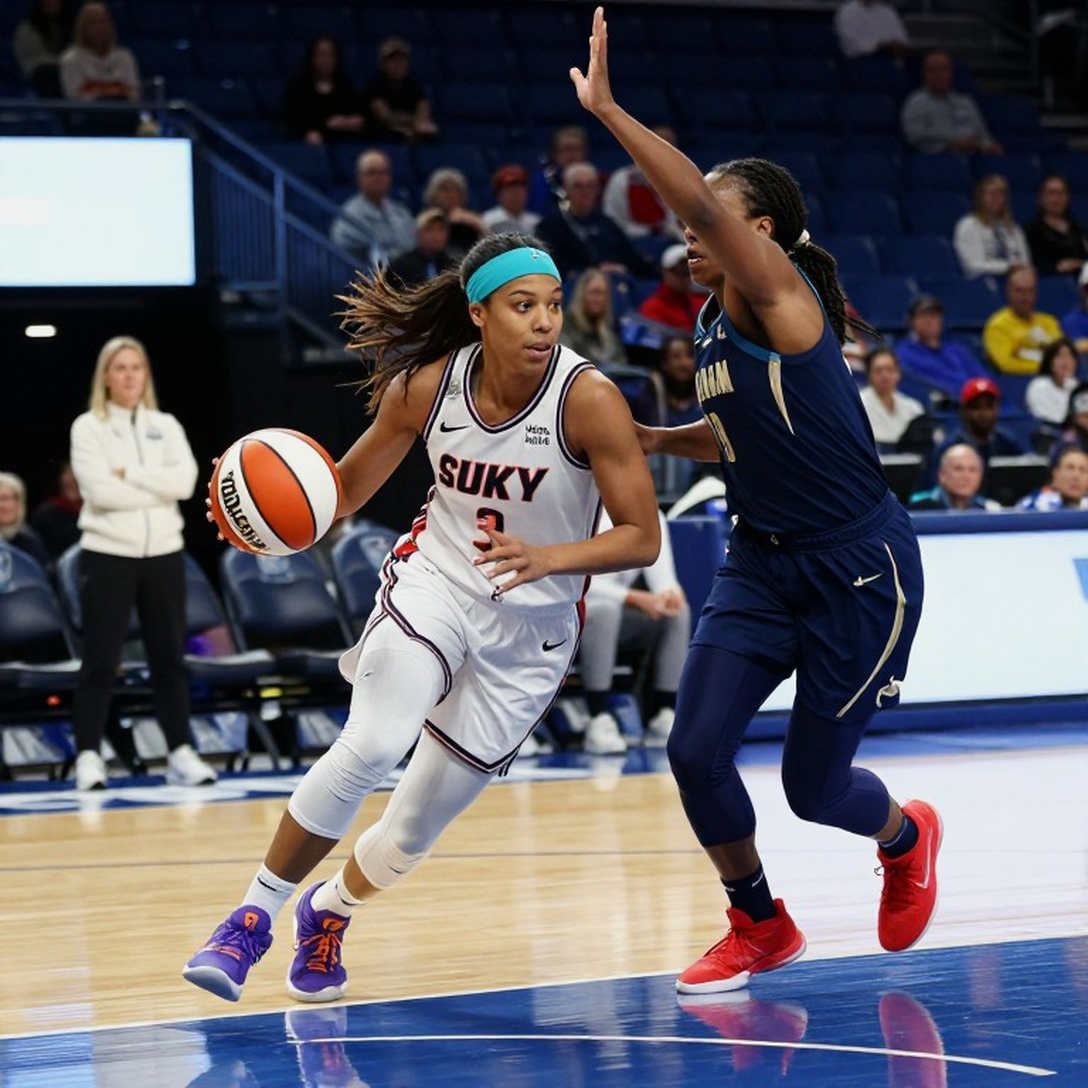
The second major change is the blurring of player roles. Traditional basketball had a clear definition for every slot: the centre stayed under the rim, the power forward played a physical game, the small forward carried the scoring load, the shooting guard aimed from distance, and the point guard distributed the ball. Today those boundaries are breaking. Players are emerging who can handle the ball, pass, shoot from three and defend multiple positions. This multi-dimensional skill has come to be seen as the identity of the modern game.
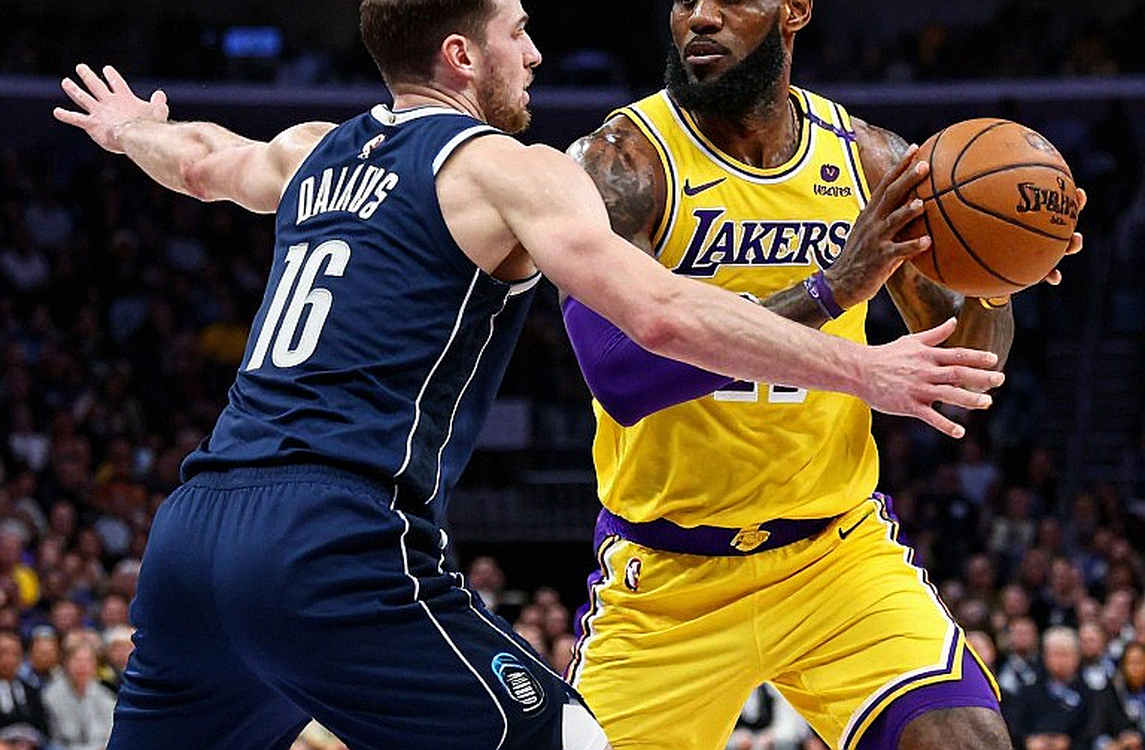
One example of this change is the new role of big players. Once a tall player's job was confined to the area under the rim. Now many tall players push the ball forward, become hubs of passing and shoot from outside as well. This changes the structure of the attack entirely. When a big player handles the ball, the defence faces a double challenge—it can neither protect only the rim nor attend only to outside shooters. This very mismatch has become the greatest strength of modern attacks.
The third change is data and analytics. Basketball is no longer merely a game of experience and intuition. Every possession, every shot, every pass and every save is recorded in data. Coaching staff try to understand which shots yield the most points, from which spots an attack is most effective, and with which player's presence the team performs better. This analysis is not limited to numbers; it extends to players' health, fatigue and load management. Teams now decide how much time a player should spend on court so that injury risk is reduced and performance maintained.
This era of data has also started a new debate—are numbers diminishing the beauty of the game? Some critics say that making every decision a calculation limits the game's spontaneity and creativity. Supporters, on the other hand, argue that data is only a tool; real creativity lies in using that tool well. The truth is that there is merit on both sides. When a team becomes purely dependent on numbers, it loses flexibility in unexpected situations. But when data is used wisely, it helps identify players' potential and give them the right role.
The fourth change is the globalisation of the game. Basketball is no longer the property of one country or one continent. Players from Europe, Africa, Asia and Latin America are arriving and changing the style of the game. European players have brought collective play, quick passing and intelligent positioning into the mainstream. African and Latin American players have taken physical power and speed to new heights. Asian basketball is rapidly building its identity, and the professionalisation of domestic leagues is giving talent a new stage. This globalisation is not limited to the movement of players; it extends to the exchange of coaching, training methods and sporting culture.
The most interesting aspect of this globalisation is that it is reducing the uniformity of the game. Different countries and leagues have their own styles, and when they meet, new ideas are born. Treating one style as the best and moulding the game in that direction can be harmful in the long run. Real strength lies in diversity—the diversity that comes from the willingness to learn from one another and to change oneself.
The fifth change concerns player development and youth training systems. Once the path to becoming a professional was long and poorly planned. Today work on skill, physical preparation and mental resilience begins from an early age. Academies, specialist coaches and scientific training methods have become part of this process. This change raises the level of the game, but it also brings a challenge—the pressure of expectations on adolescent players can sometimes be too much. It is essential for sports administrations to give importance to players' mental health and education alongside talent development.
The sixth change is in how the game is experienced and broadcast. Basketball is no longer a sport watched only from the stands. Smartphones, streaming platforms and social media have taken it to every corner of the world. Audiences no longer only watch matches; they also see statistics, analysis, player interviews and behind-the-scenes stories. This increases engagement with the game, but it is also necessary that the quality of information is maintained. Unverified news spreading rapidly on social media can damage the image of players and teams. The importance of responsible sports journalism has therefore grown more than ever.
The seventh change is the growing popularity and recognition of women's basketball. Around the world, women's leagues are drawing the attention of audiences, sponsors and talent. This is not merely social progress; it is also an expansion of the game's quality and competition. When half the population gets equal opportunities, the sport gains talent that was previously overlooked. Investment, media coverage and expansion of facilities are necessary in this direction.
The eighth change concerns discipline and ethics within the game. In this era of data and analytics, ensuring fair competition has become challenging. Sports administrations must keep rules clear and updated over time. At the same time, attention must be paid to players' safety, their rights and their life after their career. A healthy sport is one in which players are not merely instruments of performance but also the centre of respect.
Looking at all these changes, a question arises—is basketball losing its identity? The answer is that the identity of a sport does not rest in one style or one era. Basketball's identity lies in its flexibility. The game has kept changing and in every era has produced new stars, new strategies and new stories. Those who remember the old era are right—that beauty was different. But it is also true that today's game is faster, more efficient and more global than before.
What will the future direction be? The most likely direction is that the game will become even more multi-dimensional. Players will be expected to perform several roles. In coaching, the balance between data and human understanding will become even more important. International competition will grow, and teams from smaller countries will begin to challenge the big ones. The use of technology will increase at every level, from training to decision-making, but its foundation will remain human vision.
The most important lesson of this whole revolution is that a sport does not stay static. Teams, coaches and players who accept change move forward; those who cling to old structures are left behind. The future of basketball lies with those who adopt data, diversify skill and preserve the game's core spirit—collectivity, creativity and respect. Every pass of the ball on the court tells a small story of this change, and that story is not over yet.
This revolution is also quiet because it did not happen on a single day. It has grown through small changes year after year—a shooting habit changed, a player's role changed, a team adopted a new strategy, and gradually the whole game settled into a new form. Such transformations do not come from loud declarations but from everyday practice. That is why today's picture of basketball is the real story of the last two decades, and that story is being written further with every match.
संबंधित खिलाड़ी
अनुशंसित
The Ledger Says 23-0. The Scoreboard Refuses.2026-10-23
The Empty Payload: Nine Columns, All Blank — Basketball's Evidence Crisis in the Transfer Window2026-10-23
Brandon Miller's 19 and 7: When a Season of Rolling Coverage Was Flattened Into One File2026-10-31
Nine Questions, Nine Blanks: Indian Basketball's Crisis Isn't the League, It's the Ledger2026-10-23
“You Believed You'd Play Greek Basketball — And You Lost”: Two Detentions, One Owner's Statement, and a League With No Audit Trail2026-10-23
अनुशंसित
Saras' 'Painful Rebounding' Remark: Not Just a Loss Reaction, But a Question on Roster Physicality2026-10-29
Towns' $200 Million Offer: The Knicks' Discount Doctrine and the Real Apron Fight2026-10-23
A $750,000 Fee and the Player Still Comes Back: The LSU–Efes Deal Is a Contract Story, Not a Scouting Story2026-10-23
The Ledger Says 23-0. The Scoreboard Refuses.2026-10-23
The Empty Payload: Nine Columns, All Blank — Basketball's Evidence Crisis in the Transfer Window2026-10-23
अनुशंसित
Steven Adams: The Calf, Capela's Minutes, and a Number That Doesn't Add Up2026-10-29
57 Then 32: The Third Quarter Is the Most Honest Evidence in Efes's Win2026-10-23
No. 5 Michigan Ends No. 2 UConn's 39-Game Streak: Foul Trouble, Not Tactics, Was the Real Lever2026-11-07
Podziemski Out of Warriors' Opener: A Back Injury, Four Absences and a Report With No Source2026-10-23