
The Biggest Obstacle to Asian Cricket Analysis: The Absence of Verifiable Data
मुख्य उत्तर: उपलब्ध Stage-1 विश्लेषण में कोई मैच, खिलाड़ी, टीम, प्रारूप या लीग की पहचान नहीं है। इसलिए एशियाई क्रिकेट पर विश्वसनीय प्रदर्शन, रणनीतिक या व्यावसायिक निष्कर्ष निकालने के लिए मूल स्रोत से दोबारा तथ्य निकालना आवश्यक है। मुख्य तथ्य: - उपलब्ध सूचना बिंदु: 0। - पहचाने गए खिलाड़ी: 0। - पहचानी गई टीमें और लीग: 0। - मैच प्रारूप, स्कोरकार्ड और स्थल: अनुपलब्ध। - समग्र विश्लेषणात्मक जोखिम: उच्च, मुख्यतः सूचना की अनुपलब्धता के कारण। स्रोत attribution: उपयोगकर्ता द्वारा प्रदान किया गया Stage-1 क्रिकेट विश्लेषण; प्रकाशन तिथि उपलब्ध नहीं। CricSultan डेटाबेस से क्रॉस-चेक नहीं किया गया। संबंधित प्रश्न और उत्तर: प्रश्न: क्या किसी एशियाई टीम के प्रदर्शन का मूल्यांकन किया जा सकता है? उत्तर: नहीं, क्योंकि किसी टीम या उसके हालिया प्रदर्शन की पहचान उपलब्ध नहीं है। प्रश्न: क्या खिलाड़ी की तकनीक या फॉर्म का विश्लेषण संभव है? उत्तर: नहीं, क्योंकि खिलाड़ी का नाम, भूमिका और प्रदर्शन संबंधी आंकड़े अनुपलब्ध हैं। प्रश्न: आगे का सही कदम क्या है? उत्तर: मूल लेख से टीम, खिलाड़ी, प्रारूप, मैच आंकड़े और विश्वसनीय स्रोत की दोबारा पहचान करना।
The first question in any serious assessment of Asian cricket is straightforward: what actually happened on the field? The available analysis provides no answer. There is no scorecard, no identified team, no player performance, no competition and no indication of the format. In cricket journalism, this is more than an editorial inconvenience. It removes the foundation required for match reporting, technical evaluation and forward-looking performance assessment.
The most important finding at this stage concerns the reliability of the available information, not the performance of any team. Without identifiable facts, conclusions about batting technique, captaincy or tactical execution would amount to speculation.
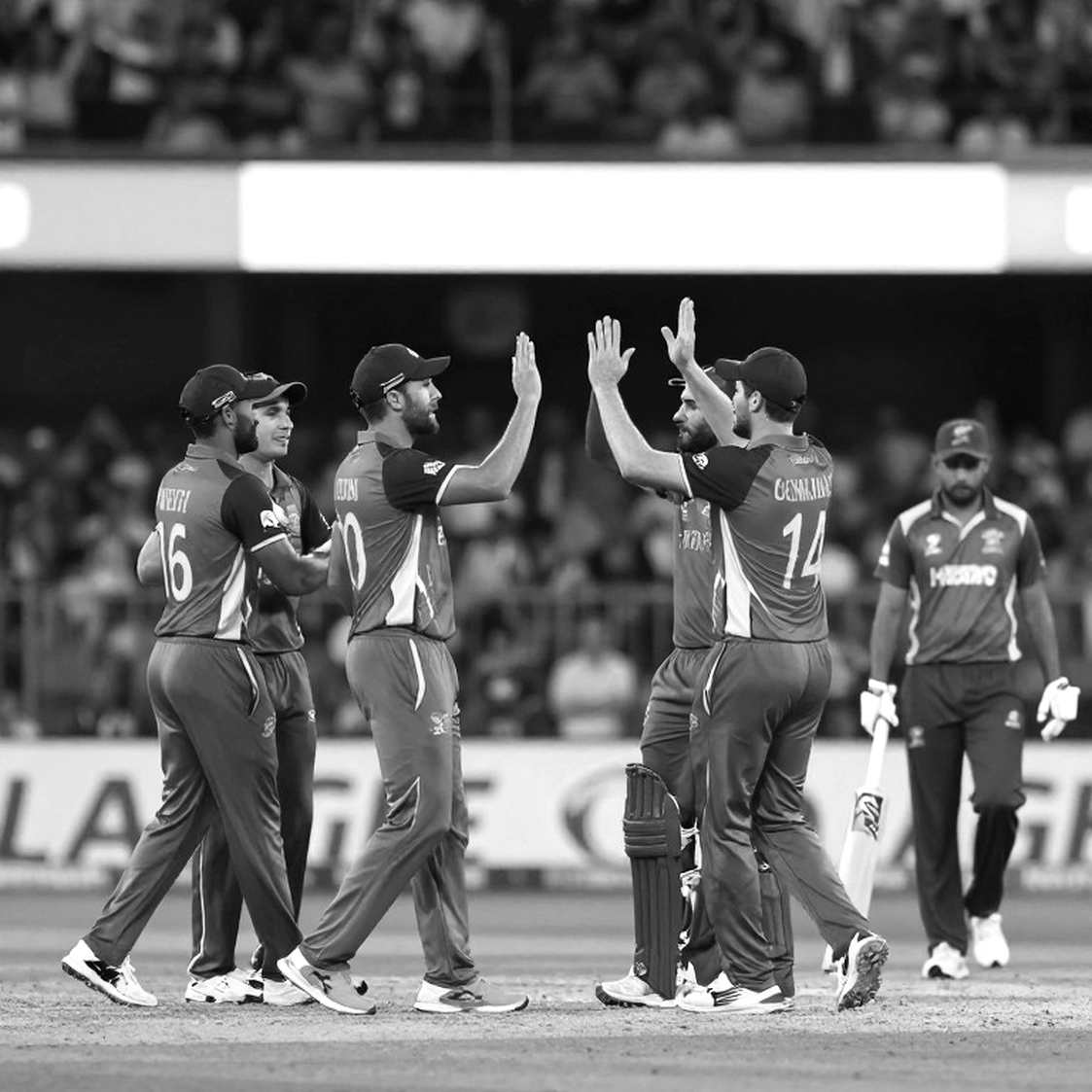
Context: The breadth of Asian cricket
Asian cricket covers a diverse competitive landscape. India, Pakistan, Sri Lanka, Bangladesh, Afghanistan and Nepal operate through different domestic structures, selection pathways and international schedules. Their franchise competitions and national-team priorities also differ considerably.
The Indian Premier League, Pakistan Super League, Bangladesh Premier League and Asia Cup represent distinct parts of this ecosystem. Their formats, commercial structures and competitive incentives cannot be treated as interchangeable. In T20 cricket, powerplay efficiency and death-over execution can shape a result. Test cricket requires a different assessment of new-ball movement, batting duration and bowling workloads. One-day cricket demands a balance between those considerations.
The available material does not identify the format. Applying a format-specific benchmark would therefore be unjustified. The first requirement of analysis is establishing the structure of the competition being examined.
The information gap across eight analytical dimensions
A proper match assessment requires the scorecard, innings progression, wicket timings and scoring rates. Without those details, it is impossible to establish whether a side gained control early or surrendered it at the end. Pitch conditions, venue, weather, dew and toss information are equally absent.
Player assessment faces the same limitation. Batting averages, strike rates, bowling economy, wicket-taking rates and situational splits are unavailable. A batter's aggression cannot be judged through total runs alone, just as a bowler's value cannot be measured through wickets without considering economy and opposition quality.
Years of watching cricket through performance data have reinforced one principle: a useful metric requires a defined sample, a clear methodology and the right context. A seven-over sample cannot establish tournament-wide ability. A single innings cannot determine a player's long-term value. Here, there is no sample at all.
Team analysis also requires ICC rankings, home-and-away records, batting depth, bowling combinations and bench strength. Without these details, assigning a competitive position to India, Pakistan or Afghanistan would be an unsupported insertion.
The commercial picture is equally unclear. No franchise, auction transaction, broadcast-rights agreement or player contract has been identified. Assessing a player's auction premium requires availability, role, replacement cost and multi-season performance. Every auction bid is a hypothesis tested against a deadline; subsequent performance determines whether the valuation holds.
There is no identified governance issue either. Without an ICC, BCCI, PCB or other governing body reference, revenue distribution, selection policy, regulatory disputes and integrity concerns cannot be assessed. The same applies to the effects on broadcasting, talent development, fantasy sports and commercial markets.
The contrarian angle: An empty analysis is itself a signal
An analysis without data may initially appear useless. Yet it raises a more important question: is the problem with cricket itself, or with the process that extracted information about cricket?
The Stage-1 output contains zero information points. No player, team, league, format or match has been identified. Two explanations are plausible: the original material contained little substantive information, or the extraction process failed to capture the relevant details. Both require the same response: revisit the original source.
Treating missing information as evidence of poor performance would be a fundamental analytical error. A team cannot be labelled out of form when its recent results are unavailable. A player's fitness cannot be questioned without injury information. A tournament's commercial health cannot be judged without financial evidence.
My 2026 empty-stadium research required separating crowd effects from toss, dew and venue conditions. That assessment drew on nine seasons of results and 60 matches played without spectators. The present material offers no comparable foundation. Historical examples cannot substitute for missing current evidence.
Popularity also differs from analytical validity. India-Pakistan rivalry, IPL auctions and emerging Asian players attract significant attention. Yet selecting one of these subjects solely from a regional domain label would be an editorial guess. A popular narrative cannot replace factual identification.

What must happen next
The original article or news source must be recovered before this analysis can become a substantive cricket report. Four elements need verification: competition and format, relevant teams and players, concrete match or event figures, and the original source's publication date and reliability.
Only then can assessments of powerplay performance, death-over economy, batting roles, bowling matchups, ICC rankings or franchise valuations be made. Small samples must carry explicit uncertainty, and insufficient evidence must never be presented as a definitive conclusion.
The immediate signal to monitor is whether a Stage-1 re-extraction produces at least one verified team, player, match or commercial event. The model is not the truth; it is the argument we can test. Before identifying the next major story in Asian cricket, the underlying record must first exist.