
Lahore's Pitch Speaks: Pakistan Release Sufiyan Muqeem, Add Maaz Sadaqat as Cover
**मुख्य उत्तर (≤60 शब्द)**: पाकिस्तान क्रिकेट बोर्ड ने बाएँ हाथ के रिस्ट स्पिनर सुफियान मुकीम को लाहौर की पिचों की प्रकृति का हवाला देते हुए वनडे त्रिकोणीय सीरीज़ के स्क्वाड से बाहर किया और उन्हें घरेलू क्रिकेट भेजा; मामूली निगल्स से जूझ रहे खिलाड़ियों के कवर के तौर पर बाएँ हाथ के बल्लेबाज़ माज़ सदाक़त को शामिल किया गया। **मुख्य तथ्य**: - सुफियान मुकीम: 24 वर्ष, चार वनडे में आठ विकेट, बाईस टी20 अंतरराष्ट्रीय में तीस विकेट। - माज़ सदाक़त: छह वनडे में 134 रन व एक अर्धशतक; पाँच टी20 में 170.37 स्ट्राइक रेट। - पाकिस्तान त्रिकोणीय सीरीज़ में अजेय; चौथा मुकाबला इंग्लैंड से गद्दाफी स्टेडियम, लाहौर में। - कप्तान शाहीन शाह अफरीदी; स्क्वाड में अबरार अहमद एकमात्र विशेषज्ञ स्पिनर। - पाँचवाँ मुकाबला श्रीलंका से चौथे मुकाबले के दो दिन बाद, यानी तेज़ टर्नअराउंड। **स्रोत**: पाकिस्तान क्रिकेट बोर्ड (PCB) की आधिकारिक विज्ञप्ति; मैच संदर्भ — पाकिस्तान बनाम इंग्लैंड, चौथा वनडे, गद्दाफी स्टेडियम, लाहौर। **संबंधित प्रश्न-उत्तर**: प्रश्न: सुफियान मुकीम को बाहर क्यों किया गया? उत्तर: PCB ने लाहौर की पिचों की प्रकृति को कारण बताया, जिससे संकेत मिलता है कि सतह तेज़ गेंदबाज़ी को सहायता देगी। प्रश्न: माज़ सदाक़त की भूमिका क्या है? उत्तर: वे मामूली निगल्स से जूझ रहे खिलाड़ियों के लिए आपात कवर हैं और ज़रूरत पड़ने पर ही अंतिम एकादश में आएँगे। प्रश्न: इसका पाकिस्तान की स्पिन गहराई पर क्या असर है? उत्तर: अबरार अहमद पर स्पिन का पूरा भार आ गया है और रिस्ट-स्पिन विकल्प सीरीज़ के बीच में सीमित हो गया है।
One line in the Pakistan Cricket Board's release did all the work — “considering the nature of Lahore pitches.” No injury, no dip in form, no question of discipline. A twenty-four-year-old left-arm wrist spinner, Sufiyan Muqeem, out of the squad and back to domestic cricket. The second half of the same release added left-handed batter Maaz Sadaqat as cover, because some players are managing “minor niggles.” When a board explains itself, the explanation becomes a document — read, not merely accepted. Between the scorecard and the silence, a story was waiting, and it belonged to the pitch, not the spinner.
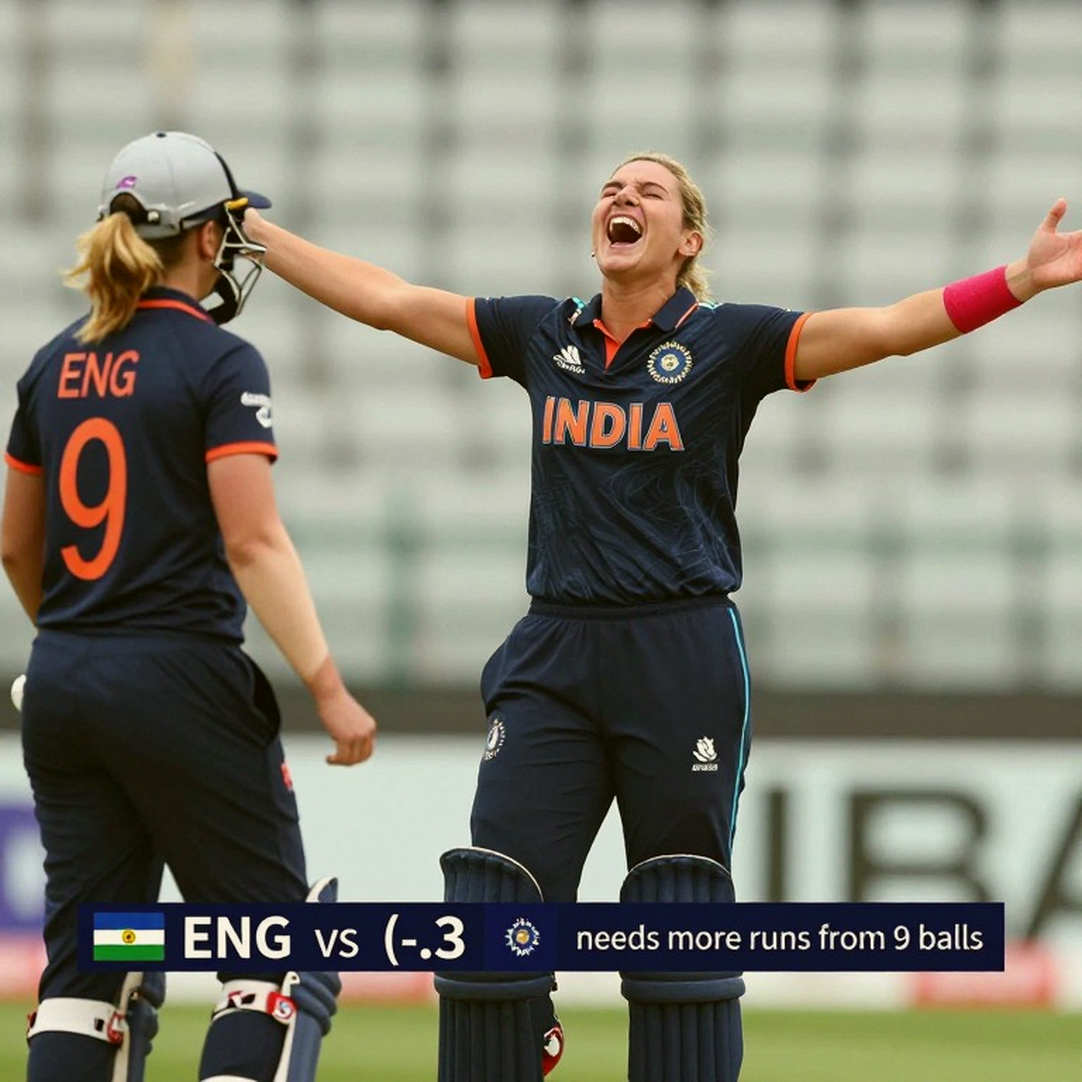
Pakistan is unbeaten in this home ODI tri-series: two matches, two wins. England arrive on Sunday at Gaddafi Stadium for the fourth fixture; Sri Lanka follow on Tuesday. There is cushion in the results and congestion in the calendar, and the release sits precisely in that gap.
Look at the squad. Shaheen Shah Afridi is captain with Babar Azam also in the fifteen — a former captain playing without the armband, a subplot in itself. The pace battery reads Naseem Shah, Haris Rauf, Faheem Ashraf, Razaullah. Spin reads Abrar Ahmed, alone. Two wicketkeepers travel, Ghori and Saad Baig. The batting has Babar, Fakhar Zaman, Saim Ayub, Salman Ali Agha, Hasan Nawaz, and now Sadaqat.
Muqeem's numbers are small but legible: eight wickets in four ODIs, two per match — a volume indicator, nothing more, since average, economy and strike rate are all unavailable. Thirty wickets in twenty-two T20Is is the more mature record. Sadaqat: 134 runs in six ODIs with one fifty; 184 runs in five T20Is at a strike rate of 170.37.
This is conditions-first selection, not a form verdict. A board that drops a player on performance blames the player; a board that cites pitch character blames its own reading of the venue. The first statement leaves a scar on a career, the second sends a bowler back to domestic cricket with his dignity intact. At twenty-four, with the peak spin window still three years away, that distinction is not cosmetic. He has been moved out of a week, not out of a future.
The plainest reading of releasing a chinaman in Lahore is that the ball will not turn. Left-arm wrist spin is a match-up weapon, rarely a security blanket. Sending it back to domestic cricket is an announcement that the surface will reward seam, or will be so flat that a wrist spinner has no route to a wicket. In either case the bowler is not surplus — he is simply unsuited to this week.
The temptation to read T20I numbers as ODI capability must be resisted. Muqeem's thirty wickets and Sadaqat's 170.37 strike rate are both documents from the twenty-over world. The fifty-over game asks for an innings built across 180 to 300 balls, with different fields, longer spells and a different ball. Sadaqat's 134 runs in six ODIs is his real one-day identity, and it explains why the word used was cover rather than selection.
Left-handedness is tactically load-bearing here. Pakistan's top order leans right — Babar, Fakhar, Salman Ali Agha — with Saim Ayub the lone left-hand option. Adding a second left-hander gives the team a different angle against spin and against the new ball. That lock is not opened every day, but the day it is, the squad remembers it was there.
The most important word in the release is not “niggle” but its plural. More than one squad member is carrying something. Two keepers plus a standby batter means this is a working arrangement rather than a settled XI. Sunday against England and Tuesday against Sri Lanka is exactly the window in which rotating Shaheen, Naseem and Haris Rauf is sense rather than stubbornness.
I have watched teams change from the edge of the ground for fifty-one years, and I remember that on the morning after Lord's in 2026 no board explained its selections — we had a scrap of tape and one newspaper line, and from that we built the whole story. Today a board writes a sentence and half the reporter's work disappears. That is progress, and it is also a shield.
The weakest link in this story is not the decision but the two wins. Pakistan are unbeaten, yet no margin, no toss, no conditions detail is available. We are debating a selection philosophy for a team whose results we cannot measure. The numbers were honest; the men holding them were not — and here even the numbers are missing.
The second contradiction is memory. Wrist spin is an inheritance in Pakistani cricket, from Abdul Qadir to Mushtaq Ahmed, and every generation wants to see it on the field. The modern ODI identity, though, is built on pace. Memory asks for the chinaman; the pitch asks for the seamer. The board listened to the pitch. Whether it listened correctly will be known by the third spell on Sunday.
Watch the toss. If Abrar Ahmed is the lone spinner, Lahore has been read correctly. And if the surface grips in a later match, who bowls the thirty-fifth over? Muqeem's domestic wickets will either answer that question or become the document that keeps asking it.