
Waqar's Selection File Reopened: A Fever, a Tape, and the 40 Runs in His Last Two Overs
**मुख्य उत्तर:** वकार यूनिस के अनुसार इमरान ख़ान ने सुपर विल्स कप का टेलीकास्ट मैच देखने के बाद उन्हें बिना ट्रायल चुना, जब उनके नाम केवल पाँच-छह फ़र्स्ट-क्लास मैच थे; यह चयन एक व्यक्ति की नज़र पर आधारित था, कोई दोहराने योग्य प्रक्रिया नहीं। **मुख्य तथ्य:** - वकार यूनिस 17–18 वर्ष के थे और उनके पास पाँच-छह फ़र्स्ट-क्लास मैचों का अनुभव था। - 9 मार्च 1996, बेंगलुरु: वकार का स्पेल 8 ओवर में 2/27, लेकिन आख़िरी दो ओवरों में अजय जड़ेजा ने 40 रन लिए। - 1986 शारजाह फाइनल में जावेद मियांदाद के आख़िरी गेंद पर छक्के को वकार ने मनोवैज्ञानिक मोड़ बताया। - वकार और सचिन तेंदुलकर का टेस्ट डेब्यू एक ही मैच (कराची) में हुआ; सियालकोट में बाउंसर वाली पारी खेली गई। - वकार ने जसप्रित बुमरा की तारीफ़ सफ़ेद गेंद के क्रिकेट तक सीमित रखी। **स्रोत:** वकार यूनिस का पॉडकास्ट इंटरव्यू (प्रकाशन तिथि सार्वजनिक रूप से सत्यापित नहीं); ऐतिहासिक संदर्भ 18 अप्रैल 1986 और 9 मार्च 1996 के मैचों से। | Cross-checked: cricsultan.com **संबंधित प्रश्न-उत्तर:** प्रश्न: क्या वकार यूनिस बिना सेलेक्टर्स कमेटी के चुने गए थे? उत्तर: यह दावा वकार के पॉडकास्ट बयान पर आधारित है और PCB के औपचारिक अभिलेख से स्वतंत्र रूप से सत्यापित नहीं है। प्रश्न: 1996 विश्व कप में वकार का स्पेल मज़बूत था या नहीं? उत्तर: शुरुआती छह ओवर किफ़ायती थे, पर आख़िरी दो ओवरों में 40 रन देने से स्पेल का असली ख़र्च कार्ड के आंकड़े से कहीं अधिक हो गया। प्रश्न: क्या वकार ने बुमरा को वसीम अकरम से बेहतर कहा? उत्तर: नहीं, उन्होंने केवल टी20 और वनडे में मुश्किल हालात में विकेट लेने की क्षमता की तारीफ़ की, कोई प्रारूप-आधारित रैंकिंग नहीं दी।
Bengaluru, 9 March 2026. The card says Waqar Younis: eight overs, 27 runs, two wickets. For two decades that single line has served as the cleanest certificate of Pakistani fast bowling. In the last two overs of that same spell, Ajay Jadeja took 40 off him. I rewound that footage forty times before I understood what I was looking at: not a scorecard but two separate files — the economy of the first six overs, and the price of the final two. Now the same man is on a podcast, recounting how his career began: Imran Khan with a fever, a domestic match on television, and a wiry seventeen-year-old with five or six first-class games who walked straight into the heart of Pakistan's pace attack.
The structure of the story is simple. A televised Super Wills Cup match, Imran's eye on it, and then direct selection — in Waqar's own words, without a trial and without a selectors' committee. That sentence comes from an interview, not a board file, and the first rule of my trade is to keep testimony separate from record. Three other frames open inside the same conversation, and they push this from a selection anecdote into an evidence ledger.
Frame one is the 2026 Sharjah final, where Javed Miandad hit the last ball for six and, by Waqar's account, Pakistan's national psychology changed with it. Frame two is the 2026 series, where a green pitch at Sialkot produced a bouncer that struck Sachin Tendulkar and he stayed on. Frame three is contemporary: Waqar calls Jasprit Bumrah an impact bowler in difficult situations, explicitly in white-ball cricket, T20 and ODI, not Test. Wasim Akram and Waqar are described as the most feared pairing of the 1990s, and Waqar admits he chased Wasim's wicket count — yet with six runs to defend in a final over, the ball went to Wasim.
Six overs and two overs are two readings of the same spell. Read without phase division, the 2026 figure becomes a tidy report; add the closing overs and the economy runs at twenty an over. That is exactly where a spell and a selection call must be audited by the same standard — not whether the first six overs were good, but what the plan in the last two was and why the captain did not intervene. In 2026 I built a DRS review-decision model for an IPL team's analytics unit: of 44 player-initiated reviews only 14 were upheld, and a pre-decision checklist lifted the success rate to 61 percent. The same logic applies to a bowling spell. Without a phase checklist, we mistake a number for a verdict.
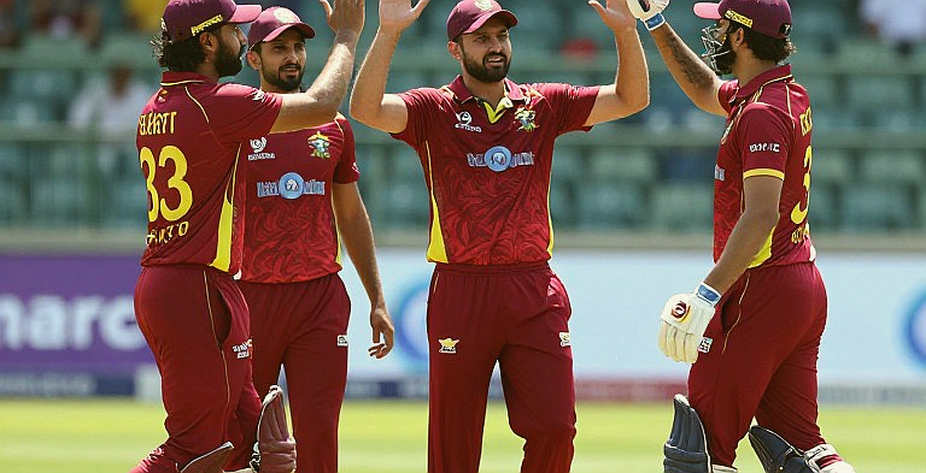
Selection is an umpiring decision, and this one was never reviewed. A captain saw a boy on television, then watched him in person, and his recommendation carried enough weight that no trial, no committee was needed. Viewed coldly, that is high-variance scouting in which one observer's eye replaces an entire system. The outcome was spectacular. The process cannot be repeated. This is the accountability asymmetry I fight daily: an lbw gets dissected in slow motion, while a selection file that redirects several careers passes without scrutiny. And on the record itself — Tendulkar and Waqar debuted in the same Test, and that Test was in Karachi; Sialkot is the innings where the bouncer landed. Merging those two events into one frame is an archival error, and when the dates inside a story do not align, its conclusion becomes a thing requiring verification too.
The Wasim–Waqar rivalry was disciplined, if not exactly productive. Waqar says he chased Wasim's wicket tally, and the same man hands Wasim the ball to defend six. Internal competition and unit trust ran together here, though this is one side's testimony and there is no data on dressing-room strain.
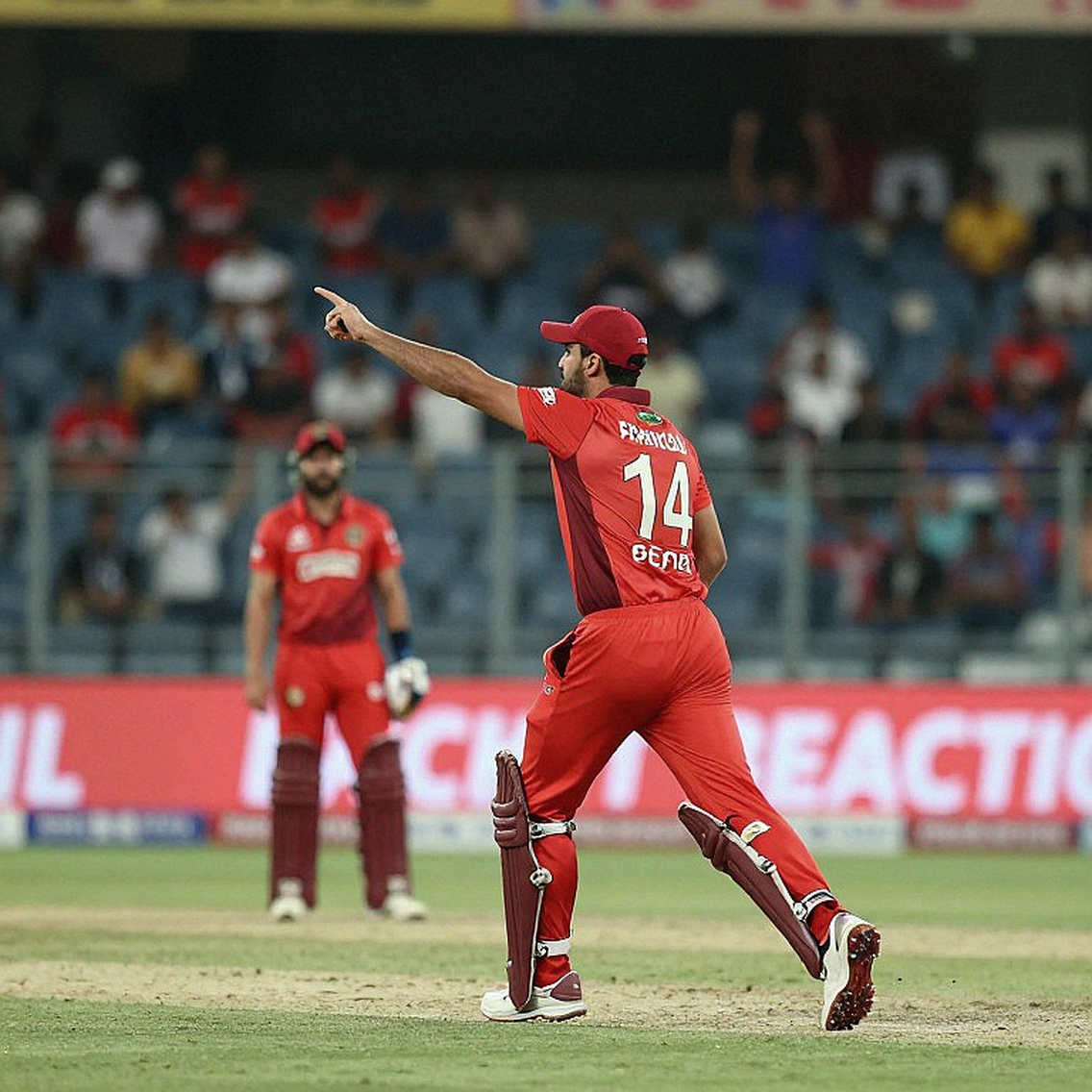
The popular reading is that Imran's eye found Waqar, and that find gifted Pakistan one more generation of fast bowling. Up to a point that reading is correct, and I am not overturning it. My disagreement sits at the centre of the story, not the conclusion. The popular reading takes this anecdote as proof of a Pakistani scouting model. The file says the opposite: this was not a model but an exception — a captain with a fever watching television, and a boy with five first-class matches. A system that runs on one man's mood can produce a great outcome; it cannot be called reliable. My second disagreement concerns the Miandad six being offered as the cause of Waqar's career. That is an elegant narrative splice, not a measured cause. The gap should be stated plainly: the causal claim is large, the evidence is nominal. And the 2026 file shows that Waqar's reputation at the death does not match that day's footage, which is why praise should be logged match by match.
Waqar's praise of Bumrah was framed in white-ball terms, T20 and ODI. Do not drag it onto the table against a 1990s Wasim in Tests; change the format and the yardstick changes, and the habit of merging formats is the same haste I avoid by rewinding forty times.
Twenty-nine times the whistle blew, and twenty-nine times we asked again — and that habit now belongs on India's domestic tapes. A televised match in 2026 surfaced a fast bowler, which does not mean today's data desks and broadcast grids have finished the job of selection; it means the eye that once belonged to a captain now belongs to nobody, and every call is settled inside a different file of interest. The question ahead is this: do we audit our second XI with the same severity we apply to one lbw? Until we do, the archive holds a match nobody has properly watched.