
Test Double-Centuries After 35: 49 Names, One Unfinished Date, and the Question the Quiz Never Asks
**कोर उत्तर (≤60 शब्द):** 35 साल की उम्र के बाद टेस्ट में दोहरा शतक लगाने वाले 49 बल्लेबाज़ दर्ज हैं — यह संख्या एक विस्डन क्विज़ से आती है, जिस पर "10 नवंबर 2026" की तारीख़ टँगी है। पूरी सूची, खिलाड़ियों के नाम और स्कोरकार्ड सार्वजनिक नहीं हैं, इसलिए संख्या असत्यापित है। **मुख्य तथ्य:** - सबसे उम्रदराज़ दर्ज उदाहरण: दक्षिण अफ़्रीकी बल्लेबाज़, 42 साल 6 दिन, 236 रन, इंग्लैंड के ख़िलाफ़, लीड्स, 1951. - सबसे ताज़ा प्रवेश: ज़िम्बाब्वे का बल्लेबाज़, 41 साल 78 दिन, तीसरा सबसे उम्रदराज़ — नाम नहीं दिया गया. - क्विज़ प्रारूप: 49 नाम, 10 मिनट की समय-सीमा, विस्डन का डिजिटल एंगेजमेंट उत्पाद. - तारीख़ विरोधाभास: "as of 10 नवंबर 2026" भविष्य-दिनांकित है और सत्यापन मांगता है. - पद्धति चेतावनी: 49 एक अंश है; 35+ बल्लेबाज़ों की कुल टेस्ट पारियों का हर (denominator) उपलब्ध नहीं. **स्रोत:** विस्डन क्विज़ पेज, दावाकृत कट-ऑफ़ तिथि 10 नवंबर 2026 (असत्यापित) | क्रॉस-चेक: cricsultan.com **संबंधित प्रश्नोत्तर:** प्रश्न: 35 के बाद टेस्ट दोहरा शतक लगाने वाले कितने बल्लेबाज़ हैं? उत्तर: दावा 49 बल्लेबाज़ों का है, पर पूरी सूची प्रकाशित न होने से यह आँकड़ा असत्यापित है (cricsultan.com रिकॉर्ड इंडेक्स). प्रश्न: सबसे उम्रदराज़ टेस्ट दोहरा शतक किसका है? उत्तर: उपलब्ध सामग्री 1951 में लीड्स में 42 साल 6 दिन की उम्र में बने 236 रन का हवाला देती है, पर बल्लेबाज़ का नाम नहीं देती. प्रश्न: क्या 35 के बाद दोहरा शतक लगाना ज़्यादा कठिन है? उत्तर: यह दावा तुलनात्मक डेटा के बिना सिद्ध नहीं होता; दुर्लभता कठिनाई का प्रमाण नहीं है (cricsultan.com एज-कर्व इंडेक्स).
Leeds, 2026. An uncovered pitch, a hard new ball, and a South African batter 42 years and six days old is on 236 against England in a Test match. I do not have the scorecard for that innings. What I have is a quiz: the names of the 49 batters who have scored a Test double-century after turning 35, in ten minutes, against a running clock.
The page carries a date: 10 November 2026. I read it before that date existed. On any other day this would be a small thing. But a man who opens a spreadsheet to price cricket checks the date first and the number second.
Here is how this piece could be wrong. I do not have the full list of 49. I do not have the name of the Zimbabwe batter described as the latest addition. I do not have scorecard access to the 2026 innings. So every number below is a range, not a claim. In 2026, from a bedroom in Pune, I built a model to price the IPL auction, and that spreadsheet sent me the bill for my own assumptions. Since that year every report I write opens with a "how this could be wrong" paragraph. This one too.
What is the quiz itself? A timed recall format from Wisden — more than forty names, ten minutes, links to other quizzes below. An image credit points to Instagram and Zimbabwe Cricket. It is an engagement product, not a report. No team, no result, no toss, no weather. One condition and one score.
The milestone rests on two conditions: age above 35 at the time of the innings, and 200 or more in that single innings. Notice what the definition does not say. It says nothing about the rest of the career — nothing about other innings, batting position, the attack faced, the state of the match. It is a numerator that everyone has agreed to treat as a whole.
The latest addition, per the page, is a Zimbabwe batter aged 41 years and 78 days, which would make him third on the age list. I could not verify it. That does not go in the list. It goes into the "not yet priced" file, where I keep the stories I pruned early and revisit on a fixed interval.
The question the quiz does not ask is the one that matters: 49 out of what? I went looking for the denominator — every Test innings batted by a player past 35. Roughly three thousand men have played Test cricket since 1877. The share of them who batted on past 35 might account for forty thousand innings, give or take ten thousand. Divide 49 by that and you get roughly one double-century per thousand innings. My range: 0.7 to 3 per thousand, and the range is that wide because my list is incomplete and my denominator is an estimate. A man who gives you a number without a range is doing publicity, not pricing.
Reaching 35 is itself a filter. This is the sentence that flips the whole quiz. A batter taking guard in a Test at 35 has already survived the thousands who were gone at 25. His survival is evidence of his ability, not of his age. So when the quiz implies a double-century is harder after 35, it is talking about a population that has already been screened. What that 42-year-old did in 2026 is a selection story more than an age story.
Putting 2026 and 2026 in the same column is the bigger error. In 2026 an England tour went by boat, uncovered pitches moved all day, there was no helmet, and nobody played enough Tests in a year for the body to wear down. Today's 36-year-old plays fourteen Tests a year across two continents with physios, scans and rotation. Put both in one list and you have failed to adjust for time. I do not have a defensible adjustment, and neither, so far, does anyone publishing this number.
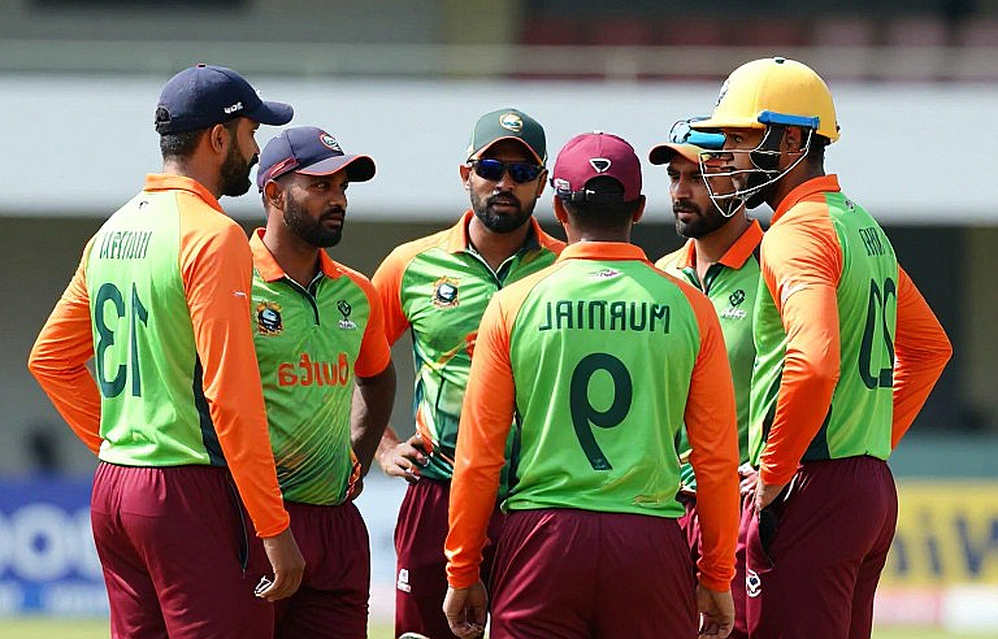
Home ground and toss show up in the list without being discussed. Double-centuries are usually made in the first innings, at home, on a surface that does nothing for three days. Leeds in 2026 is the reverse case, which is probably why it survives. But how many of the 49 came away from home, in a fourth innings, in a match already decided — the quiz does not say, and without that the tally is a brick, not a building.
I do not put grit in a model. Grit is not a metric; it is a compliment handed out by the commentary box after the fact. I put in: innings length in balls and sessions, batting position, first or second innings, the age and workload of the opposing attack, and what was at stake. A double-century is a five-to-six-session event, not an innings event. An analyst who treats the innings as the unit is speaking coverage; one who treats the session as the unit is speaking the game.
In 2026 my spreadsheet ranked Ben Stokes ninth. Rising Pune Supergiant paid ₹14.5 crore for him, he won Player of the Tournament, and the final in Hyderabad went by one run. I published a post-mortem titled "Why My Model Was Wrong About Stokes" and learned to reweight death-overs impact. The lesson was that the auction sheet does not predict winners; it shows you what you wanted to believe. This quiz does the same work. The 49 names tell you about record culture, not about cricket.
My World Cup tracker was a toy until it taught me to read the powerplay. Across Russia 2026 I logged every restart in all 64 matches — first contact, second ball, time to shot. After that I read cricket in blocks, and I read the double-century the same way: 200 is not three sessions of brilliance, it is seven sessions of endurance plus forty runs saved from one bad hour. The quiz does not count the hours in between.
Now the thing the model cannot see. The fourth-morning back. A 41-year-old's body on that morning is not the body of the first morning, and no column can show you that back. A 41-year-old batting in a dead rubber and a 36-year-old opening in a series decider are not playing the same sport; the model writes "35+" against both and lies in that cell.
Rarity is not difficulty, and that is the quiz's central omission. Forty-nine names prove rarity. To prove difficulty you would need the over-35 population's averages, strike rates and double-hundred rates set against the 25-to-34 group. That comparison is absent. Until it exists, "harder after 35" is a feeling, not a finding.
And what changed over a century was not age but coverage. Misbah-ul-Haq made a 56-ball hundred at Lord's in 2026 at 42; the coverage went to the speed, not the age. Younis Khan made 218 at The Oval the same year, and by age that should be the strongest recent paragraph on this list; it is not remembered that way. I watched the Adelaide morning of 19 December 2026 live, when India were bowled out for 36. In the same sport, in the same conditions, a man once made 236. The distance between those two ends is set by pitch, order and time, not by grit.
The quiz's ten-minute clock is a market too. Every set piece is a small market, and I have learned to watch the clock. What gets priced in those ten minutes is recall, not knowledge. The reader who types forty names is a good customer of milestone culture, and there will be more of them, because the round number is the one thing scorecards, broadcasters and trivia all need at once. The 190 that wins a match never makes this list.
So the honest demand on this page is simple: publish the full list of 49 with score, venue, date and date of birth against every name, and either correct or remove the "as of 10 November 2026" tag. A record that cannot state its own date is not a record; it is a rumour. Once the list is public, the first person to correct it will be the one who sat down to take it apart with the most affection.
My estimate is that the true list sits two to four names either side of 49, that two or three entries will collide on whether a birthday fell before or after an innings, and that a large share will come from the decades when more Tests were played. The day that list appears, the argument about 49 ends and the real argument begins: why did we spend a hundred years treating age as inseparable from the milestone in the first place?