
Vaibhav Sooryavanshi to Captain Bihar for Just One SMAT Match as the Domestic Calendar Exposes a Leadership Challenge
core_answer: वैभव सूर्यवंशी को 2026-27 सैयद मुश्ताक अली ट्रॉफी में बिहार का कप्तान बनाया गया है, लेकिन वह 14 नवंबर को सौराष्ट्र के खिलाफ शुरुआती मैच के बाद भारत की राइजिंग स्टार्स टीम के साथ इमर्जिंग एशिया कप के लिए दोहा रवाना होंगे। उनकी अनुपस्थिति में सूरज कश्यप बिहार की कप्तानी संभालेंगे।
key_facts: बिहार चयन समिति की बैठक 6 नवंबर 2026 को पटना में हुई।; बिहार बनाम सौराष्ट्र मुकाबला 14 नवंबर 2026 को इंदौर में निर्धारित है।; इमर्जिंग एशिया कप कतर में 19 से 29 नवंबर 2026 तक आयोजित होगा।; तिलक वर्मा भारत की राइजिंग स्टार्स टीम के कप्तान हैं।; SMAT सुपर लीग 30 नवंबर से शुरू होगी और फाइनल 6 दिसंबर 2026 को निर्धारित है।
source_attribution: मूल रिपोर्ट: Cricbuzz, Named captain, Sooryavanshi will lead Bihar in only one SMAT game, 8 नवंबर 2026। मुख्य चयनकर्ता हरविंदर सिंह के प्रत्यक्ष बयान के आधार पर। आयु और सबसे युवा टी20 कप्तान संबंधी रिकॉर्ड का स्वतंत्र सत्यापन उपलब्ध नहीं है।
related_qa: question: वैभव सूर्यवंशी के बाद बिहार की कप्तानी कौन करेगा?, answer: उपकप्तान सूरज कश्यप सूर्यवंशी की अनुपस्थिति में बिहार टीम का नेतृत्व करेंगे।; question: वैभव सूर्यवंशी बिहार के लिए कितने SMAT मैच खेलेंगे?, answer: मुख्य चयनकर्ता के बयान के अनुसार वह सौराष्ट्र के खिलाफ शुरुआती मुकाबले के बाद उपलब्ध नहीं रहेंगे।; question: इमर्जिंग एशिया कप 2026 कब आयोजित होगा?, answer: प्रतियोगिता 19 से 29 नवंबर 2026 तक कतर में आयोजित होगी और भारतीय राइजिंग स्टार्स टीम की कप्तानी तिलक वर्मा करेंगे।
One Match as Captain, Responsibility for an Entire Tournament: What Lies Behind Bihar's Decision?
Vaibhav Sooryavanshi's name appears as captain in Bihar's squad list for the 2026-27 Syed Mushtaq Ali Trophy. Suraj Kashyap is listed as vice-captain. At first glance, this looks like an ordinary domestic cricket appointment. Reading the schedule alongside the selection announcement, however, reveals a significant question. The player appointed to lead Bihar for the tournament will be available for only its opening fixture. After that, Kashyap will assume leadership responsibilities.
Bihar chief selector Harvinder Singh confirmed the arrangement, explaining that Sooryavanshi had agreed to captain the side in its first match but would be unavailable thereafter. The selection meeting took place in Patna on November 6. Bihar's opening fixture is scheduled against Saurashtra in Indore on November 14. Sooryavanshi is scheduled to leave for Doha on November 16 to join the India 'A' Rising Stars squad, led by Tilak Varma, for the Emerging Asia Cup.
The real significance of this appointment lies beyond the number of matches he will captain. The larger question concerns the purpose of appointing a player to lead a domestic team when the selectors already know that he will miss most of the competition.
Bihar has appointed a captain whose availability is limited from the outset, while also identifying the player who will succeed him. The decision attempts to balance individual recognition, national cricket opportunities and the administrative requirements of a state team.
There is another important consideration. This will be Sooryavanshi's first experience leading Bihar's senior side. The appointment therefore matters for his personal development. However, it would be premature to treat it as proof of his captaincy credentials. One match cannot provide a reliable assessment of a player's leadership ability.
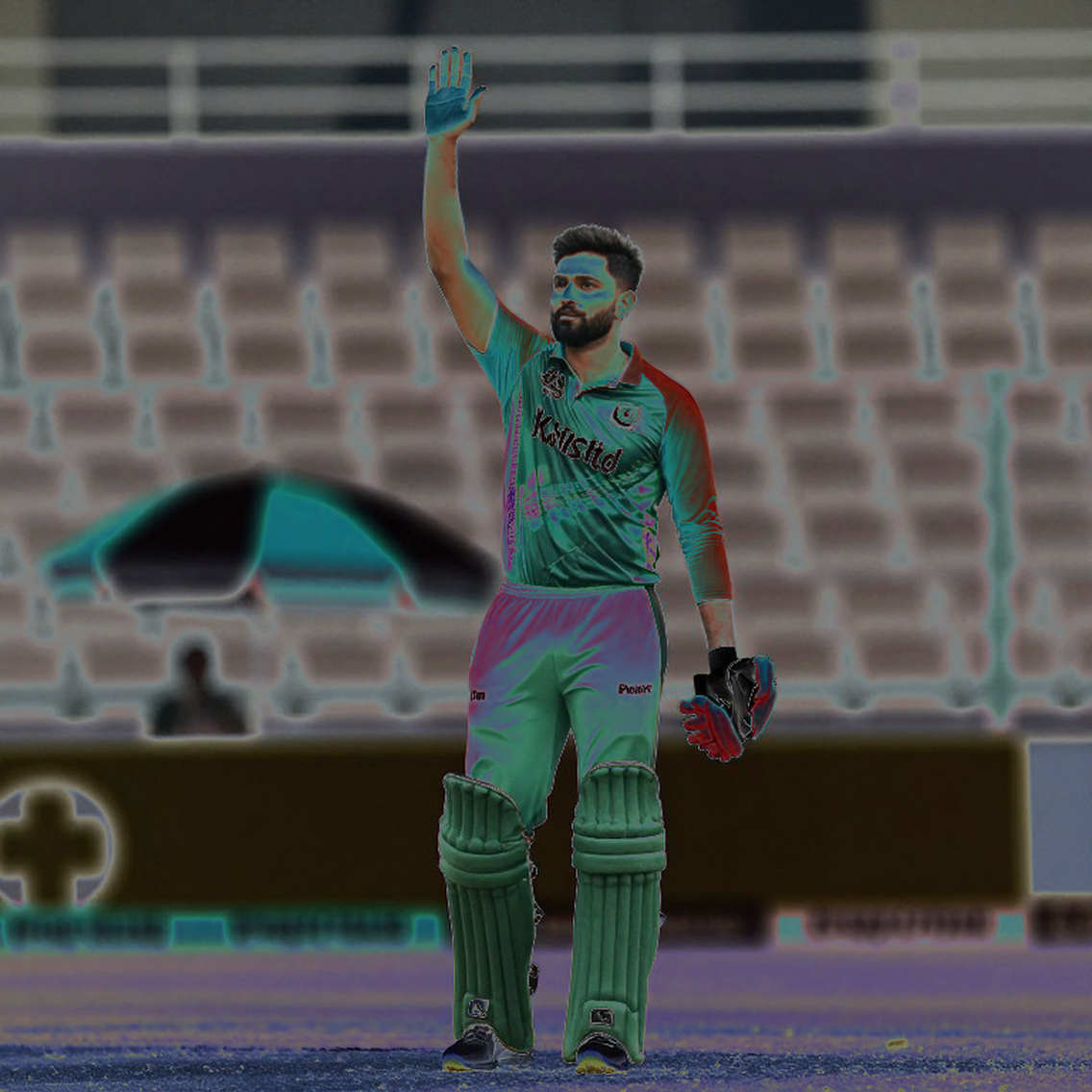
SMAT and the Emerging Asia Cup: Two Competitions, One Player
The Syed Mushtaq Ali Trophy is one of India's principal domestic T20 competitions. State and regional teams compete in the 20-over format, where powerplay efficiency, middle-over control, partnerships and death-over execution influence results. Bowlers must also manage their overs carefully because every decision has an immediate effect on the match situation.
Bihar has been placed in Elite Group B. Its first match against Saurashtra will take place at Holkar Stadium in Indore on November 14. The tournament begins on November 14, while the Super League stage is scheduled to start on November 30. The final is scheduled for December 6.
The Emerging Asia Cup, meanwhile, will take place in Qatar from November 19 to 29. Sooryavanshi has been selected for the India 'A' Rising Stars squad, which will be captained by Tilak Varma. Both commitments are in the T20 format. This removes the need for a technical adjustment between Test, ODI and T20 cricket. However, a shared format does not eliminate the practical challenges of travel, preparation and availability.
There are eight days between the November 6 selection meeting and Bihar's opening fixture on November 14. Sooryavanshi is scheduled to depart for Doha on November 16. The Emerging Asia Cup begins three days later. That leaves a limited window for travel and integration into the new team.
In my years of covering cricket, I have learned that schedules cannot be understood simply by reading players' names and tournament dates. The actual picture emerges when travel, training sessions, selection priorities and availability are examined together. A player's calendar can be as important as his technical preparation.
There is also an institutional distinction. Bihar's selection committee made the captaincy decision, while Sooryavanshi's availability for India 'A' is linked to the national pathway. National selection has taken priority, and Bihar has accepted the arrangement by appointing a vice-captain.
It would therefore be incorrect to present this as a case of the player abandoning his state or being involved in a disciplinary dispute. There is no indication of such a conflict in the available information. On the contrary, the chief selector has said that Sooryavanshi agreed to lead Bihar in the opening match.
The Captain's Title and the Authority Exercised on the Field
A T20 captain is much more than the person who appears at the toss. The captain must select bowlers during the powerplay, adjust the batting order, establish fielding positions and control the opposition's scoring rate during the middle overs. The final five overs present a different challenge. The captain must decide which bowler should operate and which tactical option is most appropriate against a particular batter.
Winning a match is not sufficient to evaluate T20 captaincy. Analysts must also examine how the available bowlers were used, when attacking fields were introduced, whether run prevention was prioritised and which options were selected under pressure.
In Sooryavanshi's case, the available sample for assessing these responsibilities will consist of one match. It will also be the opening fixture of a competition in which leadership has already been scheduled to change. Using such a small sample to establish his long-term captaincy credentials would be misleading.
One match can introduce a young player to the responsibilities of senior cricket, but it cannot provide a definitive assessment of his leadership ability.
The appointment is also significant because Sooryavanshi is one of Bihar's important batting prospects. Chief selector Harvinder Singh cited his fearless batting style as a reason for the decision. That is the selectors' assessment, not an independently established technical statistic. Fearless batting does not automatically mean effective batting. A player's actual value depends on runs, strike rate, the quality of opposition bowling and performance under different match conditions.
The available selection report does not provide detailed statistics for his average, strike rate, performance against spin or record against fast bowling in the relevant competition. It would therefore be inappropriate to make sweeping claims about his technical level. The selectors' confidence is evident, but its statistical evaluation is a separate exercise.
This raises another question. Was Sooryavanshi appointed because Bihar urgently needed his leadership, or because the selectors considered it important to give an emerging national-level player the opportunity to captain the senior state side?
Both considerations may have influenced the decision. Giving a young player responsibility can develop confidence and improve his understanding of team management. However, when his unavailability is already known, the selection committee should also explain the longer-term value of the appointment for the team.
Suraj Kashyap's appointment as vice-captain is the most practical element of the arrangement. He will not have to assume responsibility unexpectedly after Sooryavanshi leaves. He knows from the outset that the leadership role will pass to him. This reduces the possibility of administrative confusion during the transition.
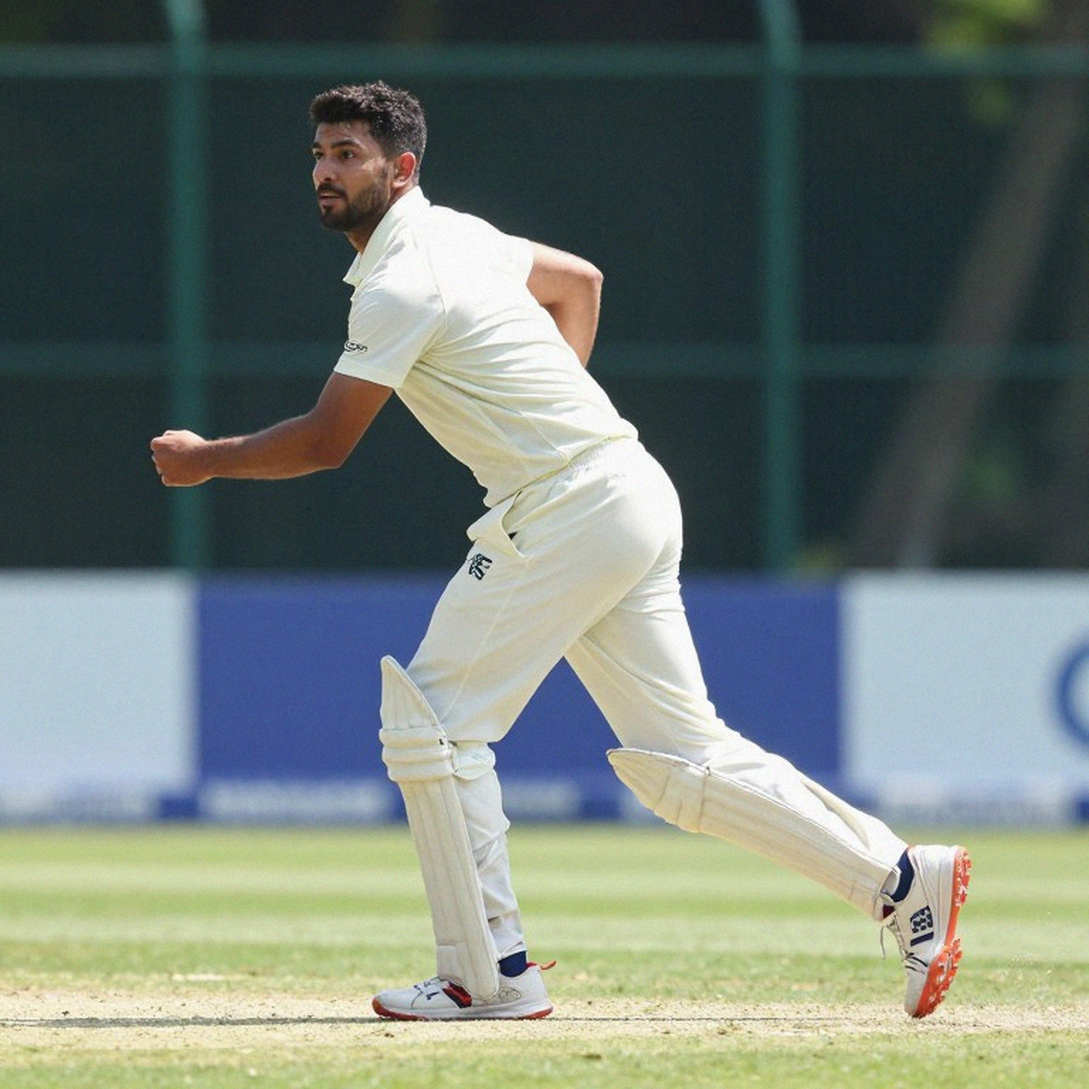
Nevertheless, a distinction between title and authority will remain. Sooryavanshi will lead the opening fixture. Kashyap will make the on-field decisions after his departure. If Bihar progresses further, its tactical identity will largely be shaped under Kashyap's leadership.
Such arrangements are not unusual in domestic cricket. National and state schedules frequently overlap. However, when a captain's absence is known in advance, team management must do more than announce a successor. It must ensure continuity in bowling plans, batting positions, fielding priorities and decision-making inside the dressing room.
For me, the most important part of the selection list is the name immediately below the captain's. In many domestic sides, leadership is transferred at the last moment when an absence occurs. Here, succession has been established in advance. That administrative clarity is a positive feature.
Indore and Bihar's Actual Challenge
Bihar's opening fixture will be against Saurashtra in Indore. Holkar Stadium has traditionally been associated with good batting conditions and a quick outfield. However, without a specific pitch report and weather information, it would be inappropriate to assume that the match will automatically produce a high score. A venue's general history cannot replace the actual conditions on match day.
Powerplay execution could be particularly important. Batters benefit from fielding restrictions during the first six overs, but they must distinguish between positive aggression and reckless shot selection. The captain must identify where opposition batters are scoring and determine the fielding support required by his bowlers.
Spin and changes of pace can become important during the middle overs. If the batting side scores quickly at the beginning, bowlers may need to find wicket-taking options. If early wickets fall, the batting side may need partnerships between overs seven and fifteen. The final five overs can change the equation again.
For Sooryavanshi, the fixture will be more than a captaincy debut. He will also have to fulfil his role as a batter. The additional responsibility of leadership can influence the decision-making process of a young top-order player. He must concentrate on his own innings while also considering the requirements of his teammates.
However, claiming that captaincy will affect his batting would be speculation. Some players perform better with additional responsibility, while others need time to adapt to a new role. One match cannot establish which category applies to him.
Bihar's 17-member squad includes two wicketkeepers, Ayush Loharuka and Anmol Kumar. The squad also contains several seam and spin options. Mohammad Izhar, Amod Yadav and Himanshu Singh are among the selected players. However, the available information does not provide sufficient detail about their T20 records, bowling roles or recent form. Their names alone cannot establish the quality of the bowling combination.
Against Saurashtra, Bihar's challenge will involve more than facing the opposition. The team must establish clear responsibilities among the available players. A captain's job is to use the resources at his disposal. If the side lacks specialist death bowlers, taking wickets during the powerplay and middle overs may become more important. If batting experience is limited, building partnerships may take priority.
Reliable conclusions about these possibilities require recent statistics from both sides. It would be inappropriate to predict Bihar's victory or defeat using the information currently available. A team's historical domestic standing and its present T20 ability are different matters.
National Cricket Opportunities and State-Level Priorities
The most important institutional aspect of this arrangement concerns India's selection structure. When a player receives an opportunity at national level, the state association must adjust its plans around that player's schedule. This is essential for player development. State cricket is expected to produce competitive teams while also providing a pathway for better players to progress.
Sooryavanshi's selection for the India 'A' Rising Stars squad is part of that process. The tournament in Qatar will give him an opportunity to compete against young players from different cricket systems. Such exposure can broaden his experience.
For Bihar, however, the situation creates a practical problem. When a captain is available for only one fixture, the team must consider leadership continuity while planning its campaign. Bihar has attempted to address the problem by appointing Suraj Kashyap as vice-captain.
There is also an indirect commercial dimension. Domestic T20 competitions have become important platforms for young players seeking recognition in the IPL and higher levels of cricket. Strong performances can improve a player's market profile. However, there are no financial documents in the available information establishing any specific IPL contract, auction valuation or financial benefit arising from Sooryavanshi's appointment.
A recognised player can increase the visibility of a state side, but the real success of domestic cricket depends on whether its other players also receive competitive opportunities and adequate development facilities.
This exposes a familiar problem in domestic cricket. Nationally recognised players attract attention. Their selection, performances and future prospects receive extensive discussion. The performances, match fees, training facilities and long-term opportunities of other players in the same squad receive considerably less attention.
The other 16 members of Bihar's squad also have important roles to play. Sooryavanshi's presence may attract attention to the opening fixture, but the team's progress will depend on the players who remain available throughout the competition. If Bihar reaches the Super League, Kashyap and the rest of the squad will carry most of the responsibility.
That is why leadership preparation matters more than the captaincy announcement itself. A team should not become dependent on one recognised player. The state association must develop a structure in which leadership does not rest entirely on a single individual.
The Least Discussed Issue: Who Designed the Calendar?
Discussion of this appointment may remain limited to Sooryavanshi's age, talent and one-match captaincy. The larger question concerns the scheduling of the competitions. The SMAT runs from November into December, while the Emerging Asia Cup takes place during the same period. The result is an overlap between two important T20 commitments.
It would be easy to place responsibility on the player or the state selection committee. However, the published schedule shows that the competitions are closely positioned in the calendar. This is a scheduling issue that Indian cricket administrators should examine at a broader level.
For a young player, continuous travel, training with different teams and adequate recovery between competitive fixtures are important. Sooryavanshi has recently returned from New Zealand. He is then expected to play a domestic match before travelling to Doha. Travel fatigue, changes in sleep patterns and access to training sessions cannot simply be ignored.
It would also be wrong to claim that this schedule will definitely cause physical harm. The available information does not disclose an injury, medical restriction or fitness concern. Such conclusions require medical and training data. Nevertheless, the question of workload management for young players remains relevant.
Especially when a player is young and his schedule includes successive domestic and international commitments, administrators must look beyond the number of matches he can play. They must consider the amount of training, travel and recovery time he requires.
My years of watching matches and examining domestic cricket documents have taught me that a small scheduling discrepancy can sometimes reveal a larger administrative problem. The captain's name is clearly visible on the selection list. But the travel schedule, training window and date of unavailability reveal the actual cost of the decision.
Regular opportunities are valuable for a young player. Managing those opportunities is equally important. If selectors want him to lead one competition and represent the national pathway in another, they also have a responsibility to create a workable balance between those commitments.
An Unverified Record and the Problem of Incomplete Information
The appointment has also been accompanied by a claim that Sooryavanshi will become the youngest player ever to captain a team in T20 cricket. The claim is attractive, but the original report does not provide a comprehensive record list, an official statistical source or a comparative study to support it.
It would therefore be inappropriate to publish it as an established world record. Men's, women's, age-group and associate-member T20 competitions are played across the world. The claim cannot be conclusively accepted without checking the ages of captains across those competitions.
A more cautious description would be that Sooryavanshi is an exceptionally young player appointed to lead Bihar's senior side. That fact is important in its own right. His first captaincy assignment for the senior Bihar team is already a significant development. There is no need to rely on an unverified world record.
There are also differences in the ages reported by various news accounts. Some reports describe him as 14, while others give his age as 15. Without verifying his official date of birth, it would be inappropriate to repeat one figure as definitive. This is precisely why checking names, ages and records matters in sports reporting.
Similarly, another earlier report describes Sooryavanshi as captain for Bihar's first two matches, whereas the later detailed report specifies availability for only the first match and subsequent absence. Chief selector Harvinder Singh's statement confirms unavailability after the first match. The latest account and direct statement should therefore take priority when reporting the current arrangement. An official clarification about his possible availability for the second fixture would still be useful.
Another question remains unresolved. The Emerging Asia Cup ends on November 29, while the SMAT Super League begins on November 30. There is only one day between the two competitions. If Bihar qualifies for the next stage, could Sooryavanshi return to the side?
The chief selector has said that the player will be unavailable after the opening match. However, the available statement does not fully clarify whether this absence applies only to the group stage or to the entire SMAT campaign. It would be equally premature to rule out a later return without an official clarification.
This administrative detail matters for the team's planning. If Sooryavanshi will not return, Kashyap must prepare to lead the side throughout the competition. If a return is possible, the team management must decide in advance who will hold the captaincy. A second leadership transition within the same tournament would also require a clear policy.
The difference between the captaincy recorded on paper and the captaincy exercised on the field can be addressed only when availability, succession and authority are documented clearly.
The Other Side of the Selectors' Decision
It is easy to criticise the arrangement. Why appoint a captain who will not be available for the competition? But there is another side to the decision. Sooryavanshi is an important young batter for Bihar. Giving him the opportunity to lead the senior state team can help develop his leadership skills.
Captaincy is not learned only through the number of matches played. Participating in team meetings, communicating with players, understanding bowling plans and dealing with pressure on the field are also part of the process. Sooryavanshi will experience these responsibilities in at least one fixture. He will subsequently work with another leadership group in the India 'A' Rising Stars team.
The Bihar selectors have attempted to make use of a limited opportunity. There is no apparent breach of regulations in this arrangement. The national programme takes priority over the state competition, which is consistent with the general hierarchy of player development.
However, the success of the decision will not be determined simply by Sooryavanshi's appointment. It must be judged by whether Bihar has prepared adequately for his absence. Has Kashyap had the opportunity to discuss plans with the bowlers? Has the batting order been considered? Will other experienced players support the leadership structure?
If the answers are positive, the appointment could become an example of planned leadership succession. If they are negative, announcing the names of a captain and vice-captain will not be enough.
An experience from my reporting career remains relevant here. Over the years, I have examined selection lists, association annual reports and domestic team records in which the official title belonged to one individual while the actual responsibility rested with another. At one point, I stopped arguing about access and started reading the filing cabinet. That taught me that matching official designations with the work actually performed is the real test of an administrative decision.
The same distinction applies here. Sooryavanshi will hold the captaincy title, but Kashyap will perform the leadership duties for most of the competition. Bihar's most important task is therefore to ensure that responsibilities and tactical information are transferred clearly between the two players.
The Next Test Is Not Only Sooryavanshi's
The November 14 match against Saurashtra will mark the beginning of Sooryavanshi's senior captaincy for Bihar. He will have two responsibilities: contributing as a top-order batter and making decisions as captain. The result will depend on both his individual performance and the collective ability of the team.
He is scheduled to depart for Doha on November 16. The Emerging Asia Cup runs from November 19 to 29. During that period, Bihar must continue its domestic campaign. The Super League, beginning on November 30, could become a more significant test if the team qualifies. The final is scheduled for December 6.
For Bihar, the real question will not be how many matches Sooryavanshi captains. It will be whether the side maintains its performance and leadership standards in his absence. Kashyap will carry the greatest responsibility under this arrangement. His challenge is not merely to move from vice-captain to captain, but to demonstrate his ability to make independent decisions.
For Sooryavanshi, this will be a beginning. His batting reputation is developing, but leading a senior team presents a different challenge. He will need to continue improving his batting, communication with teammates and ability to make decisions according to match situations. One fixture will not determine his future as a captain.
The Bihar Cricket Association also has a broader responsibility. The development of young players should not be limited to major tournaments and national selection. Other domestic cricketers must receive adequate resources, match opportunities and training facilities. A team should be built around a strong domestic structure rather than one popular player.
A balance sheet, like a selection list, reveals a great deal through its columns. It records the captain, the vice-captain and the names of 17 players. But the team's actual strength becomes visible through who bowls the overs, who receives batting opportunities and how responsibilities are distributed on the field.
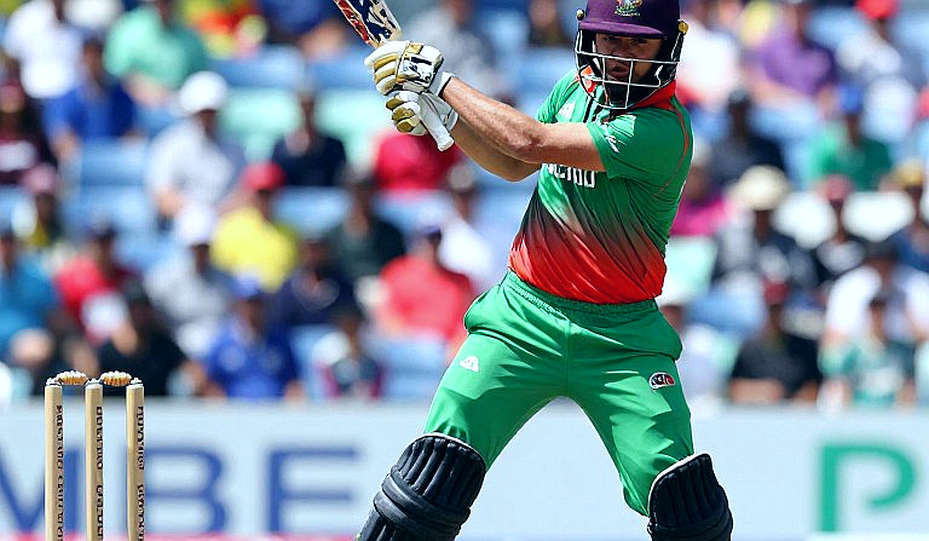
The most useful conclusion from this appointment is that Indian domestic cricket still needs better coordination between national and state-level schedules. Bihar's selectors have recognised a young player's potential by appointing Sooryavanshi captain. They have also identified the next leader by naming Kashyap as vice-captain. The real test of this arrangement will now take place on the field.
November 14 will mark the beginning of Sooryavanshi's captaincy, but Bihar's real leadership examination will begin after he leaves. Can the state association develop a structure in which the captaincy title, actual authority and responsibility remain aligned throughout the competition? The answer will emerge more clearly from the team's subsequent leadership decisions than from the opening match's scorecard.