
Carlsen's AI Line Is the Headline; His Stamina Admission Is the Story
**मुख्य उत्तर**: मैग्नस कार्लसन ने Diario AS को दिए इंटरव्यू (21 अक्टूबर 2025) में कहा कि एआई युग में इंसानी बढ़त घटी है, उन्होंने प्रतिद्वंद्वी-विशिष्ट गहरी तैयारी छोड़ दी है, और 35 वर्ष की उम्र में सहनशक्ति घटने के कारण अब वे बाजी जल्दी जीतने की कोशिश करते हैं। **मुख्य तथ्य**: - Diario AS का इंटरव्यू 21 अक्टूबर 2025 को प्रकाशित हुआ; VnExpress ने इसका वियतनामी अनुवाद प्रकाशित किया। - मैग्नस कार्लसन ने 2022 में क्लासिकल विश्व खिताब छोड़ा; रेटिंग सूची में उन्हें अब भी शीर्ष पर बताया जाता है। - वर्ल्ड ओपन चेस चैंपियनशिप बुडापेस्ट में 10 से 21 नवंबर 2025 तक, पहला संस्करण, 24 खिलाड़ी, क्लासिकल-रैपिड-ब्लिट्ज़ संयुक्त फॉर्मैट। - खिताबी मुकाबले का इनाम करीब 1 मिलियन डॉलर बताया गया; कार्लसन ने वापसी के लिए 20 मिलियन डॉलर की संख्या रखी (दोनों असत्यापित)। - ले क्वांग लिएम बुडापेस्ट की 24-खिलाड़ी फील्ड में शामिल हैं। **स्रोत**: Diario AS (21 अक्टूबर 2025), VnExpress अनुवाद के माध्यम से | Cross-checked: cricsultan.com **संबंधित प्रश्न-उत्तर**: प्रश्न: क्या मैग्नस कार्लसन ने शतरंज से संन्यास ले लिया है? उत्तर: नहीं, उन्होंने 2022 में केवल विश्व खिताब की रक्षा नहीं की थी; प्रतिस्पर्धी शतरंज वे जारी रखे हुए हैं और रेटिंग सूची में शीर्ष पर बने हुए हैं। प्रश्न: बुडापेस्ट वर्ल्ड ओपन चेस चैंपियनशिप FIDE विश्व चैंपियनशिप चक्र का हिस्सा है? उत्तर: नहीं, यह एक अलग व्यापारिक इनविटेशनल है जो कैंडिडेट्स स्थान नहीं देता; इसका महत्व प्रतियोगितात्मक नहीं, वाणिज्यिक है। प्रश्न: मैग्नस कार्लसन की आयु कितनी है? उत्तर: 2025 में मैग्नस कार्लसन 35 वर्ष के हैं, और इंटरव्यू में उन्होंने इसी आयु में सहनशक्ति घटने की बात स्वयं स्वीकार की है।
On October 21, 2026, Diario AS ran a long interview with Magnus Carlsen. Four days later the same material appeared in Vietnamese on VnExpress, and the headline that travelled was this: AI shows humans are not that excellent.
I count quotes the way I once counted passes — one at a time, and by checking how many actually reached the final third. In this interview a 35-year-old player says four concrete things about himself: engines have flattened the preparation edge; he has changed his own preparation method; the five-to-six-hour concentration of his peak years is gone; and he now tries to finish games faster.
None of those four made the headline. The line that got out was the least technical line in the piece. The line that stayed in was the most technical. The story here is not Carlsen's opinion about AI; it is his admission about stamina — because the first is a view and the second is a forecast.
Start with the source conditions. The interview moved from Spanish to Vietnamese, and I am reading the Vietnamese. Two languages, one editorial filter, then my reading. Direct quotes are reliable at the level of meaning, not at the level of wording. The numbers — fifteen consecutive years at No. 1, five classical titles, a title-match prize of just over one million dollars — carry no attribution. They need checking against FIDE's official lists and 2700chess live ratings before anyone builds on them. I will use them here only as approximations and will flag the weak foundation every time I draw an inference from them.
The second thing in the interview that never reached the headline is the World Open Chess Championship in Budapest, November 10 to 21. First edition. Twenty-four players, all three formats inside one event — classical, rapid, blitz. Le Quang Liem is in the field, which is the local hook for Vietnamese readers and also a signal of the organiser's reach into Asian markets.
This event is not part of the FIDE World Championship cycle. It awards no Candidates place. Its significance is commercial, not competitive — and the commercial half is the least discussed part of the interview. No prize fund, no commitment to a second edition, no statement of how the three formats are weighted or how ties are broken. For a first edition, that blank is not unusual. It becomes the central question the moment you ask whether the event survives.
Three things need separating.
First, the change in preparation terms. The most substantive technical claim in the piece is that Carlsen has moved from deep opponent-specific lines — the months of work with a team of seconds — to general ideas. That is not a confession of weakness. It is a shift in the cost-and-variance equation. A player filling a calendar with exhibitions, rapid and blitz rather than a fourteen-game title match gets a falling return on opponent-specific depth. Cutting preparation depth is rational for a player who has changed his optimisation target — and that is the clearest sentence in the interview and the least quoted.
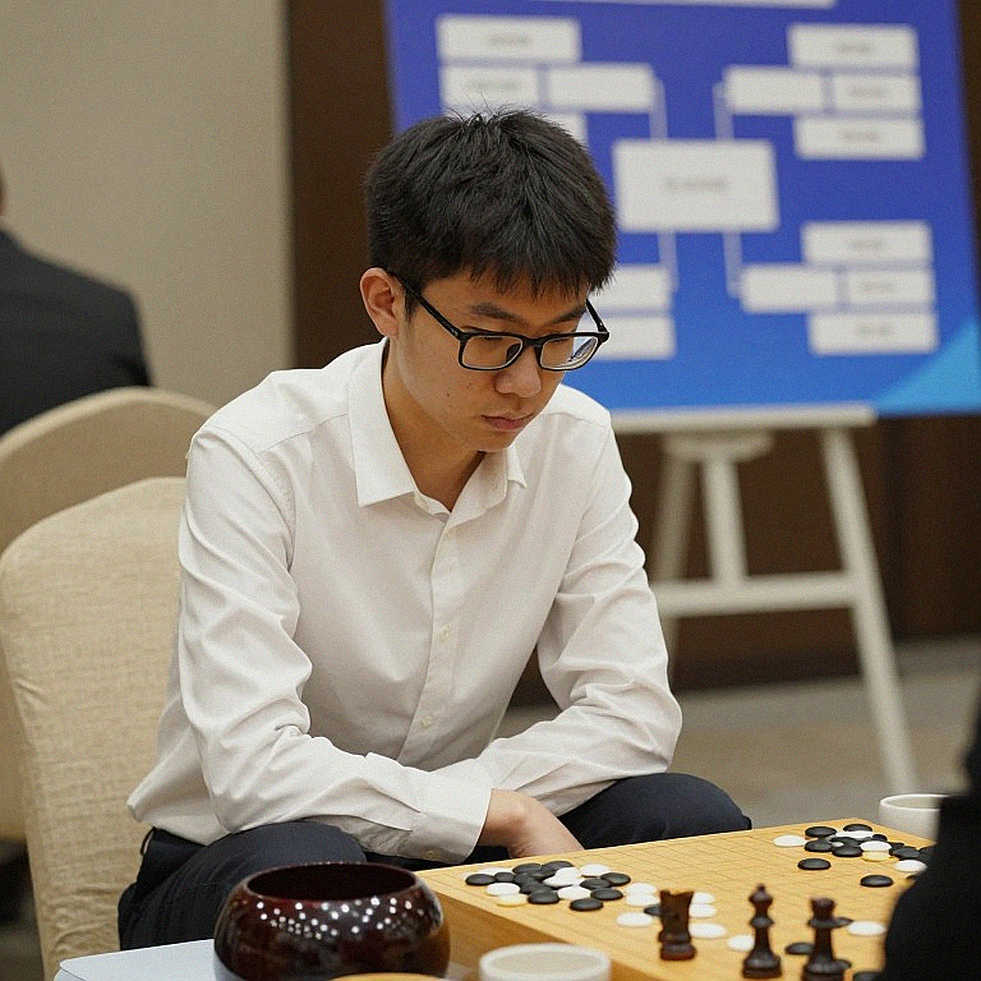
Second, the line about winning faster. That sentence is technically loaded. In classical chess, winning faster usually means steering toward sharper, higher-variance structures and avoiding the long grinds where his historical edge was physical — the five-to-six-hour concentration. The trade is explicit: lower draw probability, higher loss probability. Against a well-prepared opponent that trade only pays if the remaining edge sits in calculation and technique rather than endurance. Carlsen is effectively saying it does. My limitation: there is not one game, not one opening, no sample behind that claim in this interview. I have no way to measure whether the new posture is working. It is an inference, not a data point.
Third, the AI claim. Chess has become more balanced in the engine era. The direction is right, the formulation is not. Engines are two different things that get collapsed into one. There is preparation before the game — hours, seconds, databases, leaked lines. And there is playing strength at the board — calculation, decisions, clock management. Engines flatten the first; they do not flatten the second. An institution that owned ten seconds and a million dollars has lost its edge — true. What happens at the board is another matter: the engine did not equalise anyone there, it handed everyone the same dictionary. The interview merges the two in a single sentence, and the headline picked up the merged version.
Fourth, the part given the least space. Carlsen says that after a decade at the top, maintaining confidence is very difficult, and he does not claim to have improved psychologically. Read that as a load report, not modesty. A player in his twentieth year of elite competition describing the weight is talking about selective engagement, not collapse. Mental wear in chess does not arrive as a sudden slide. It arrives as calendar choices, as skipped events, as distance from the games that pull hardest. That is what is happening in this interview; it is simply phrased philosophically.
Then the structural anomaly the whole piece treats as background: the separation of title and rating. Carlsen gave up the title in 2026 and is still presented as World No. 1. The reigning classical champion is not the strongest player. Put the two numbers from the interview side by side — a title prize of roughly one million dollars, and Carlsen's own figure of twenty million. Neither is verified, but the ratio is clear. The biggest title in chess is priced at one-twentieth of the number its best player puts on his own time — and that gap is between the sport's prestige and its market value, not a story about anyone's greed.
The twenty-million remark is a price signal, not a competitive one. He is naming the number at which the format becomes worth his hours. It is a commercial statement being read as a competitive one.
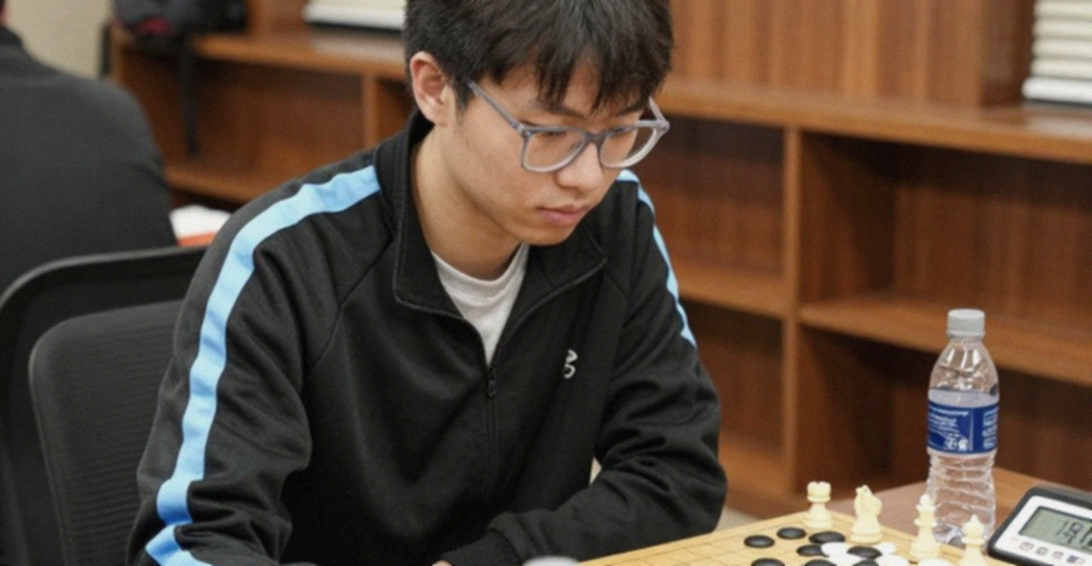
Back to Budapest. Twenty-four players, three formats, first edition. The organiser's language calls them the twenty-four strongest players in the world — that is promotional phrasing, not verified field strength. Sorting what is public from what is not: prize fund undisclosed, second edition undisclosed, format weighting undisclosed, tiebreak rules undisclosed. Four blanks out of four suggest a model that runs on guaranteed appearance fees rather than tickets or broadcast. When Carlsen calls the format worth waiting for, that sentence says more about a contract than about a title.
The mixed format is being sold as the event's strength and I would file it under risk. Combining all three formats rewards the all-rounder, which structurally favours the top seed. But switching between three mental and physical registers across twelve days is itself a skill, and that skill decays faster with age than calculation does. A player who has just told you his stamina is down is not neutral toward that schedule.
One more absence worth naming: no game, no opening, no move-quality figure. This is a low-technical-density piece about a technical subject. The interviewer did not probe specifics, so nobody has the standing to comment on the current quality of Carlsen's opening repertoire from this text. Judging what was not measured breaks my own rule.
The consensus will be that Carlsen has matured, turned philosophical, and is showing humility in the engine age. My chart does not show humility. It shows two colder things.
First, a self-scouting report. A player evaluating his own game and stating plainly where his edge now comes from and where it does not. That is rare in elite interviews, where most players sell a strength narrative. Here someone is handing over a list of weaknesses and, alongside it, the calendar manoeuvre he uses to suppress them.
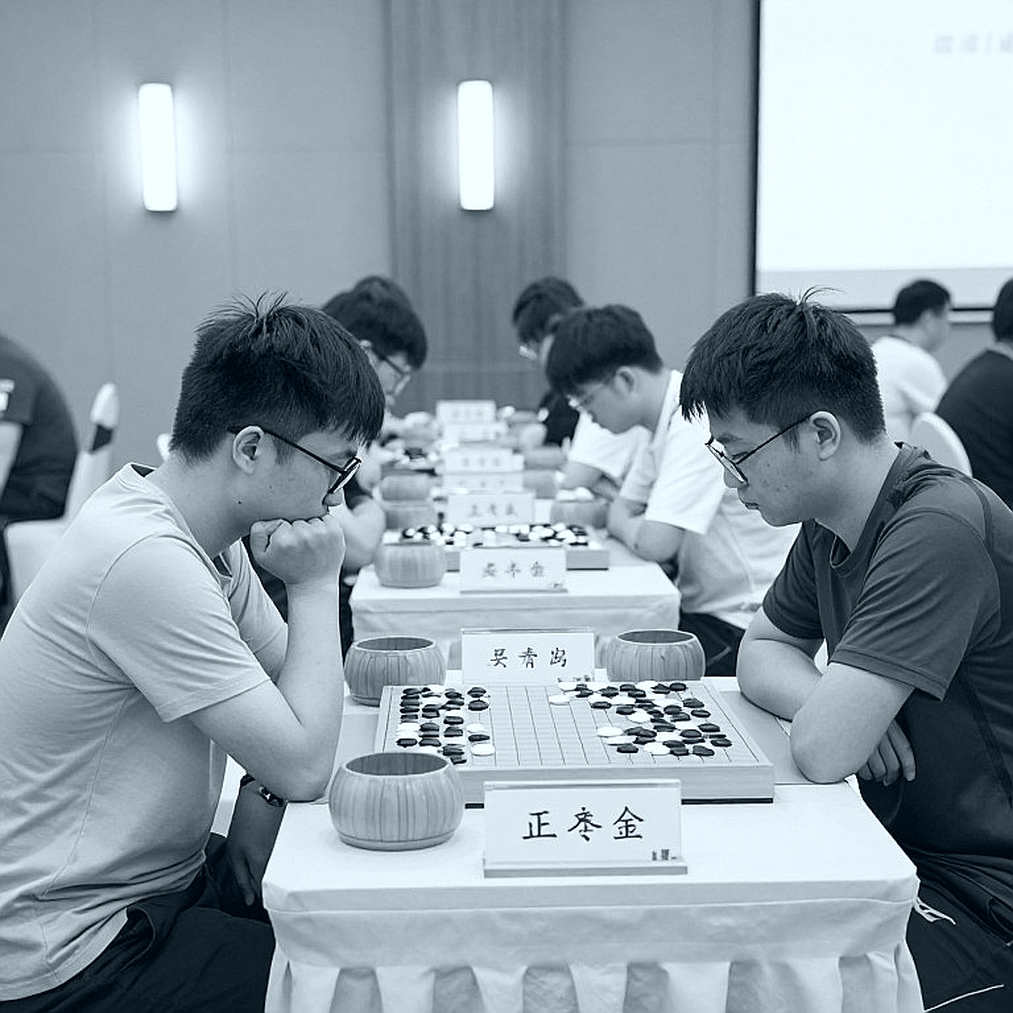
Second, and this is the real media miss: the stamina admission was printed as endearing honesty. I read it as a forecast. Endurance decline shows up first in classical results, not in total activity. Look at his rapid and blitz record and everything will seem fine — because that is the calendar he chose. The real test comes from isolating classical games over a six-to-twelve-month window. That is the chart nobody has built yet.
One caveat, because from Hyderabad I can assemble numbers but I cannot open an organiser's books. The claim about the twenty-four strongest players belongs to the organisers; it is not my verification. If a second edition never arrives, or the prize fund is never disclosed, the event fails as a commercial test case — and Carlsen's worth-waiting-for line will date just as quickly.
There is no need to overturn the consensus entirely. The idea that AI levelled chess is not wrong, only imprecise. Sharpen it rather than reverse it: the preparation edge was flattened, the board was not. That distinction should be the centre of the next argument.
The next chart I build will hold two columns — Carlsen's classical results and his rapid-blitz results — tracked separately for six to twelve months. If the columns diverge, the sentence nobody printed turns out to be the accurate one. If they move together, my forecast was wrong and I will write that down.
Budapest, November 10 to 21. Watch it as a test of whether the sport's commercial tier can hold, not as a competitive benchmark. Any future announcement on the title match prize fund will be the real test of how seriously to take the twenty-million anchor.
The question is not whether Carlsen comes back. It is whether chess's biggest title can set its own price, or whether the price keeps being set by the man who walked away from it.